
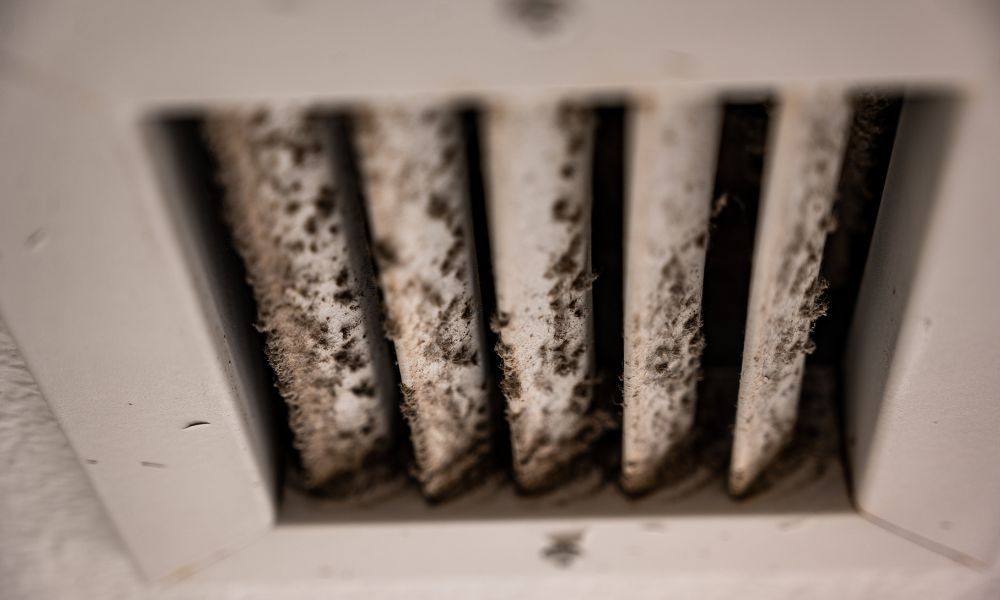
A Homeowner’s Guide: Air Duct Mold Insights for Homes in Pompano Beach
Air duct mold sounds like one of those problems you hope you never have—but many homeowners deal with it without realizing what’s actually happening. The AC blows cold, the house looks clean, and yet musty smells linger or mold keeps popping up in new places. Real inspections inside homes across Pompano Beach show a consistent pattern: air duct mold isn’t random, and it isn’t mysterious. It follows moisture, airflow, and timing.
This guide breaks it all down in plain language—what air duct mold is, why it happens, how it spreads, and what actually stops it.
What Air Duct Mold Really Is
Air duct mold doesn’t float freely in the air waiting to attack. It grows on surfaces inside the HVAC system when conditions allow it.
Inspectors typically find mold on:
- Duct liner insulation
- Metal duct surfaces
- Air handler cabinets
- Evaporator coils
- Drain pans and nearby components
No moisture means no mold. That rule never changes.
Why Pompano Beach Homes Are Especially Vulnerable
Pompano Beach homes deal with a mix of climate and system behavior that gives mold a head start.
Local conditions include:
- High coastal humidity
- Year-round AC usage
- Warm outdoor air meeting cold ducts
- Limited natural drying
- Storm-driven moisture
IMO, many air duct mold problems here don’t start with dirt—they start with condensation.
The Simple Science Behind Air Duct Mold
Mold Needs Three Things—That’s It
Despite the hype, mold growth follows a basic formula.
Mold needs:
- Moisture
- A surface to grow on
- Time
Air ducts already provide surfaces and time. Moisture decides whether mold shows up.
Condensation: The Main Trigger Inside Duct Systems
Cold air flowing through ducts meets warm, humid air outside them. Physics takes over.
Inspectors consistently find condensation:
- Inside insulated ducts
- Near supply vents
- On metal duct surfaces
- Inside air handlers
- Around coils and drain pans
Repeated condensation keeps duct surfaces damp long enough for mold to grow quietly.
Where Air Duct Mold Usually Starts
It Rarely Begins at the Vent Cover
Homeowners often focus on vents, but mold usually starts deeper inside.
Common starting points include:
- Duct liner insulation
- Air handler interiors
- Evaporator coils
- Drain pans
- Low-airflow sections of ductwork
By the time mold appears near a vent, it often spread well beyond that point.
How Mold Spreads Through the Duct System
Air ducts act like highways.
Once mold grows inside the system:
- Airflow lifts spores
- Spores circulate to every room
- Particles settle near vents
- New growth starts where moisture exists
That’s why mold often appears in rooms far from the original source.
Why Mold Keeps Showing Up Near Vents
Vents create the perfect drop zone.
Near vents:
- Temperature changes rapidly
- Condensation forms easily
- Air slows down
- Spores settle onto surfaces
Cleaning vents without fixing duct moisture just resets the cycle.
HVAC Filters: Helpful, But Not a Mold Solution
Filters do an important job—but not this one.
Inspection data often shows:
- Clean filters
- Moldy coils
- Wet drain pans
- Contaminated duct insulation
FYI, filters catch dust. They don’t stop condensation, and condensation feeds mold.
Why Air Duct Cleaning Alone Rarely Works
This is one of the biggest misunderstandings homeowners have.
- Air duct cleaning removes dust and debris
- Mold remediation addresses moisture, contamination, and spread
Cleaning ducts without fixing moisture almost guarantees mold returns.
HVAC Design Issues That Increase Mold Risk
Cooling Fast Doesn’t Mean Drying Well
Many Pompano Beach homes have systems that cool quickly but dehumidify poorly.
Inspectors often link duct mold to:
- Oversized HVAC systems
- Short cycling
- Poor airflow balance
- Inadequate return air
- Improper duct insulation
Cold air plus high humidity equals condensation inside ducts.
Musty Odors: An Early Warning Sign
Musty smells usually show up before visible mold.
Common odor patterns include:
- Smells during AC cycles
- Odors strongest near vents
- Smells after being away from home
- Odors that fade, then return
Odors that come back usually point to active duct or HVAC moisture.
How Air Duct Mold Affects Indoor Air Quality
Once mold enters the duct system, indoor air quality changes quickly.
Inspectors often connect duct mold to:
- Whole-home musty odors
- Allergy symptoms indoors
- Air that feels stale
- Dust returning quickly
- Mold appearing in multiple rooms
Airflow spreads mold far more efficiently than walls ever could.
Why DIY Sprays and Foggers Fail
DIY treatments feel proactive, but inspections usually tell a different story.
DIY methods fail because:
- They don’t reach internal growth
- They don’t fix condensation
- They leave insulation damp
- They can spread spores
Spraying symptoms doesn’t change system behavior.
When Air Duct Mold Becomes a Bigger Problem
Not every case is an emergency, but some deserve prompt attention.
Air duct mold needs action when:
- Mold keeps returning
- Odors persist
- Multiple rooms are affected
- HVAC components show growth
- Indoor air quality declines
Context—not panic—drives decisions.
What Inspections Focus On With Air Duct Mold
Inspections don’t start with fear—they start with moisture behavior.
Inspectors evaluate:
- Indoor humidity
- Condensation patterns
- Duct insulation condition
- Drainage performance
- Airflow balance
- System runtime
Mold always traces back to moisture patterns.
Why Ignoring Air Duct Mold Costs More Later
Early duct mold issues stay manageable. Ignored ones don’t.
Delays often lead to:
- Duct insulation removal
- Air handler remediation
- System-wide contamination
- Higher labor and equipment costs
- Longer disruption
Early action keeps remediation smaller and cheaper.
What Actually Prevents Air Duct Mold
Prevention focuses on conditions—not chemicals.
Effective prevention includes:
- Controlling indoor humidity
- Addressing condensation quickly
- Maintaining proper airflow
- Keeping AC drainage clear
- Fixing insulation issues
- Responding quickly to water events
When ducts stay dry, mold struggles to survive.
Practical Warning Signs Homeowners Miss
Watch for:
- Condensation on vent covers
- Musty smells during cooling
- Rooms that never feel fresh
- Mold returning after cleaning
- Dust reappearing quickly
These signs often point to duct involvement.
Why Pompano Beach Homes Benefit From Early Attention
Homes here face:
- Coastal humidity
- Heavy AC dependence
- Condensation-prone systems
- Storm-related moisture risks
Early inspections keep air duct mold from spreading system-wide.
Final Thoughts: Air Duct Mold Follows Simple Rules
Air duct mold isn’t mysterious or inevitable. Real inspections in Pompano Beach show it follows simple science: moisture plus time plus airflow. When homeowners understand that formula, they stop chasing symptoms and start controlling conditions.
Keep humidity in check, address condensation early, and don’t ignore recurring odors. When ducts stay dry, mold loses its favorite hiding place—and homes stay cleaner, healthier, and far easier to live in 🙂
