
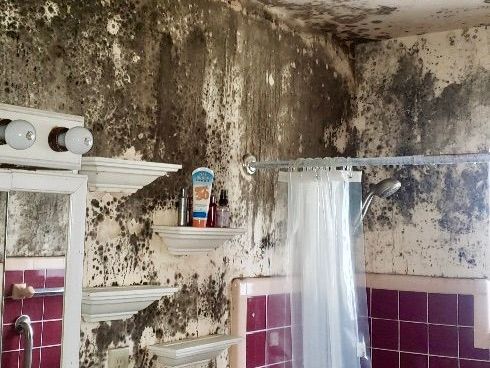
Why Mold Keeps Returning After DIY Cleaning – Real Risks, Not Fear Tactics for Homes in Broward County
If you’ve wiped down a moldy spot, sprayed some bleach, felt proud… and then watched the same fuzzy problem come back like it pays rent—yeah, you’re not imagining things. In Broward County, mold doesn’t just visit. It settles in, unpacks, and waits for humidity season (which, let’s be honest, is most of the year).
This isn’t about scare tactics. It’s about why DIY cleaning usually treats the symptom—not the source.
The Big Lie of “Surface Mold”
Here’s the uncomfortable truth: what you see is rarely the whole problem.
Most DIY cleaning only hits the visible stuff. Mold, meanwhile, loves:
- Drywall backing
- Wood framing
- Insulation
- The inside of HVAC ducts
So while the surface looks clean, the colony underneath is still throwing a party. 🦠
Bleach Doesn’t Do What You Think It Does
Bleach can make stains disappear. That’s it.
On porous materials (drywall, wood, grout), bleach:
- Doesn’t penetrate deeply
- Leaves moisture behind
- Can actually feed mold regrowth
It’s basically cosmetic cleanup with confidence issues.
Humidity: Mold’s Best Friend in Broward County
Even a perfectly cleaned area will grow mold again if moisture sticks around.
Common local culprits:
- High indoor humidity (hello, South Florida)
- AC systems that aren’t draining properly
- Bathrooms without real ventilation
- Small leaks you can’t see… yet
If moisture isn’t controlled, mold is coming back. Period.
DIY Misses Hidden Spread (This Is the Big One)
Mold doesn’t grow politely in one spot. It spreads:
- Behind walls
- Under baseboards
- Through HVAC systems
- Into closets and adjacent rooms
DIY cleaning doesn’t include containment, air filtration, or spore control—so spores float around and re-settle elsewhere. You clean one spot, three more show up later.
Why It Feels Like Mold Is “Stubborn”
It’s not stubborn. It’s untreated.
True mold removal requires:
- Identifying the moisture source
- Containing the affected area
- Removing contaminated materials when needed
- HEPA air filtration to control spores
- Drying the space properly so mold can’t return
Skip any one of those, and you’re stuck in the clean-regrow-repeat cycle.
Real Risks (Without the Drama)
Let’s keep this grounded:
- Recurring mold can worsen allergies and asthma
- Long-term moisture can damage drywall, framing, and flooring
- Ignoring the root cause often leads to bigger repairs later
No fear tactics—just consequences homeowners see every day across Broward County.
When DIY Is Fine (and When It’s Not)
DIY can work if:
- The area is small
- The surface is non-porous
- There’s no ongoing moisture issue
DIY fails when:
- Mold keeps coming back
- You smell mustiness but don’t see mold
- AC vents or ceilings are involved
- Multiple rooms are affected
That’s your sign it’s more than a wipe-down job.
Bottom Line
Mold keeps returning after DIY cleaning because the cause wasn’t fixed—only the evidence was removed.
In Broward County homes, humidity, hidden moisture, and porous materials make mold smarter than most spray bottles. If it keeps coming back, it’s not bad luck. It’s unfinished work.
And no, that’s not fear talking. That’s just how mold operates in South Florida.
