
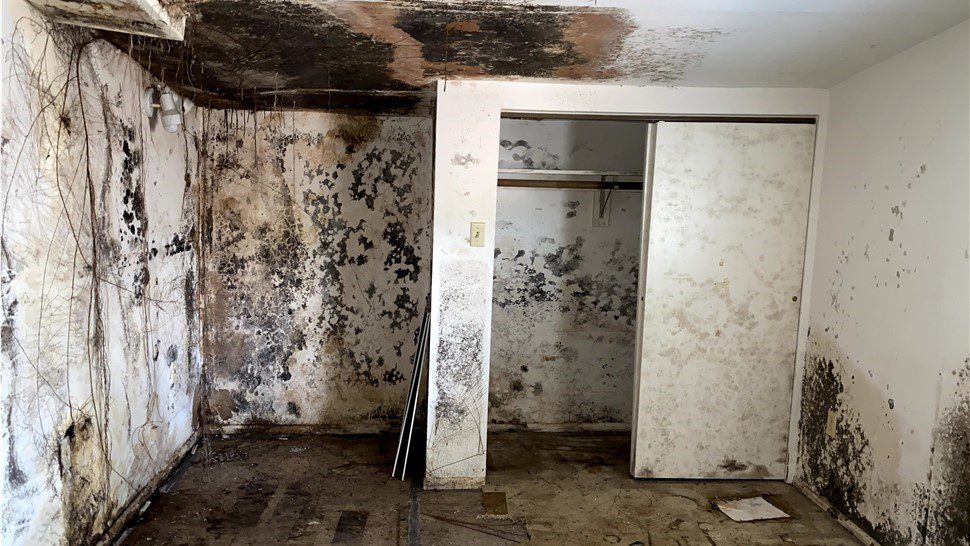
Lessons From Real Inspections: Black Mold Insights for Homes in Lauderhill
When homeowners hear “black mold,” the first reaction is usually panic—or denial. After years of real inspections in Lauderhill homes, the truth sits comfortably in the middle. Black mold isn’t everywhere, it isn’t always toxic doom, but it is something you don’t want ignored.
No fear tactics here—just what inspections actually reveal inside Lauderhill houses.
Where Black Mold Is Really Found (Hint: Not the Obvious Spots)
During inspections, black mold almost never shows up where homeowners expect.
Common real-world locations include:
- Behind bathroom and kitchen walls
- Under AC air handlers and drip pans
- Inside closets on exterior walls
- Around window frames with condensation issues
- Beneath sinks with slow, unnoticed leaks
If moisture sits quietly, black mold doesn’t stay quiet for long.
Why Lauderhill Homes Are a Perfect Match for Black Mold
Black mold doesn’t need neglect—it just needs the right environment. Lauderhill provides that effortlessly.
Inspectors consistently see:
- High indoor humidity year-round
- AC systems running constantly
- Minor plumbing leaks that never fully dry
- Poor airflow in closed-off rooms
Add time, and mold fills the gap.
What Homeowners Usually Miss
One of the biggest inspection takeaways: most homeowners clean what they can see.
What inspections uncover instead:
- Mold growing on the backside of drywall
- Damp insulation feeding ongoing growth
- Mold spores spread through HVAC airflow
- Previous DIY cleaning hiding—not fixing—the problem
Fresh paint and cleaning sprays don’t stop moisture. Mold notices.
Is Black Mold Always Dangerous?
Here’s the honest answer: not always—but sometimes enough to matter.
From inspection follow-ups, homeowners often report:
- Persistent musty odors
- Increased allergy or asthma symptoms
- Irritated eyes or congestion indoors
- Mold returning repeatedly in the same areas
The risk isn’t instant catastrophe. It’s long-term exposure and repeated growth.
Why DIY Cleaning Rarely Solves Black Mold
Inspectors often arrive after DIY attempts failed.
Common reasons:
- Bleach doesn’t penetrate porous materials
- Scrubbing spreads spores into the air
- Moisture sources remain untreated
- Hidden growth continues behind surfaces
DIY cleaning may improve appearances, but inspections tell the real story.
What Actually Stops Black Mold After Inspection
Successful outcomes always follow the same pattern:
- Identifying and fixing the moisture source
- Containing affected areas properly
- Removing contaminated materials when needed
- Controlling airborne spores
- Ensuring proper drying and humidity control
When moisture is handled correctly, black mold doesn’t “come back.”
Lessons That Matter Most
From real inspections in Lauderhill homes, the biggest lesson is simple:
Black mold isn’t random, and it isn’t mysterious. It grows where moisture stays, spreads where airflow allows, and returns when the cause isn’t fixed.
Ignore the noise. Skip the scare tactics. Focus on moisture, inspection, and proper remediation—and black mold loses its advantage every time.
