
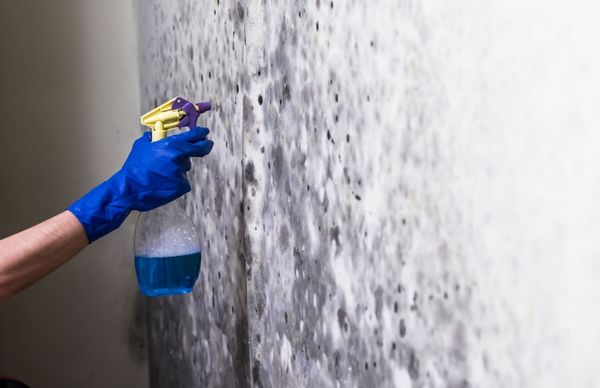
What Most People Get Wrong: Mold Testing Insights for Homes in Coral Springs
Mold testing sounds simple—take a sample, get results, problem solved. In reality, homeowners in Coral Springs often come away more confused than informed. Not because mold testing is useless—but because it’s commonly misunderstood.
Let’s clear up the biggest mistakes people make and explain what mold testing is actually meant to do.
Mistake #1: Thinking Mold Testing Is the First Step
This is the most common misunderstanding.
Many homeowners think mold testing should happen before anything else. In practice, testing works best after a proper inspection.
Why?
- You need to know where to test
- Moisture problems guide testing decisions
- Visual and moisture findings provide context
Testing without inspection is just guessing with lab results.
Mistake #2: Believing Air Tests Always Find Hidden Mold
Air testing has its place—but it’s not foolproof.
What often surprises homeowners:
- Hidden mold may not be releasing spores yet
- Recent cleaning can temporarily lower spore counts
- HVAC systems can dilute or redistribute spores
That’s why professionals rely heavily on moisture readings and building conditions—not air samples alone.
Mistake #3: Assuming Mold Testing Tells You How Dangerous Mold Is
Mold testing identifies types and concentrations, not health outcomes.
What testing can tell you:
- If indoor spore levels are elevated
- Whether indoor air differs from outdoor air
- Possible indicators of hidden growth
What it can’t tell you:
- How your body will react
- Whether symptoms are guaranteed
- The exact health risk for every person
Testing is data—not a medical diagnosis.
Mistake #4: Waiting Until Mold Is Visible
In Coral Springs homes, testing is often most helpful before mold becomes obvious.
Testing makes sense when:
- There’s a musty odor but no visible mold
- Water damage occurred weeks or months ago
- Allergies worsen indoors
- A home is being bought or sold
By the time mold is visible, the problem is usually more established.
Mistake #5: Thinking Testing Fixes the Problem
This one causes real frustration.
Mold testing:
- Does not remove mold
- Does not stop moisture
- Does not prevent regrowth
What it does do is guide decisions—whether remediation is needed, where to focus, and how extensive the issue may be.
What Mold Testing Is Actually For
When used correctly, mold testing helps:
- Confirm suspected mold problems
- Support inspection findings
- Identify possible hidden growth
- Provide documentation when needed
It’s a tool—not the solution itself.
Why Coral Springs Homes Need a Practical Approach
Local inspections consistently reveal:
- High indoor humidity year-round
- AC systems running most of the day
- Condensation inside walls and HVAC systems
- Poor airflow in closets and spare rooms
These conditions explain most mold issues. Testing simply helps confirm what’s already happening.
The Real Takeaway
The biggest thing people get wrong about mold testing is expecting it to be a shortcut.
In Coral Springs homes, effective mold testing works best as part of a bigger picture—inspection, moisture evaluation, and practical next steps. When used properly, it replaces assumptions with facts and helps homeowners move forward calmly and confidently.
No hype. No fear. Just clarity.
