
How Humidity Impacts Indoor Air Quality – What the Data Tells Us for Homes in Hollywood
Humidity doesn’t get the attention it deserves—until indoor air starts feeling heavy, rooms smell musty, or allergies suddenly worsen at home. After reviewing inspection data and real conditions inside houses across Hollywood, one conclusion is consistent: humidity is the single biggest driver of indoor air quality problems in Florida homes.
This isn’t opinion or fear-based advice. It’s what the data—and the houses—keep showing us.
What “Too Much Humidity” Really Means
Humidity becomes a problem when indoor levels stay elevated for long periods.
Data from Florida home inspections consistently shows that when humidity rises:
- Air feels stale and uncomfortable
- Odors linger instead of clearing out
- Mold and bacteria grow more easily
- Dust mites thrive
Even homes that look clean can have poor indoor air quality if moisture isn’t controlled.
The Data Link Between Humidity and Mold
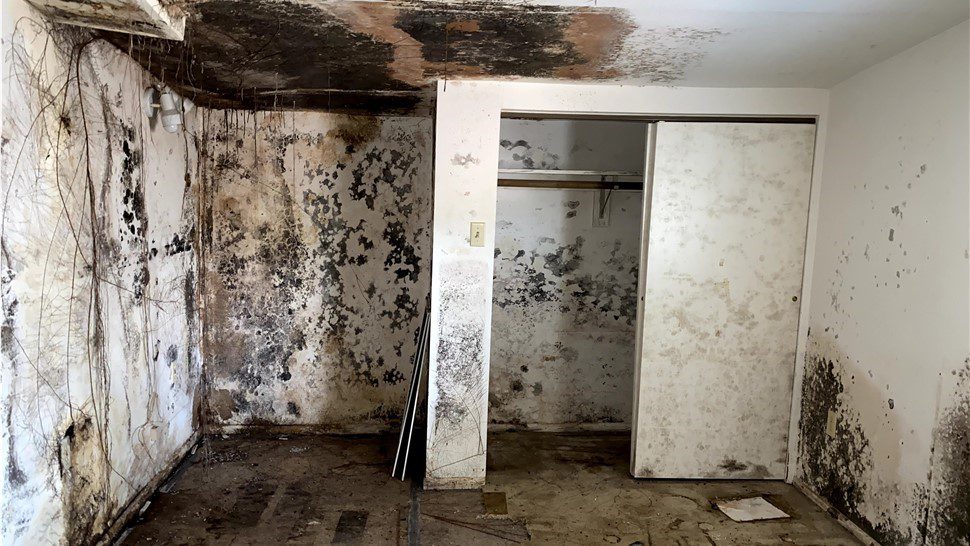
Mold doesn’t need flooding. It needs consistent moisture.
Inspection data shows that homes with recurring mold issues almost always have:
- Elevated indoor humidity
- Condensation on walls, ceilings, or AC components
- Poor airflow in certain rooms
- Moist materials that never fully dry
Humidity doesn’t cause mold instantly—but it creates the conditions mold depends on.
HVAC Systems: Designed to Cool, Not Always to Dehumidify
In Hollywood homes, HVAC systems run almost nonstop—and that matters.
What data reveals:
- Short cycling reduces moisture removal
- Dirty coils limit dehumidification
- Poor airflow leaves humidity trapped in rooms
- Oversized systems cool fast but remove less moisture
So while the house feels cool, humidity quietly stays high.
How High Humidity Affects Indoor Air Quality
Based on inspection findings, elevated humidity leads to:
- Increased mold spores in indoor air
- Stronger musty odors
- More airborne allergens
- Discomfort even at lower temperatures
This is why lowering humidity often improves air quality more than air fresheners or purifiers.
Hidden Moisture = Hidden Air Quality Problems
Data shows indoor air quality issues often originate where homeowners never look:
- Inside walls with condensation
- Behind furniture on exterior walls
- Inside closets with limited airflow
- Around air handlers and ductwork
These areas trap moisture—and release poor air quality throughout the home.
Why Hollywood Homes Are Especially Affected
Homes in Hollywood face unique challenges:
- Coastal humidity levels
- AC systems running nearly year-round
- Condensation from warm outdoor air
- Limited ventilation in older home designs
All of this makes humidity control harder—but more important.
What the Data Says Actually Improves Air Quality
Homes with the best indoor air quality consistently show:
- Stable indoor humidity levels
- Proper AC sizing and airflow
- Clean, well-draining HVAC systems
- Good air movement in all rooms
When humidity drops, mold growth slows, odors fade, and air quality improves naturally.
The Key Takeaway
The data is clear: humidity doesn’t just affect comfort—it directly impacts indoor air quality.
In Hollywood homes, controlling humidity is often the most effective way to improve the air you breathe. Not because it sounds good—but because inspection data, measurements, and real homes keep proving the same point.
Control moisture, and indoor air quality follows.
