
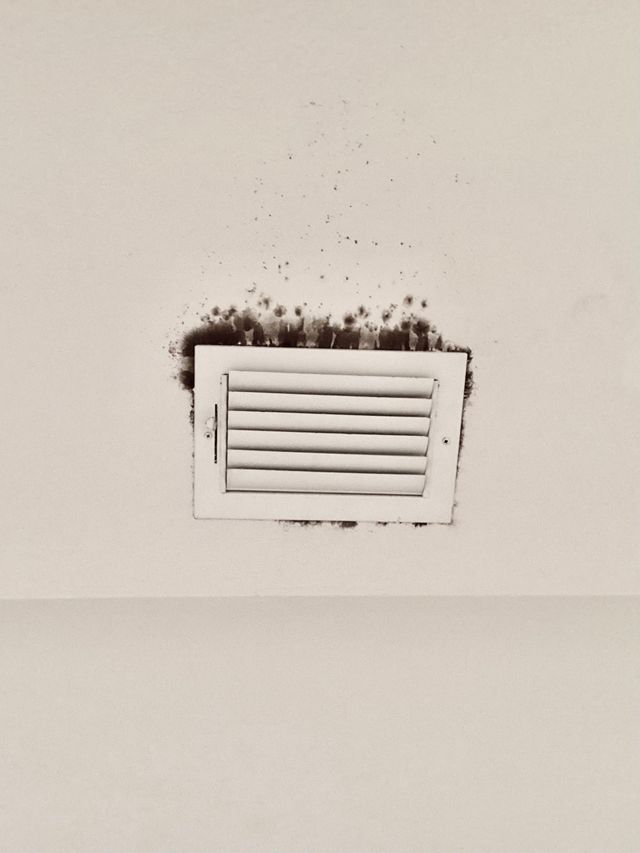
Lessons From Real Inspections: Hidden Mold Insights for Homes in Miramar
Hidden mold is the kind homeowners never expect—because you can’t see it, smell it clearly, or point to one obvious leak. Yet after real inspections inside homes throughout Miramar, it’s one of the most common problems uncovered.
No scare tactics here. Just what inspections actually reveal once walls, systems, and moisture patterns are examined closely.
Where Hidden Mold Is Most Often Found
During inspections, hidden mold rarely shows up where homeowners look first.
The most common locations include:
- Behind drywall and baseboards
- Inside closets on exterior-facing walls
- Beneath sinks with slow or intermittent leaks
- Around HVAC air handlers and inside ductwork
- Behind furniture blocking airflow
These areas stay dark, damp, and undisturbed—exactly what mold prefers.
Why Miramar Homes Are Prone to Hidden Mold
Hidden mold isn’t caused by neglect. It’s usually caused by conditions that don’t feel urgent.
Inspectors in Miramar consistently find:
- High indoor humidity year-round
- AC systems running almost constantly
- Minor plumbing leaks that never fully dry
- Condensation forming inside walls and ceilings
None of these cause immediate damage—but together, they quietly feed mold growth.
What Homeowners Commonly Miss
One of the biggest lessons from inspections is how often mold grows behind clean surfaces.
We regularly uncover:
- Mold on the backside of drywall with no visible staining
- Damp insulation holding moisture long-term
- Mold growth hidden behind freshly painted walls
- DIY cleaning that removed surface signs but not the cause
If moisture stays, mold doesn’t need to be visible to spread.
How Hidden Mold Affects the Home
Even when hidden, mold still impacts living conditions.
Homeowners often report:
- Persistent musty or stale odors
- Allergy or asthma symptoms that worsen indoors
- Mold returning repeatedly in the same areas
- Air that feels heavy or uncomfortable
Hidden mold affects air quality long before it becomes obvious.
Why DIY Cleaning Rarely Solves Hidden Mold
DIY cleaning focuses on what you can see. Hidden mold lives where you can’t reach.
Inspections show DIY efforts fail because:
- Bleach doesn’t penetrate porous materials
- Scrubbing spreads spores into the air
- Moisture sources remain active
- Growth continues behind walls and insulation
Temporary improvement is common. Permanent resolution is not.
What Actually Stops Hidden Mold
From real inspection outcomes, successful solutions always include:
- Identifying and correcting moisture sources
- Using proper containment during removal
- Removing contaminated materials when necessary
- Controlling airborne spores
- Drying the environment thoroughly
Once moisture is controlled, hidden mold loses its advantage.
When to Suspect Hidden Mold
Miramar homeowners often schedule inspections when:
- Mold keeps coming back after cleaning
- There’s a musty smell but nothing visible
- Water damage happened months ago
- Allergies worsen only at home
- Buying or selling a property
These are classic signs inspections take seriously.
The Biggest Lesson From Real Inspections
Hidden mold isn’t random—and it’s rarely sudden.
In Miramar homes, it grows where moisture lingers, spreads where airflow allows, and stays hidden until conditions force it into view. The key isn’t panic—it’s inspection, moisture control, and proper remediation.
That’s not fear-based advice. That’s what real homes keep teaching us.
