
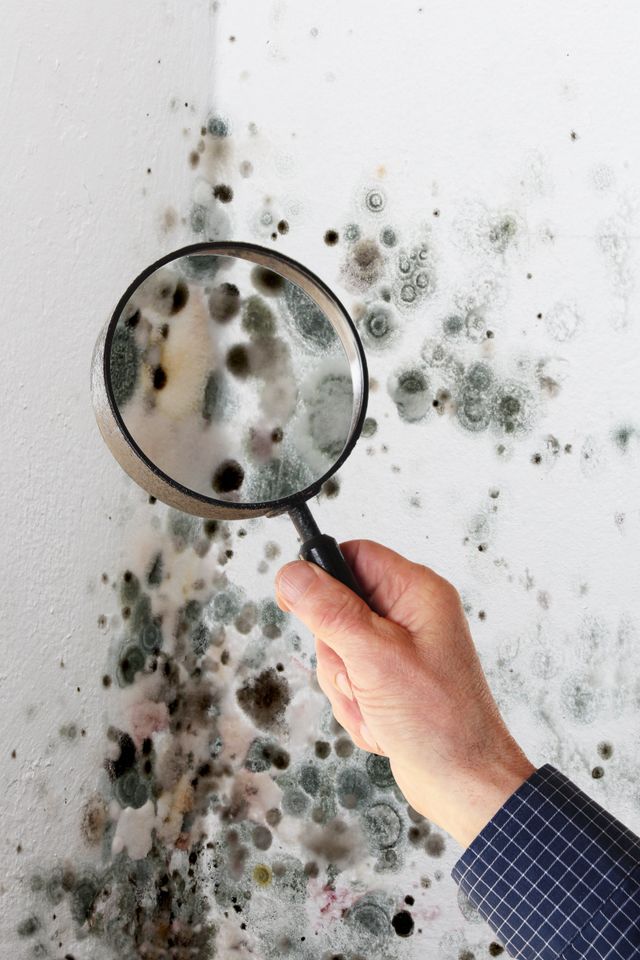
Practical Advice From Experts: Mold Testing Insights for Homes in Broward County
Mold testing is one of the most misunderstood parts of dealing with mold. Some homeowners expect it to be a crystal ball. Others avoid it entirely, worried it will automatically lead to expensive work. After real inspections across Broward County, experts see the same issues come up again and again—and most of them are about how mold testing is used, not whether it works.
This is practical, no-nonsense advice based on what actually helps homeowners.
What Mold Testing Is Meant to Do
Mold testing isn’t designed to scare you or diagnose health problems. Its real purpose is to support an inspection, not replace one.
Used correctly, mold testing helps:
- Confirm whether mold is actively present
- Indicate possible hidden growth
- Compare indoor air to outdoor conditions
- Provide documentation when needed
Testing works best when it answers a specific question, not when it’s done blindly.
Why Mold Testing Should Follow an Inspection
One of the biggest mistakes is testing without first inspecting the home.
Experts inspect first to:
- Identify moisture sources
- Pinpoint high-risk areas
- Decide where testing makes sense
- Avoid unnecessary or misleading samples
Without inspection context, test results often confuse more than they help.
Air Testing vs Surface Testing (What People Mix Up)
Not all mold testing is the same.
- Air testing shows what’s airborne at that moment
- Surface testing confirms what’s growing on a specific material
In Broward County homes, air tests can look “normal” even when hidden mold exists—especially if growth is behind walls or hasn’t released many spores yet.
Why Test Results Don’t Always Match Symptoms
This surprises many homeowners.
Experts often see:
- Normal air samples in homes with hidden moisture
- Elevated spores after recent disturbance or cleaning
- Fluctuating results based on HVAC operation
That’s why moisture readings and inspection findings matter just as much as lab numbers.
When Mold Testing Actually Makes Sense
Mold testing is most useful when:
- There’s a musty odor but no visible mold
- Mold keeps returning after cleaning
- Water damage occurred in the past
- Buying or selling a home
- Documentation is required for insurance or records
In these cases, testing adds clarity—not guesswork.
When Mold Testing Is Often Unnecessary
Experts may recommend skipping testing when:
- Visible mold is already confirmed
- Moisture problems are obvious
- Remediation is clearly needed regardless of test results
In these situations, fixing the moisture and affected materials matters more than lab confirmation.
Why Broward County Homes Need a Smart Approach
Local conditions shape how mold behaves here:
- High humidity most of the year
- AC systems running nearly nonstop
- Condensation inside walls and HVAC systems
- Poor airflow in closets and spare rooms
Mold testing in Broward County works best when it’s targeted—not routine or automatic.
What Mold Testing Doesn’t Do
To avoid frustration, it’s important to know the limits.
Mold testing does not:
- Remove mold
- Fix moisture problems
- Predict individual health outcomes
- Guarantee mold won’t return
It’s a decision-making tool—not a solution by itself.
Practical Takeaway
The biggest mistake homeowners make with mold testing is expecting it to do everything.
In Broward County homes, the most effective approach is inspection first, targeted testing second, and moisture control always. When mold testing is used properly, it replaces assumptions with information and helps homeowners make calm, informed decisions—without fear or pressure.
That’s practical advice. And that’s what actually works.
