
The Science Explained Simply: Mold Inspection Insights for Homes in Oakland Park
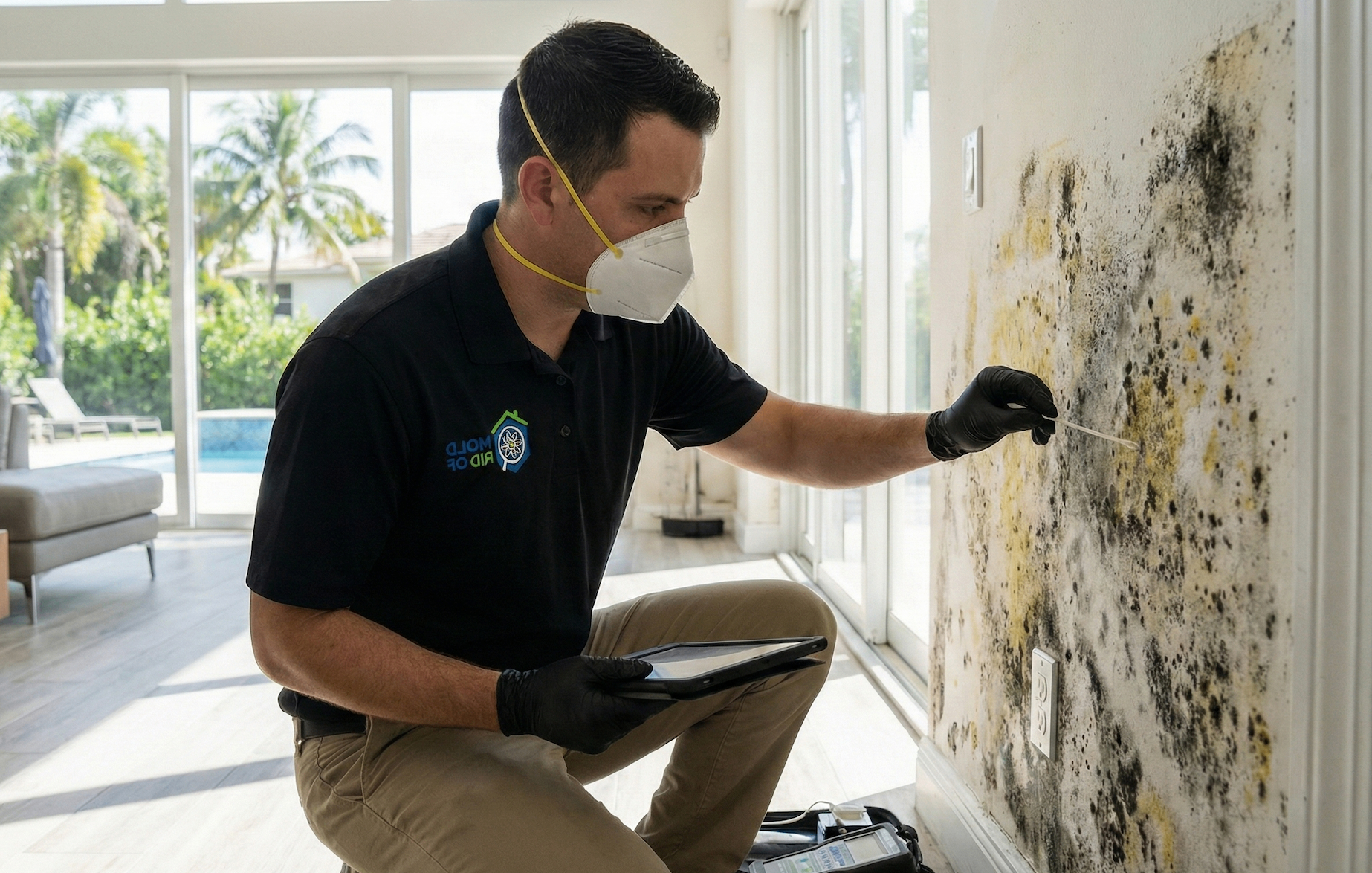
Mold inspections can sound technical and intimidating—but the science behind them is actually pretty simple. After real inspections inside homes across Oakland Park, one thing becomes clear: mold problems aren’t mysterious, and inspections aren’t guesswork. They’re about understanding moisture, materials, and airflow.
Let’s break it down in plain language—no fear tactics, no lab-coat talk.
Mold Is a Moisture Problem First
Here’s the core science: mold only grows when moisture sticks around.
Mold needs:
- Moisture
- A food source (drywall paper, wood, dust)
- Time
Oakland Park homes provide the food automatically. Inspections focus on finding where moisture is coming from and why it isn’t drying.
Why You Can’t Rely on What You See
Mold doesn’t grow for visibility—it grows for comfort.
During inspections, experts often find mold:
- Behind drywall and baseboards
- Inside closets on exterior walls
- Under sinks with slow leaks
- Around HVAC air handlers and drain pans
The science is simple: dark, damp, undisturbed areas stay moist longer—so mold grows there first.
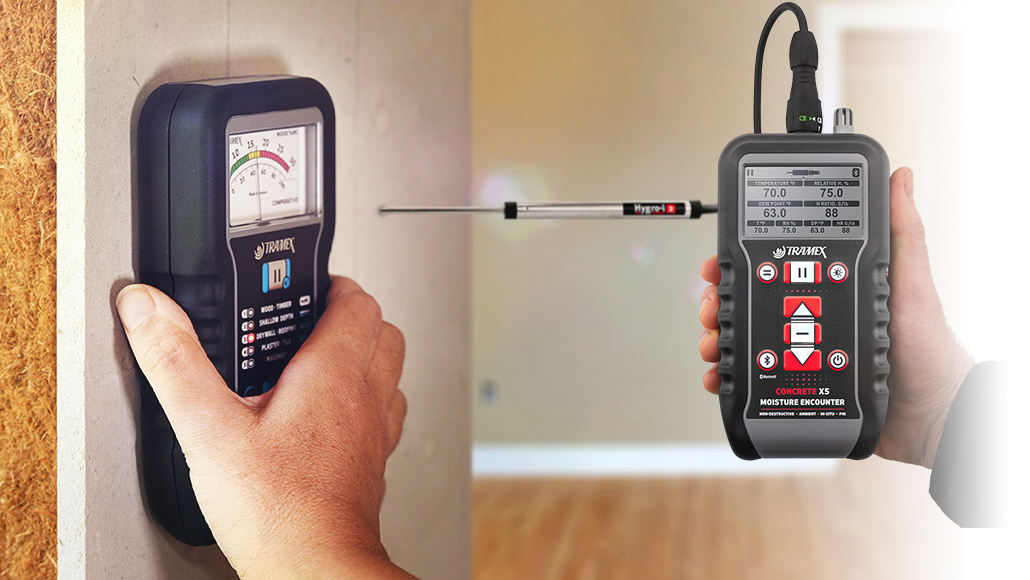
What Moisture Meters Actually Tell Inspectors
Moisture meters are one of the most important inspection tools.
They help inspectors:
- Detect moisture inside walls and ceilings
- Identify condensation problems
- Confirm whether materials are drying properly
- Explain why mold keeps returning
If moisture readings are high, mold growth makes sense. If they’re normal, mold usually isn’t active.
Why HVAC Systems Matter So Much
Air conditioning plays a huge role in mold science in Florida homes.
Inspections in Oakland Park often reveal:
- Condensation around coils and drain pans
- Clogged or poorly draining AC lines
- Moisture inside ductwork
- Systems cooling air faster than they remove humidity
Cool air doesn’t stop mold. Dry air does.
How Mold Spreads (Without Being Dramatic)
Mold spreads through microscopic spores that move with air.
Scientifically speaking:
- Mold grows in one damp area
- Spores become airborne when disturbed or circulated
- HVAC airflow distributes them
- Mold grows again where moisture exists
That’s why inspections look at patterns, not just spots.
Where Mold Testing Fits Into the Science
Mold testing isn’t magic—it’s data.
Used correctly, testing helps:
- Confirm whether spores are elevated
- Support inspection findings
- Compare indoor and outdoor conditions
But testing alone doesn’t explain why mold is there. Moisture science does.
Why Oakland Park Homes See Repeat Issues
Inspection data consistently shows:
- High indoor humidity most of the year
- AC systems running nearly nonstop
- Condensation inside walls and HVAC systems
- Poor airflow in closets and spare rooms
None of this is unusual. It’s just physics and climate doing their thing.
What a Mold Inspection Actually Does
At its core, a mold inspection answers three scientific questions:
- Where is moisture present?
- Why is it staying there?
- What conditions allow mold to grow?
Once those are answered, solutions become straightforward.
The Simple Takeaway
Mold inspections aren’t about hunting mold—they’re about understanding moisture.
In Oakland Park homes, the science is clear: control moisture, improve airflow, and mold stops growing. A proper inspection replaces fear with facts and turns a confusing problem into a solvable one.
That’s the science—explained simply, and backed by what real homes keep showing us.
