
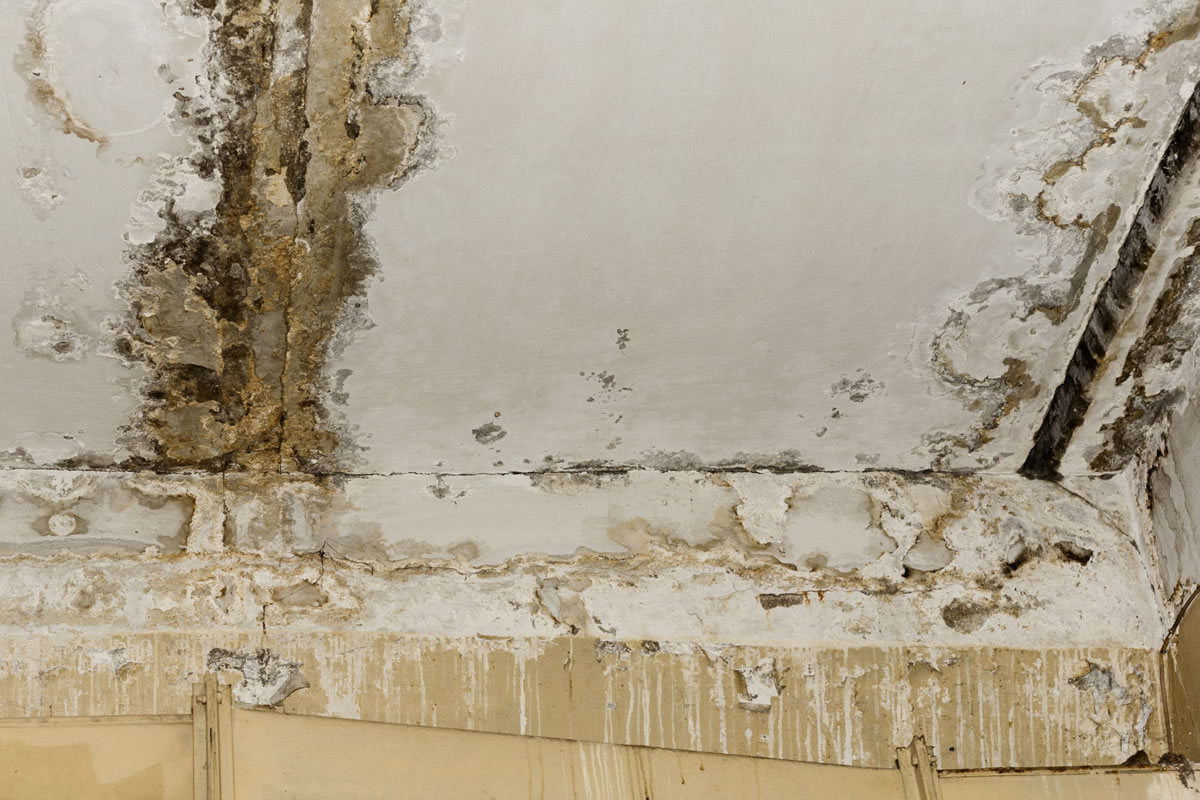
How Water Damage Turns Into Mold Problems – What the Data Tells Us for Homes in South Florida
Water damage doesn’t usually look like a disaster movie scene. Most of the time, it’s subtle—a small leak, a damp wall, a slow AC issue. But inspection data from homes across South Florida shows a clear pattern: when moisture isn’t fully dried, mold almost always follows.
This isn’t speculation or scare talk. It’s what measurements, moisture readings, and real homes consistently show.
Water Damage Is Often Invisible at First
One of the biggest data-backed findings is how often water damage goes unnoticed.
Inspections frequently trace mold growth back to:
- Slow plumbing leaks behind walls
- AC condensation and drain line issues
- Roof or window leaks that don’t drip indoors
- Flooding or spills that “seemed dry” afterward
By the time mold appears, moisture has usually been present for weeks—or longer.
The Drying Timeline Matters More Than the Leak
Here’s the science most homeowners don’t hear:
Mold can begin growing within 24–48 hours if materials stay damp.
Inspection data shows mold problems are most likely when:
- Drywall or insulation stays wet beyond two days
- Humidity remains elevated after a water event
- Airflow is limited during drying
- Materials are covered or sealed too soon
It’s not the size of the water event—it’s how long moisture stays trapped.
Why “It Dried on Its Own” Often Isn’t True
Surface drying is misleading.
Moisture meter readings in South Florida homes regularly show:
- Dry surfaces with wet drywall cores
- Dry floors with damp subflooring
- No visible water, but elevated moisture inside walls
Warm, humid air slows evaporation and traps moisture where you can’t see it.
Humidity Turns Small Leaks Into Big Problems
Data consistently links mold growth to combined moisture sources.
In South Florida, water damage is amplified by:
- High outdoor humidity entering the home
- AC systems running nonstop
- Condensation forming on cool surfaces
- Poor airflow in closets and spare rooms
Even minor water damage can become a mold problem when humidity stays high.
How Mold Spreads After Water Damage
Once mold begins growing, data shows it rarely stays contained.
What inspectors commonly observe:
- Mold growth starting in one damp area
- Spores spreading through air movement
- Mold appearing later in nearby rooms
- Repeat growth after surface cleaning
This is why mold often seems to “spread on its own” after water damage.
Why DIY Drying Often Falls Short
Fans and towels help—but they rarely solve the whole problem.
Inspection findings show DIY drying often fails because:
- Moisture remains inside walls or insulation
- No measurements confirm materials are dry
- Humidity isn’t controlled during drying
- A hidden leak continues feeding moisture
Without verification, drying is often incomplete.
What the Data Says Prevents Mold After Water Damage
Homes that avoid mold problems after water events usually have one thing in common: proper drying and verification.
Effective prevention includes:
- Identifying and stopping the moisture source
- Actively drying affected materials
- Measuring moisture until levels normalize
- Controlling indoor humidity during drying
- Removing materials that can’t be dried
When moisture is truly eliminated, mold doesn’t get a chance to start.
Why South Florida Homes Need Extra Attention
Inspection data makes one thing clear: South Florida homes don’t get much margin for error.
With:
- Year-round humidity
- Constant AC use
- Condensation inside walls and systems
Moisture problems escalate faster here than in drier climates.
The Data-Backed Takeaway
Water damage doesn’t turn into mold because homeowners ignore it—it turns into mold because moisture stays where it shouldn’t.
In South Florida homes, the data is consistent: drying thoroughly, verifying moisture levels, and controlling humidity are what separate a minor water issue from a major mold problem.
No fear tactics. Just physics, moisture, and what real homes keep proving every day.
