
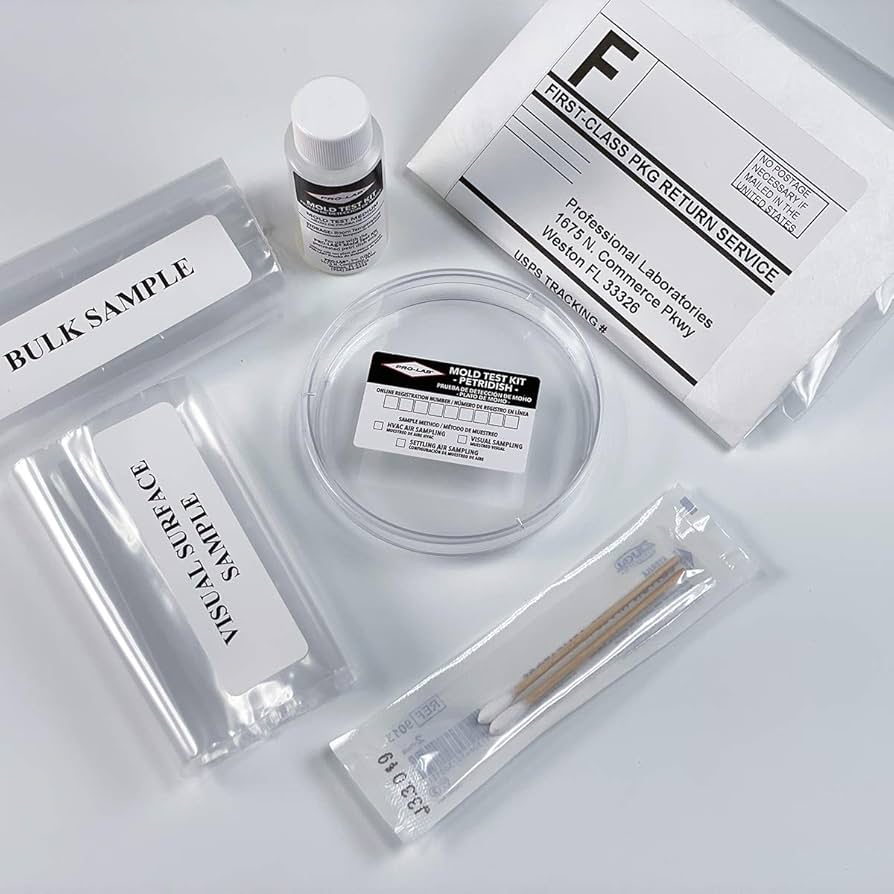
Lessons From Real Inspections: Mold Testing Insights for Homes in Pembroke Pines
Mold testing often feels like it should give a clear, instant answer. In reality, after real inspections inside homes throughout Pembroke Pines, the biggest lesson is this: mold testing only works when it’s used at the right time and for the right reason.
Here’s what real inspections keep teaching homeowners—without fear tactics or exaggeration.
Lesson #1: Mold Testing Is Not the First Step
One of the most common mistakes inspectors see is testing before inspecting.
In Pembroke Pines homes, effective inspections always come first to:
- Identify moisture sources
- Locate high-risk areas
- Understand HVAC and airflow conditions
- Decide where testing will actually be useful
Testing without this context often creates confusion instead of clarity.
Lesson #2: “Normal” Results Don’t Always Mean “No Mold”
This surprises many homeowners.
From real inspections, experts often find:
- Hidden mold behind drywall with normal air samples
- Mold sealed inside walls that hasn’t gone airborne
- Lower spore counts after recent cleaning or painting
Mold testing reflects conditions at that moment, not everything growing out of sight.
Lesson #3: Air Tests and Surface Tests Do Different Jobs
Another lesson inspections reinforce: not all mold tests answer the same question.
- Air testing measures what’s airborne right now
- Surface testing confirms what’s growing on a specific material
Neither replaces moisture readings, and neither explains why mold is present.
Lesson #4: Moisture Data Explains the Test Results
In real inspections, moisture readings are often more valuable than lab numbers.
Inspectors rely on:
- Moisture meters inside walls and ceilings
- Condensation checks near AC systems
- Humidity readings in problem rooms
High moisture almost always explains repeat mold—even when test results look mild.
Lesson #5: Mold Testing Doesn’t Fix the Problem
This is a big expectation gap.
Mold testing:
- Does not remove mold
- Does not stop moisture
- Does not prevent regrowth
What it does do is guide decisions—whether remediation is needed, where to focus, and how extensive the issue may be.
Lesson #6: Early Testing Usually Saves Money
From inspection outcomes in Pembroke Pines, early testing often leads to:
- Smaller affected areas
- Less invasive remediation
- Fewer materials needing removal
- Lower overall repair costs
Waiting until mold is visible usually means the problem has already spread.
Why Pembroke Pines Homes Need a Practical Approach
Inspection patterns in the area consistently show:
- High indoor humidity year-round
- AC systems running almost nonstop
- Condensation inside walls and HVAC systems
- Poor airflow in closets and spare rooms
These conditions explain most mold issues. Testing simply helps confirm what inspections already suggest.
When Mold Testing Makes the Most Sense
Experts typically recommend testing when:
- Mold keeps returning after cleaning
- There’s a musty odor with no visible source
- Water damage occurred in the past
- Buying or selling a home
- Documentation is required
In these cases, testing adds clarity—not stress.
The Real Lesson From Inspections
The biggest takeaway from real inspections in Pembroke Pines is simple:
Mold testing is a tool, not a shortcut.
When combined with proper inspection and moisture evaluation, it helps homeowners make informed decisions and avoid bigger problems later. When used alone, it often creates more questions than answers.
Context matters—and real inspections prove that every time.
