
Indoor Air Quality Issues in Florida Homes – Practical Advice From Experts for Homes in South Florida
Indoor air quality problems in South Florida rarely come from one dramatic issue. What experts see instead are small, ongoing conditions—humidity, moisture, and HVAC problems—that quietly add up. Homes can look spotless and still have air that feels heavy, smells musty, or triggers allergies.
Here’s practical, experience-based advice drawn from real inspections—not fear tactics.
Humidity Is the Biggest Air Quality Driver
If there’s one factor experts watch first, it’s humidity.
When indoor humidity stays elevated:
- Mold and bacteria grow more easily
- Dust mites thrive
- Odors linger instead of clearing out
- Air feels stale even when the home is cool
In South Florida, outdoor humidity is high year-round, which means indoor control—not temperature alone—matters most.
Why “Cold Air” Doesn’t Equal “Clean Air”
A common misconception is that air conditioning automatically improves air quality.
In reality, experts often find:
- AC systems cooling quickly but removing little moisture
- Dirty coils limiting dehumidification
- Short cycling that traps humidity indoors
- Poor airflow in certain rooms
A home can feel cool and still have poor air quality if moisture isn’t being removed effectively.
HVAC Systems: Part Solution, Part Problem
HVAC systems are meant to help—but when moisture builds up, they can spread problems.
What inspections commonly uncover:
- Mold or microbial growth inside air handlers
- Moisture in drain pans or clogged condensate lines
- Contaminants circulating through ductwork
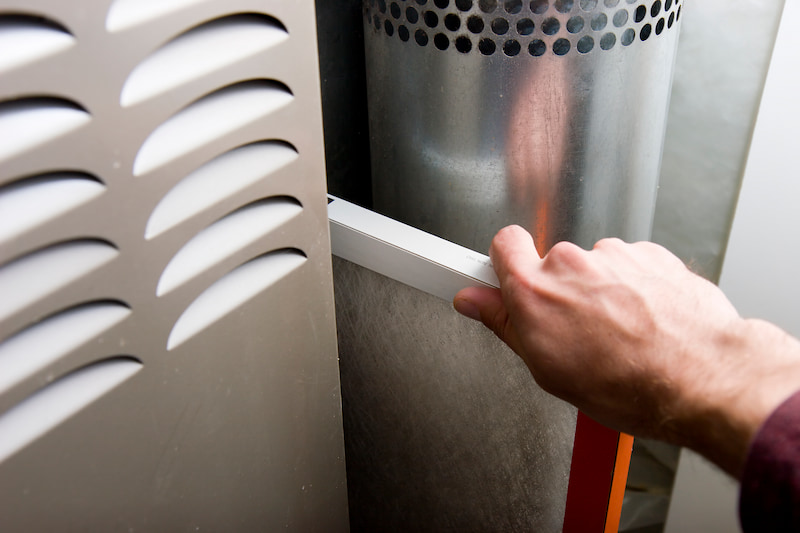
- Filters restricting airflow when not changed regularly
If moisture lives inside the system, air quality usually suffers throughout the home.
Hidden Mold Plays a Bigger Role Than People Think
Poor air quality often starts where homeowners never look.
Experts frequently find hidden mold:
- Behind drywall and baseboards
- Inside closets on exterior walls
- Under sinks with slow leaks
- Inside duct insulation
Even small hidden areas can affect air quality far beyond their size.
Odors Are Clues, Not the Whole Story
Musty smells get attention—but the absence of odor doesn’t guarantee clean air.
Experts see many homes with:
- Mold sealed behind walls with little smell
- Moist materials affecting air quality silently
- Symptoms appearing before odors
Smell is a signal—but not a reliable measurement.
Why Air Purifiers Aren’t a Complete Fix
Air purifiers can help capture particles, but experts warn against relying on them alone.
Purifiers don’t:
- Lower humidity
- Stop mold growth
- Fix HVAC moisture issues
- Correct poor airflow
Without moisture control, purifiers offer short-term relief at best.
What Actually Improves Indoor Air Quality Long-Term
From real South Florida homes, lasting improvements usually include:
- Consistent humidity control
- Properly draining and clean HVAC systems
- Addressing hidden moisture and mold
- Improving airflow in closed-off rooms
- Regular filter changes and maintenance
When moisture and airflow are corrected, air quality improves naturally—and stays that way.
Why South Florida Homes Need a Targeted Approach
Local conditions make indoor air quality challenges more persistent:
- High humidity almost all year
- AC systems running most of the day
- Condensation inside walls and HVAC components
- Limited ventilation in older homes
That’s why surface-level fixes rarely last here.
Practical Takeaway
The biggest mistake homeowners make with indoor air quality is treating symptoms instead of conditions.
In South Florida homes, humidity control, moisture management, and HVAC health matter far more than sprays, gadgets, or quick fixes. Fix the environment, and the air follows.
That’s not theory—that’s what real inspections keep confirming, home after home.
