
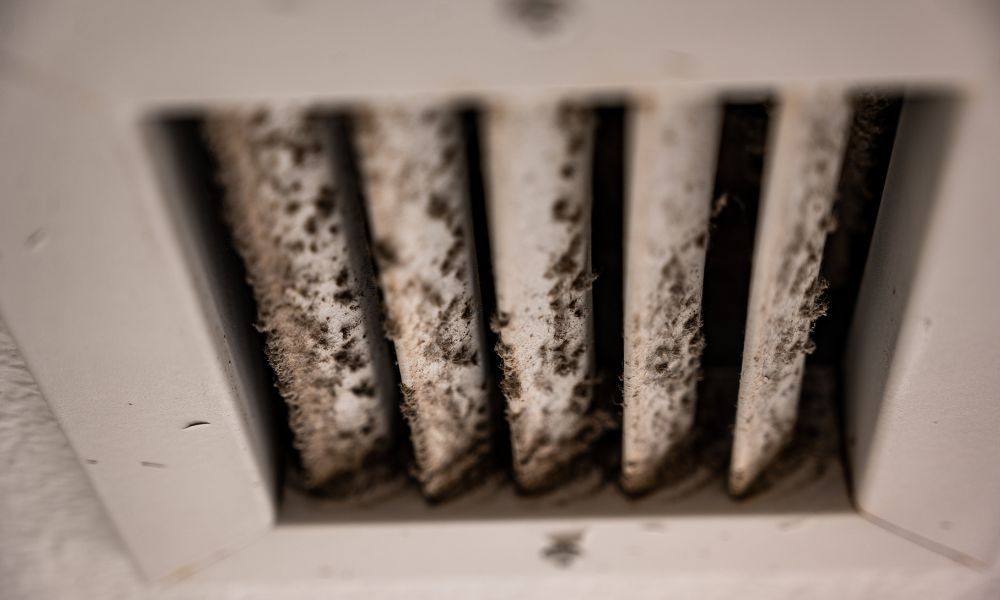
How Mold Spreads Through HVAC Systems – Practical Advice From Experts for Homes in Oakland Park
If mold shows up in one room and then quietly appears somewhere else, the HVAC system is often the missing link. After real inspections in homes throughout Oakland Park, experts see the same pattern repeat: the system didn’t create the mold—but it helped move it.
No scare tactics here. Just practical advice based on how HVAC systems actually behave in Oakland Park homes.
Why HVAC Systems Are Perfect Mold Movers
HVAC systems are designed to circulate air. Mold spores are microscopic. You can see where this is going.
Inside many systems, experts routinely find:
- Condensation from warm, humid air hitting cold coils
- Dark, enclosed spaces that stay damp
- Dust and debris that mold feeds on
Once mold grows in any part of the system, airflow does the rest of the work.
The Air Handler Is Often Ground Zero
In Oakland Park homes, inspections frequently trace mold spread back to the air handler.
Common findings include:
- Standing water in drain pans
- Clogged or slow condensate lines
- Dirty evaporator coils holding moisture
- Systems running most of the day due to humidity
This creates a quiet, ideal environment for mold growth—usually out of sight.
Ductwork Spreads Mold More Than It Grows It
A common misconception is that mold has to grow everywhere to cause problems everywhere. It doesn’t.
What experts actually observe:
- Mold grows in one damp section of the system
- Spores release into the airflow
- Ducts distribute spores throughout the home
- Mold appears later where moisture already exists
That’s why mold can show up in bedrooms, closets, or ceilings far from the original source.
Why Vent Cleaning Alone Doesn’t Fix HVAC Mold
Cleaning vent covers makes things look better—but it rarely solves the problem.
Vent-only cleaning usually misses:
- Mold deeper inside duct runs
- Contaminated insulation lining ducts
- Moisture issues causing the growth
- Spores already circulating through the system
As long as moisture remains, mold keeps spreading.
Real Risks (Without the Drama)
From real inspections in Oakland Park homes, HVAC-related mold is linked to:
- Persistent musty odors
- Mold returning after repeated cleaning
- Worsening allergy or asthma symptoms
- Hidden contamination inside ductwork or air handlers
These issues build gradually, which is why they’re often overlooked early.
Why Oakland Park Homes Are Especially Vulnerable
Local conditions stack the odds:
- High indoor humidity most of the year
- AC systems running nearly nonstop
- Older ductwork with internal insulation
- Drainage or airflow design issues
Mold doesn’t need flooding—just moisture that never fully dries.
What Actually Stops Mold From Spreading Through HVAC
Long-term solutions focus on the system, not just the symptoms:
- Inspecting air handlers and duct interiors
- Correcting condensation and drainage problems
- Cleaning or removing contaminated duct materials
- Using proper containment and HEPA filtration
- Maintaining healthy indoor humidity levels
Once moisture and spores are controlled, mold stops traveling.
Practical Takeaway
Mold spreads through HVAC systems because airflow and moisture work together.
In Oakland Park homes, the HVAC system is often the delivery system—not the original cause. Cleaning vents alone won’t stop that. Fixing moisture and contamination inside the system will.
That’s practical advice from experts—and it’s what actually keeps mold from making the rounds again.
