
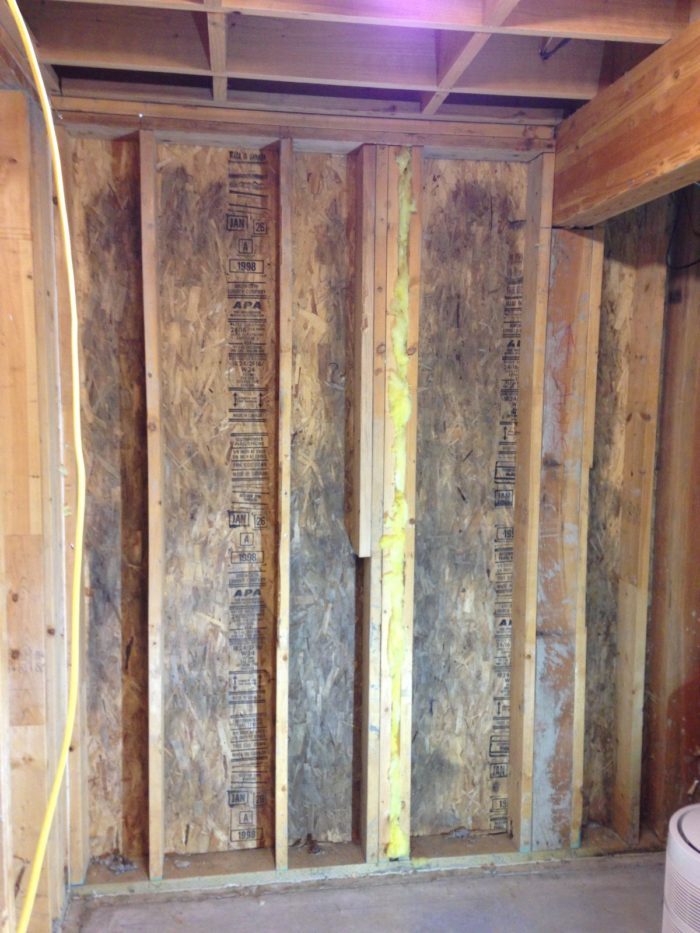
Moisture Problems Most Homeowners Miss – What the Data Tells Us for Homes in Plantation
Most moisture problems don’t look like leaks. There’s no dripping ceiling, no soaked carpet—just conditions quietly doing damage over time. After reviewing inspection data and real measurements inside homes across Plantation, one thing stands out clearly: the most expensive moisture problems are usually the ones homeowners never see.
This isn’t guesswork. It’s what the data—and the houses—keep showing us.
Moisture Can Be Present Even When Everything Looks Dry
One of the most surprising data points from inspections is how often materials test wet while surfaces look normal.
Moisture readings frequently reveal:
- Dry-looking drywall with elevated internal moisture
- Walls that feel solid but hold damp insulation
- Ceilings with no stains but measurable condensation
In Plantation’s humid climate, moisture can stay trapped inside materials long after the surface appears dry.
Condensation Is a Bigger Problem Than Leaks
Leaks get attention. Condensation usually doesn’t—and that’s a mistake.
Inspection data shows condensation-related moisture commonly forms:
- Inside exterior walls
- Around AC vents and supply lines
- On the backside of drywall
- Near air handlers and drain pans
Because condensation doesn’t drip, it often goes unnoticed while feeding long-term moisture problems.
HVAC Systems Are a Major Moisture Source
Data from Plantation homes consistently points back to HVAC systems.
Common findings include:
- Standing water in drain pans
- Slow or partially clogged condensate lines
- Dirty coils reducing moisture removal
- Systems cooling air faster than they dehumidify
Even when the AC “works,” it can still leave excess moisture behind.
Closets and Spare Rooms Hold Moisture the Longest
Rooms with limited airflow show up repeatedly in moisture data.
Inspectors often record higher moisture levels in:
- Closets on exterior walls
- Guest bedrooms with closed doors
- Storage rooms with little ventilation
- Corners blocked by furniture
These spaces dry more slowly, allowing moisture to linger unnoticed.
High Indoor Humidity Masks Moisture Problems
Plantation homes often maintain humidity levels that feel normal—but aren’t ideal.
Data shows that when humidity stays elevated:
- Materials absorb moisture without obvious signs
- Drying slows significantly
- Mold risk increases even without leaks
Humidity doesn’t have to feel uncomfortable to cause problems.
Past Water Events Leave Lasting Moisture
Another consistent data trend: moisture problems tied to old water events.
Inspectors often trace issues back to:
- Past leaks that were “fixed” but not dried
- Water damage that dried on the surface only
- Repairs completed before materials fully dried
Without verification, moisture can remain trapped for months—or longer.
Why These Moisture Problems Are Missed
Most homeowners rely on sight and touch. The data shows that isn’t enough.
Moisture problems are missed because:
- Walls and ceilings hide internal dampness
- Odors don’t appear right away
- Mold hasn’t formed yet
- Everything looks fine
By the time visible signs appear, moisture has usually been present for a long time.
What the Data Says Actually Prevents Bigger Problems
Homes that avoid mold and structural issues after inspections usually do a few key things:
- Measure moisture instead of guessing
- Address condensation—not just leaks
- Ensure materials fully dry before repairs
- Control indoor humidity consistently
- Improve airflow in problem areas
When moisture is managed early, problems don’t escalate.
Why Plantation Homes Need Extra Attention
Local conditions make moisture harder to detect and easier to ignore:
- High humidity most of the year
- AC systems running nearly nonstop
- Condensation forming inside walls and systems
- Limited airflow in many homes
Small moisture issues grow faster here than in drier climates.
Data-Backed Takeaway
The data from Plantation homes tells a clear story:
The most damaging moisture problems are rarely dramatic—they’re quiet, hidden, and easy to miss. Surface dryness doesn’t mean materials are dry, and comfort doesn’t mean conditions are safe.
Measure moisture, control humidity, and improve airflow early—and small problems stay small. Ignore them, and the data shows they almost never stay that way.
