
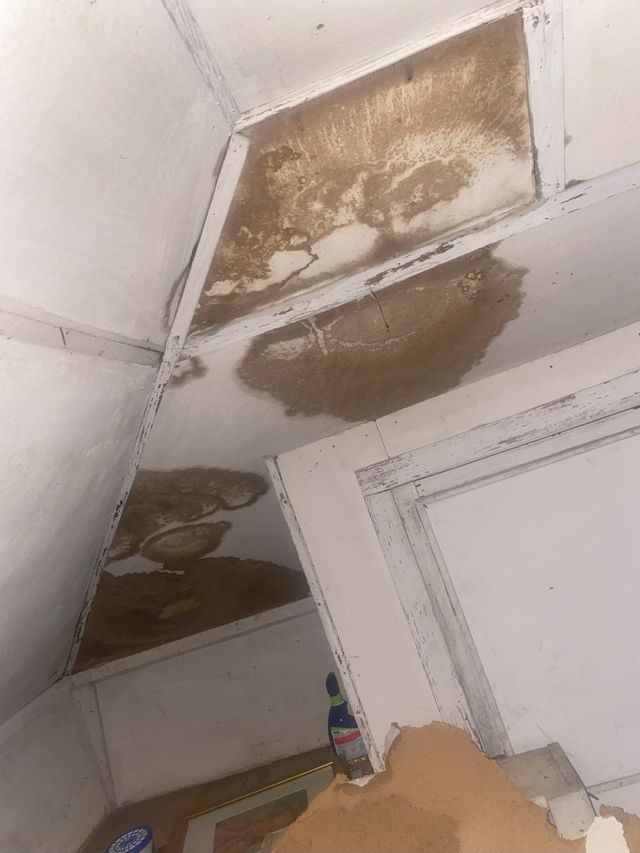
Why Mold Grows in Florida Homes – Facts vs Common Myths for Homes in Coral Springs
Mold growth in Florida homes sparks a lot of bad assumptions. Some homeowners blame poor cleaning habits. Others assume mold only shows up after floods or hurricanes. Both ideas miss the mark. In Coral Springs, we see mold growth in clean, well-maintained homes all the time, and the reasons stay surprisingly consistent.
Mold doesn’t grow because people “do something wrong.” It grows because Florida creates the perfect environment for it. Once you separate facts from myths, mold problems start to make a lot more sense—and they become much easier to prevent.
Fact: Florida’s Climate Gives Mold a Head Start
This part isn’t debatable. Florida’s climate favors mold before it even enters a home.
Why Coral Springs Homes Stay Mold-Friendly
Warm temperatures and high humidity stick around year-round. That combination keeps moisture levels elevated indoors, even when no leaks exist.
In Coral Springs homes, we consistently see:
- High indoor humidity
- Limited natural ventilation
- Heavy air conditioning use
Mold needs moisture, organic material, and time. Florida supplies moisture nonstop.
Myth: Mold Only Grows After Flooding or Big Leaks
This myth causes homeowners to wait far too long.
The Reality of Everyday Moisture
Most mold growth we find never traces back to flooding. Instead, it comes from:
- AC condensation issues
- Slow plumbing leaks
- Sweating ductwork
- Poor ventilation
- High indoor humidity
Mold thrives on moisture you barely notice. Dramatic water damage just speeds things up.
Fact: Air Conditioning Contributes to Mold Conditions
AC keeps Florida homes livable. It also creates moisture by design.
How AC Systems Add Moisture
When warm air cools, moisture condenses on evaporator coils. That moisture must drain properly.
We frequently find mold growth tied to:
- Clogged drain lines
- Dirty coils
- Short cycling systems
- Poorly insulated ductwork
AC doesn’t cause mold. Unmanaged condensation does.
Myth: Newer Homes Don’t Have Mold Problems
New construction doesn’t stop mold. Sometimes it makes conditions worse.
Why Newer Homes Still Grow Mold
Modern Coral Springs homes seal tightly for energy efficiency. That efficiency:
- Traps humidity indoors
- Reduces airflow
- Slows drying after moisture events
Mold doesn’t care how new a home is. It cares about moisture staying put.
Fact: HVAC Systems Spread Mold Efficiently
Once mold enters the HVAC system, it rarely stays contained.
Why HVAC Mold Becomes a Whole-Home Issue
HVAC systems:
- Pull air from multiple rooms
- Circulate air constantly
- Distribute spores evenly
We often see one small moisture issue inside an air handler lead to mold showing up in multiple rooms. That’s not coincidence. That’s airflow doing its job.
Myth: If You Don’t Smell Mold, It Isn’t There
This myth delays action more than almost anything else.
Mold Doesn’t Always Smell
Some mold produces strong odors. Some produces none.
In many Coral Springs homes with mold:
- No musty smell exists
- No visible growth appears near vents
- No obvious water damage shows
Symptoms or recurring moisture often appear before any odor does.
Fact: Attics Play a Big Role in Mold Growth
Attics stay out of sight and out of mind. Mold loves that.
Why Attics Become Mold Hotspots
Warm, humid air rises into attics. Without proper ventilation, moisture builds up.
During inspections, we often find:
- Damp insulation
- Condensation on roof decking
- Mold near vents
- Rusted nails and fasteners
Attic mold slowly spreads downward, affecting ceilings and walls over time.
Myth: Bathrooms Are the Only High-Risk Rooms
Bathrooms matter, but they aren’t alone.
Where Mold Actually Starts
In Coral Springs homes, mold often starts in:
- Laundry rooms
- Kitchens
- Closets on exterior walls
- Under sinks
- Inside wall cavities
Any space that traps moisture long enough can support mold growth.
Fact: Indoor Humidity Drives Most Mold Problems
Humidity stays invisible, which makes it dangerous.
Why Humidity Matters So Much
High indoor humidity:
- Keeps surfaces damp
- Slows evaporation
- Encourages mold growth
Many Coral Springs homes maintain humidity levels above healthy ranges without realizing it. AC alone doesn’t always control humidity effectively.
Myth: Cleaning Mold Solves the Problem
This belief frustrates homeowners when mold keeps returning.
Why Mold Comes Back After Cleaning
Cleaning removes surface mold. It does not:
- Fix moisture sources
- Address hidden growth
- Improve indoor air quality
If moisture stays, mold returns. Every time.
Fact: Mold Inspection Focuses on Moisture First
People expect mold inspection to hunt for mold. Moisture actually gets the most attention.
What Mold Inspection Really Looks For
A proper inspection identifies:
- Moisture sources
- Hidden mold growth
- HVAC contamination
- Areas at risk of spread
Stopping moisture stops mold. Inspection exists to find that connection early.
Myth: Mold Inspection Always Leads to Expensive Remediation
Fear-based thinking keeps homeowners from getting answers.
The Reality of Inspection Results
Most Coral Springs inspections:
- Do not require full remediation
- Identify manageable moisture issues
- Prevent future mold growth
Inspection often saves money by stopping small problems early.
Fact: Small Leaks Cause Big Mold Problems
Large leaks get noticed quickly. Small ones quietly feed mold.
Why Slow Leaks Are Dangerous
Slow leaks:
- Keep materials damp long-term
- Go unnoticed for months
- Allow mold to grow unnoticed
We frequently find mold behind walls where homeowners never suspected a leak existed.
Myth: Mold Only Affects Old or Neglected Homes
This assumption misses reality.
Mold Affects All Homes
We inspect:
- New homes
- Well-maintained homes
- Recently renovated homes
Mold doesn’t judge upkeep. It responds to moisture and airflow conditions.
Mold Removal vs Mold Remediation: Why the Difference Matters
This misunderstanding creates repeat problems.
Mold Removal Alone Falls Short
Removal eliminates visible mold. It doesn’t:
- Address moisture
- Stop spore circulation
- Prevent regrowth
Mold Remediation Solves the Root Problem
Effective remediation includes:
- Containment
- HEPA air filtration
- Removal of contaminated materials
- Moisture correction
- Preventive treatments
Remediation focuses on long-term results, not cosmetic fixes.
Why Local Experience Matters in Coral Springs
Florida mold behaves differently than mold elsewhere.
Local expertise matters because it accounts for:
- Regional humidity patterns
- Construction styles
- HVAC system designs
- Seasonal moisture behavior
Generic advice often fails in Florida homes.
Preventing Mold Growth in Coral Springs Homes
Prevention works when homeowners stay consistent.
Proven Prevention Steps
- Control indoor humidity
- Maintain AC drain lines
- Improve attic ventilation
- Address leaks immediately
- Schedule periodic inspections
Moisture control always comes first.
Final Thoughts: Facts Beat Myths Every Time
Mold grows in Florida homes because the environment supports it—not because homeowners fail. For residents of Coral Springs, understanding the real causes removes fear and replaces it with practical solutions.
When moisture stays controlled, mold struggles to survive. Homes stay healthier. Air stays cleaner. And expensive surprises become far less common. Facts make prevention simple. Myths only make problems linger longer than they should.
