
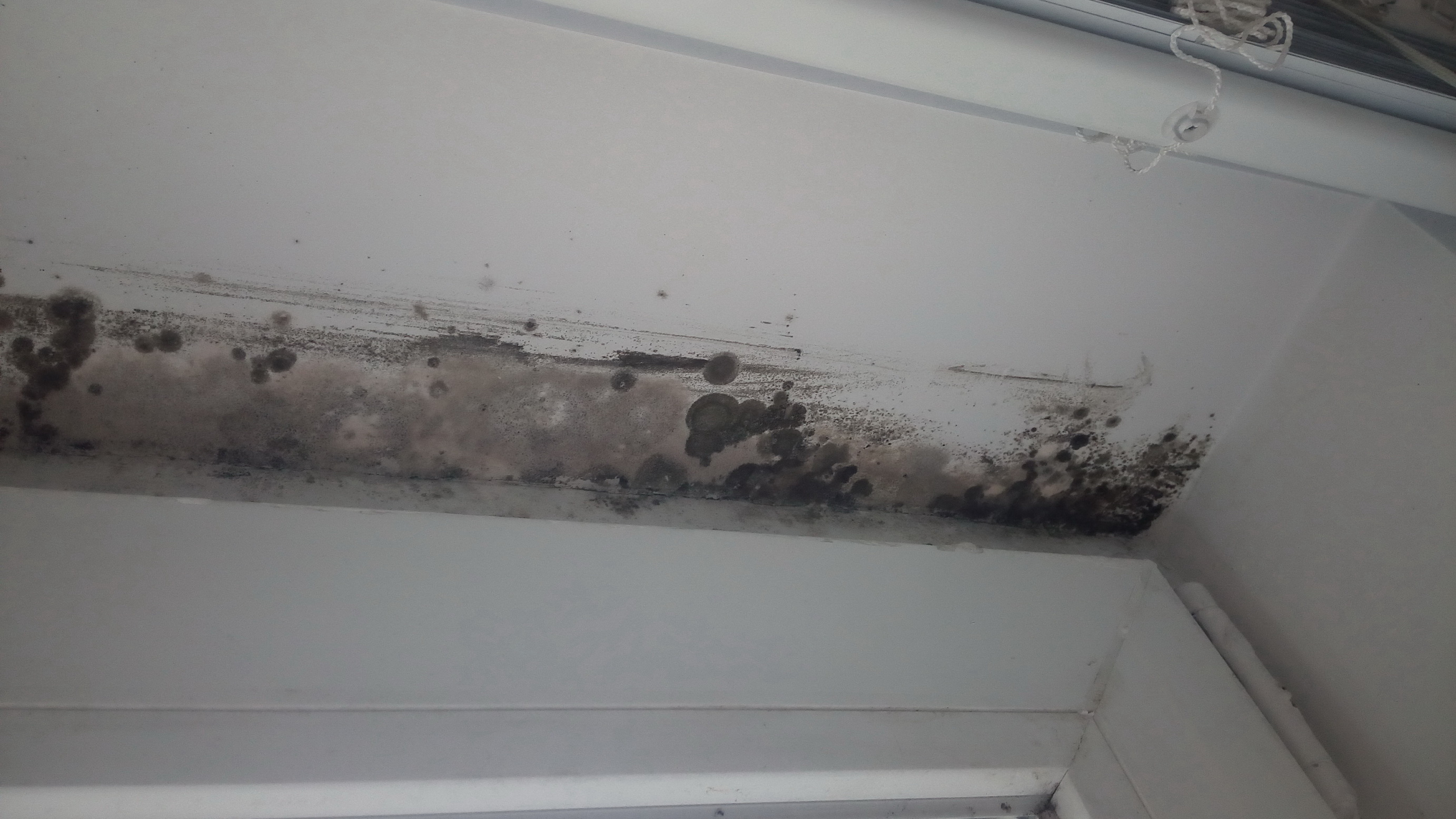
Indoor Air Quality Issues in Florida Homes – What Most People Get Wrong for Homes in Pembroke Pines
Indoor air quality sounds like one of those technical topics people nod at and then ignore. As long as the house looks clean and the AC works, most homeowners in Pembroke Pines assume the air inside must be fine. That assumption causes more long-term health complaints, mold problems, and expensive repairs than almost anything else we see.
Mistake #1: Thinking Clean Homes Automatically Have Clean Air
This belief feels logical. It just isn’t accurate.
Clean Surfaces Don’t Equal Clean Air
We inspect spotless homes with serious air quality problems all the time. Vacuuming, dusting, and mopping remove visible debris. They don’t remove:
- Airborne mold spores
- Excess humidity
- HVAC contamination
- Allergens circulating through ductwork
Indoor air quality depends on what’s floating in the air and moving through the system, not just what sits on surfaces.
Why Florida Homes Struggle With Indoor Air Quality
Florida homes face challenges homeowners in other states never deal with.
Climate Works Against Indoor Air
In Pembroke Pines, homes experience:
- High year-round humidity
- Heavy air conditioning use
- Limited natural ventilation
- Tight construction
Warm, humid air constantly tries to enter the home. Once inside, it doesn’t leave easily. That trapped moisture becomes the foundation of most indoor air quality problems.
Mistake #2: Blaming Allergies Without Questioning the House
Seasonal allergies exist. Indoor air problems exist too. Many homeowners assume it’s always the first one.
Indoor Symptoms Tell a Different Story
We often hear:
- “I feel fine outside but miserable at home”
- “My allergies never fully go away”
- “My head feels foggy indoors”
Those patterns usually point to indoor air quality, not pollen. When symptoms improve outside the home, the house deserves a closer look.
Mold: The Indoor Air Problem People Underestimate
Mold doesn’t just grow on walls. It affects what you breathe.
How Mold Impacts Air Quality
Mold releases microscopic spores into the air. HVAC systems then distribute those spores throughout the home.
In Pembroke Pines homes, mold often hides in:
- HVAC air handlers and ducts
- Bathrooms and laundry rooms
- Behind drywall after leaks
- Attics with poor ventilation
Homeowners notice symptoms long before they see mold. That delay allows exposure to continue quietly.
Mistake #3: Assuming HVAC Systems Improve Air Quality by Default
HVAC systems move air. They don’t automatically clean it.
HVAC Systems Can Help or Hurt Air Quality
When HVAC systems stay clean and dry, they support healthy air. When they collect moisture, dust, or mold, they spread contamination efficiently.
Common HVAC-related air quality problems include:
- Mold growth inside air handlers
- Dirty evaporator coils
- Contaminated ductwork
- Poor filtration
The system doesn’t create the problem. It amplifies whatever exists inside it.
Humidity: The Indoor Air Quality Factor Nobody Measures
Humidity stays invisible, which makes it easy to ignore.
Why Humidity Changes Everything
High indoor humidity:
- Keeps mold spores active
- Allows dust mites to thrive
- Makes air feel heavy
- Slows drying of surfaces
Many Pembroke Pines homes maintain humidity levels well above healthy ranges without realizing it. AC alone doesn’t always control moisture effectively.
Mistake #4: Believing Odors Are the Only Warning Sign
People wait for musty smells before taking air quality seriously. That wait often lasts too long.
Poor Air Quality Doesn’t Always Smell
We regularly find air quality issues in homes with:
- No noticeable odor
- No visible mold
- No obvious water damage
Symptoms often appear first. Odors come later, if at all. Relying on smell delays action.
Dust Isn’t Just Dust in Florida Homes
Dust builds up faster in homes with air quality problems.
What Excess Dust Really Indicates
Rapid dust buildup often points to:
- Dirty ductwork
- HVAC contamination
- Poor filtration
- Air leaks pulling in pollutants
When dust returns quickly after cleaning, the source usually sits inside the HVAC system or ductwork, not on surfaces.
Mistake #5: Treating Symptoms Instead of Sources
Air purifiers, candles, sprays, and filters feel proactive. They rarely solve the real problem.
Why Temporary Fixes Fall Short
Most quick fixes:
- Mask odors
- Filter a small portion of air
- Ignore moisture sources
- Leave mold and contaminants untouched
Air quality improves only when sources get addressed. Treating symptoms delays real solutions.
Mold Inspection: The First Real Step Toward Better Air
Many homeowners jump straight to cleaning or remediation without understanding the problem.
What Mold Inspection Reveals
A proper inspection identifies:
- Hidden mold growth
- Moisture sources
- HVAC contamination
- Areas affecting air circulation
Inspection explains why air quality suffers. Without it, homeowners guess and often miss key contributors.
Mold Testing: When Air Quality Questions Need Data
Testing doesn’t always add value, but it often helps with air quality concerns.
When Mold Testing Makes Sense
Testing becomes useful when:
- Symptoms exist without visible mold
- Air quality concerns persist
- HVAC contamination seems likely
- Documentation matters for real estate or health
Testing confirms exposure levels and helps prioritize next steps.
Mold Removal vs Mold Remediation: Why Air Quality Depends on the Difference
This misunderstanding causes repeat problems.
Removal Alone Doesn’t Fix Air Quality
Removing visible mold:
- Leaves spores in the air
- Ignores moisture sources
- Misses hidden growth
Mold Remediation Improves Air Quality
Proper remediation includes:
- Containment to prevent spore spread
- HEPA air filtration
- Removal of contaminated materials
- Moisture correction
- Preventive treatments
Air quality improves only when spores leave the air and moisture stays controlled.
Why Pembroke Pines Homes Face Unique Air Quality Challenges
Local conditions matter.
Regional Factors at Play
Pembroke Pines homes deal with:
- High humidity year-round
- Heavy AC usage
- Attics that trap moisture
- Mixed construction styles
Even newer homes develop air quality issues without proper moisture and HVAC management.
The Financial Cost of Ignoring Indoor Air Quality
Poor air quality doesn’t stay a comfort issue. It becomes a financial one.
What Ignoring It Leads To
Homeowners who delay action often face:
- Repeated mold problems
- HVAC system damage
- Increased medical expenses
- Reduced property value
Addressing air quality early costs far less than fixing long-term damage.
When Homeowners Should Take Indoor Air Quality Seriously
Patterns matter more than single signs.
Act When You Notice:
- Symptoms improving outside the home
- Mold returning after cleaning
- Persistent humidity
- Dust building up quickly
- Musty smells when the AC runs
These signs rarely appear alone.
Improving Indoor Air Quality the Right Way
Real improvement requires a system-wide approach.
What Actually Works
- Control indoor humidity
- Address mold growth fully
- Inspect and maintain HVAC systems
- Improve ventilation
- Schedule periodic inspections
Each step supports the next. Skipping one weakens the entire solution.
Final Thoughts: Clean Air Requires More Than Clean Surfaces
Indoor air quality problems in Florida homes don’t come from laziness or poor housekeeping. They come from moisture, airflow, and hidden contamination. For homeowners in Pembroke Pines, understanding what most people get wrong helps avoid costly mistakes.
Clean air doesn’t happen by accident. It happens when moisture stays controlled, systems stay clean, and problems get addressed early. When that happens, homes feel better, air feels lighter, and expensive surprises become far less common.
