
Lessons From Real Inspections: Mold Inspection Insights for Homes in Pompano Beach
Mold inspection sounds straightforward until you’ve seen a few hundred homes up close. Homeowners in Pompano Beach often expect inspections to confirm one simple thing: mold or no mold. Real inspections rarely work that way. They tell a much bigger story about moisture, airflow, and small issues that quietly snowball.
We’ve walked into spotless homes with serious mold problems and cluttered homes with none at all. That’s one of the first lessons inspections teach. Mold doesn’t care how clean a home looks. It cares about moisture and opportunity. What follows are real-world insights we see again and again inside Pompano Beach homes.
Lesson #1: Visible Mold Is Rarely the Full Problem
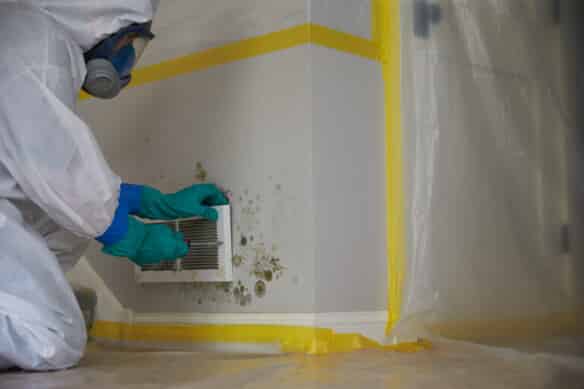
Homeowners usually call after spotting mold somewhere obvious. A bathroom corner. A closet wall. A vent.
What Inspections Actually Reveal
During inspections, visible mold often represents:
- A symptom, not the source
- A small part of a larger moisture issue
- Growth connected to hidden areas
We routinely find additional mold:
- Behind drywall
- Inside wall cavities
- Under flooring
- Inside HVAC systems
Focusing only on what you can see almost always underestimates the real scope.
Lesson #2: Moisture Matters More Than Mold Type
People often worry about “what kind” of mold they have. That concern makes sense, but it’s rarely the most important factor.
What Experienced Inspectors Focus On
During inspections, we prioritize:
- Where moisture originates
- How long it has existed
- How far it has traveled
- Whether conditions allow continued growth
Mold type matters less than moisture behavior. Stop the moisture, and mold loses its advantage.
Lesson #3: HVAC Systems Play a Bigger Role Than Homeowners Expect
This lesson surprises almost everyone.
HVAC Systems Turn Local Problems Into Whole-House Issues
In Pompano Beach homes, we often trace widespread mold issues back to:
- Air handlers with condensation buildup
- Dirty evaporator coils
- Clogged drain lines
- Contaminated duct liners
Once mold enters the HVAC system, spores circulate every time the AC runs. That’s how mold shows up in multiple rooms with no obvious connection.
Lesson #4: Mold Often Grows Without Leaks or Flooding
Many homeowners assume mold requires dramatic water damage. Real inspections tell a different story.
Common Non-Dramatic Mold Sources
We frequently find mold caused by:
- High indoor humidity
- AC condensation
- Poor ventilation
- Slow plumbing leaks
In coastal environments like Pompano Beach, humidity alone can keep surfaces damp long enough for mold to grow.
Lesson #5: Odor Is an Unreliable Mold Indicator
People trust their nose. Mold doesn’t always cooperate.
What Inspections Show About Smell
During inspections, we regularly find mold in homes with:
- No musty odor
- No visible growth
- No recent water damage
Odor helps when it exists. Its absence means nothing. Many mold cases remain odorless until growth becomes extensive.
Lesson #6: Attics Cause More Mold Problems Than People Realize
Attics rarely get attention unless something leaks.
What We See in Pompano Beach Attics
Inspections often reveal:
- Damp insulation
- Condensation on roof decking
- Mold near vents
- Rusted nails and fasteners
Warm, humid air rises into attics and gets trapped. Over time, attic mold spreads downward into ceilings and wall cavities.
Lesson #7: Mold Returns When Inspections Get Skipped
This lesson shows up after failed cleanup attempts.
Why Mold Keeps Coming Back
When homeowners clean without inspection:
- Hidden growth remains
- Moisture sources stay active
- HVAC contamination goes unnoticed
We often inspect homes after two or three failed cleaning attempts. An early inspection would have saved time and money.
Lesson #8: Mold Inspection Is About Patterns, Not Panic
A good inspection doesn’t rely on scare tactics.
What Professional Inspection Actually Does
A proper inspection:
- Identifies where mold exists
- Explains why it exists
- Evaluates risk realistically
- Prioritizes next steps logically
Most inspections don’t lead to extreme remediation. They lead to targeted, manageable solutions.
Lesson #9: Mold Testing Isn’t Always Necessary—but Sometimes It Matters
Homeowners often assume testing comes automatically.
When Testing Adds Value
Based on inspections, testing helps when:
- Symptoms exist without visible mold
- HVAC contamination seems likely
- Air quality concerns persist
- Documentation matters for real estate or health
Testing supports inspection. It doesn’t replace it. Testing without inspection often answers the wrong questions.
Lesson #10: Humidity Quietly Drives Most Mold Problems
Humidity stays invisible, which makes it easy to ignore.
What Inspections Reveal About Humidity
In Pompano Beach homes, we frequently find:
- Indoor humidity above healthy ranges
- Condensation on vents and ducts
- Slow drying after normal activities
High humidity allows mold to grow without leaks, floods, or obvious warning signs.
Lesson #11: DIY Mold Checks Miss Critical Information
Flashlights and store-bought kits feel proactive. Inspections prove their limits.
What DIY Checks Miss
DIY approaches usually miss:
- Moisture inside walls
- HVAC contamination
- Subsurface mold growth
- Spread patterns
Professional inspections use moisture meters, thermal imaging, and experience to see what homeowners can’t.
Lesson #12: Early Inspections Cost Less Than Late Remediation
This lesson never changes.
What Waiting Usually Leads To
Delaying inspection often results in:
- Larger mold growth areas
- More invasive remediation
- HVAC system contamination
- Higher repair costs
Homes inspected early almost always require less work and less expense.
Lesson #13: Mold Inspection Isn’t About Blame
Homeowners often feel embarrassed calling for inspection. They shouldn’t.
What Inspections Really Show
Most mold problems come from:
- Environmental conditions
- Construction design
- HVAC behavior
- Humidity patterns
Neglect rarely causes mold. Moisture does.
Lesson #14: Local Experience Matters in Pompano Beach
Florida mold behaves differently than mold elsewhere.
Local inspection experience matters because it accounts for:
- Coastal humidity patterns
- Typical construction styles
- Common HVAC designs
- Regional moisture behavior
Generic advice often misses Florida-specific risks.
Signs Pompano Beach Homeowners Shouldn’t Ignore
Based on real inspections, these signs deserve attention:
- Musty odors that come and go
- Mold returning after cleaning
- Allergy symptoms indoors
- Condensation appearing often
- Persistent humidity
One sign alone may mean nothing. Patterns matter.
What Homeowners Gain From a Proper Mold Inspection
A good inspection provides:
- Clear answers
- Honest risk assessment
- Targeted recommendations
- Peace of mind
Inspection replaces guessing with facts.
Final Thoughts: Real Inspections Tell Honest Stories
Every mold inspection tells a story about how a home handles moisture. For homeowners in Pompano Beach, the biggest lesson stays consistent: mold problems rarely start big, but they grow quietly when ignored.
Real inspections don’t create fear. They create clarity. Catching issues early keeps solutions simple, costs lower, and homes healthier. Mold doesn’t reward waiting. It rewards moisture—and inspections stop it by cutting that off at the source.
