
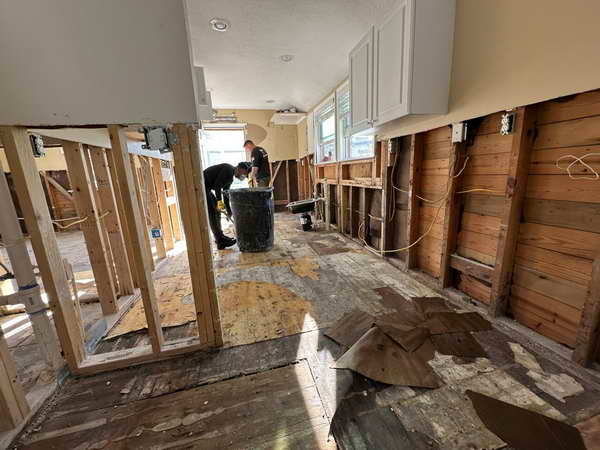
What the Data Tells Us: Mold Remediation Insights for Homes in Lauderhill
Mold remediation decisions feel emotional for most homeowners. Fear, frustration, and confusion tend to drive the conversation. That reaction makes sense, but it often leads to bad decisions. When we step back and look at real inspection and remediation data from homes in Lauderhill, a much clearer picture emerges—and it’s far less dramatic than people expect.
The numbers tell a consistent story. Most mold problems don’t start big. They get big when moisture stays unmanaged and remediation skips critical steps. Let’s walk through what the data actually shows, based on what we see inside real homes, not worst-case internet scenarios.
What Mold Remediation Data Really Tracks
Good remediation data doesn’t focus on scare words. It focuses on patterns.
The Core Data Points We See Repeatedly
Across Lauderhill homes, remediation outcomes usually depend on:
- Moisture source location
- Duration of moisture exposure
- HVAC involvement
- Square footage affected
- Whether remediation followed inspection findings
When remediation succeeds, these factors align. When it fails, at least one gets ignored.
Data Insight #1: Moisture Source Determines Remediation Scope
This shows up in almost every case.
Small Moisture Source, Small Remediation
When data shows:
- Localized plumbing leaks
- Short exposure time
- No HVAC contamination
Remediation stays limited and targeted. Costs stay controlled. Repairs remain minimal.
Ongoing Moisture, Expanding Mold
When moisture comes from:
- AC condensation issues
- High indoor humidity
- Poor ventilation
- Attic moisture buildup
Mold spreads quietly over time. Data shows remediation scope increases dramatically the longer moisture persists.
Data Insight #2: HVAC Involvement Changes Everything
This is one of the strongest patterns we see.
Homes Without HVAC Mold
When HVAC systems stay clean:
- Mold stays localized
- Air quality impact stays limited
- Remediation scope stays smaller
Homes With HVAC Mold
When data confirms HVAC contamination:
- Mold appears in multiple rooms
- Symptoms feel whole-house
- Remediation becomes more complex
HVAC involvement consistently increases remediation cost and duration. That’s not opinion. That’s pattern recognition.
Data Insight #3: Most Mold Growth Isn’t Visible at First
Homeowners often expect visible mold to guide remediation decisions. Data disagrees.
Where Mold Is Actually Found
In Lauderhill homes, remediation data shows mold most often located:
- Behind drywall
- Inside wall cavities
- Under flooring
- Inside air handlers
- In attic insulation
Visible mold usually represents a small fraction of total growth. Remediation that only addresses what you can see underperforms almost every time.
Data Insight #4: Humidity-Driven Mold Outpaces Leak-Driven Mold
This surprises homeowners.
Leak-Driven Mold
Leak-related mold:
- Gets noticed faster
- Receives quicker response
- Often stays localized
Humidity-Driven Mold
Humidity-driven mold:
- Develops slowly
- Goes unnoticed longer
- Affects larger areas
Data from Lauderhill homes shows humidity-related mold issues often require broader remediation because exposure time stays longer.
Data Insight #5: Remediation Success Depends on Moisture Correction
This is the single most important finding.
Successful Remediation Always Includes Moisture Control
Data consistently shows successful outcomes when remediation includes:
- Leak repairs
- Condensation correction
- HVAC drainage fixes
- Ventilation improvements
- Humidity control
When remediation skips moisture correction, mold recurrence rates rise sharply. Cosmetic cleanup never changes long-term outcomes.
Mold Removal vs Mold Remediation: The Data Gap
Many homeowners use these terms interchangeably. Data shows they are not interchangeable.
Mold Removal Outcomes
Removal-only approaches:
- Address visible growth
- Leave moisture active
- Allow spores to remain airborne
Recurrence rates stay high when removal happens without remediation.
Mold Remediation Outcomes
Proper remediation includes:
- Containment
- HEPA air filtration
- Removal of contaminated materials
- Moisture source correction
- Preventive treatments
Data shows remediation dramatically reduces recurrence when all steps stay aligned.
Data Insight #6: Early Remediation Costs Less
This trend never changes.
Early Action vs Delayed Action
When remediation begins early:
- Affected areas stay smaller
- Fewer materials require removal
- HVAC contamination often gets avoided
Delayed remediation consistently leads to:
- Expanded mold growth
- Structural material replacement
- HVAC system involvement
Early data intervention saves money almost every time.
Data Insight #7: DIY Cleanup Increases Remediation Scope
This result surprises many homeowners.
What Data Shows About DIY Attempts
Homes where DIY cleanup occurred first often show:
- Wider spore spread
- Increased airborne contamination
- Disturbed hidden mold growth
By the time professionals step in, remediation scope expands. DIY rarely reduces final cost.
Data Insight #8: Mold Type Rarely Changes Remediation Strategy
People fixate on mold species. Data focuses elsewhere.
What Matters More Than Mold Type
Remediation strategy depends on:
- Location
- Quantity
- Moisture source
- Exposure duration
Mold type rarely changes remediation approach. Moisture behavior always does.
Data Insight #9: Attics Play a Bigger Role Than Homeowners Expect
Attic data tells a quiet story.
What We See in Lauderhill Attics
Remediation data frequently includes:
- Damp insulation
- Mold on roof decking
- Condensation near vents
- Rusted nails
Attic mold often spreads downward over time. Data shows ignoring attic conditions leads to repeated interior remediation.
Data Insight #10: Air Quality Complaints Correlate With HVAC Mold
This connection appears consistently.
Homes With Air Quality Symptoms
Data shows air quality complaints spike when:
- Mold exists inside air handlers
- Duct liners stay contaminated
- Humidity stays elevated
Homes without HVAC involvement report fewer ongoing symptoms after remediation.
Mold Inspection Data Guides Better Remediation
Inspection data prevents over- or under-remediation.
Why Inspection Improves Outcomes
Inspection data:
- Identifies true mold locations
- Locates moisture sources
- Defines remediation scope accurately
Remediation without inspection data relies on guesswork. Guesswork increases cost variance and recurrence risk.
Mold Testing Data: When It Helps, When It Doesn’t
Testing supports remediation when used correctly.
Data Shows Testing Adds Value When:
- Symptoms exist without visible mold
- HVAC contamination seems likely
- Documentation matters
Testing without inspection often adds confusion instead of clarity.
Why Lauderhill Homes Follow These Same Patterns
Local conditions reinforce the data.
Lauderhill-Specific Factors
Homes here deal with:
- High year-round humidity
- Heavy AC usage
- Tight construction
- Slow drying conditions
These factors don’t guarantee mold, but they amplify small moisture problems quickly.
Practical Takeaways From the Data
Data simplifies decisions when emotions complicate them.
What the Numbers Consistently Support
- Moisture control determines success
- HVAC involvement increases scope
- Early remediation costs less
- Removal alone fails long-term
- Inspection-driven remediation performs best
These patterns repeat across hundreds of cases.
When Homeowners Should Act Based on Data
Waiting rarely improves outcomes.
Act When You See:
- Mold returning after cleanup
- Persistent humidity
- Musty odors that come and go
- Air quality complaints indoors
- Water damage history
These indicators consistently correlate with expanding remediation scope.
Final Thoughts: Data Cuts Through Mold Confusion
Mold remediation feels overwhelming until you look at the data. For homeowners in Lauderhill, the numbers tell a calm, consistent story. Mold problems don’t explode randomly. They grow when moisture stays unmanaged and remediation skips fundamentals.
When remediation follows inspection data, corrects moisture, and addresses HVAC involvement early, outcomes improve dramatically. Less guesswork. Fewer repeat problems. Lower long-term cost. Data doesn’t exaggerate—and it doesn’t lie.
