
Moisture Problems Most Homeowners Miss – Practical Advice From Experts for Homes in Broward County
Moisture problems don’t usually show up as disasters. No floods. No soaked carpets. No emergency calls at midnight. That’s exactly why homeowners across Broward County miss them. Moisture damage works quietly, behind walls and above ceilings, while everything still looks “normal.”
We inspect homes every week that look spotless but hide serious moisture issues. The homeowners aren’t careless. They just focus on what they can see. Moisture doesn’t need attention to cause damage. It just needs time. Let’s talk about the moisture problems most people miss and what actually works to catch them early.
Why Moisture Problems Fly Under the Radar in Broward County
South Florida creates perfect conditions for hidden moisture. Warm air. High humidity. Heavy AC use. Homes stay sealed tight to keep cool air inside.
Florida Homes Hold Moisture Longer
In Broward County homes, moisture lingers because:
- Humidity stays high year-round
- Drying happens slowly
- Air circulation stays limited
- AC systems run constantly
Even small moisture issues can stick around long enough to cause mold and material damage.
Condensation: The Moisture Problem Nobody Takes Seriously
Condensation gets brushed off constantly.
Why Condensation Matters
Condensation forms when warm, humid air hits cool surfaces. That happens daily in Florida homes.
We often find condensation:
- On air vents
- On ductwork
- Around supply registers
- On windows every morning
If condensation keeps returning, surfaces never fully dry. Mold doesn’t need leaks when condensation feeds it daily.
HVAC Systems: Moisture Starts Here More Than People Think
Air conditioning creates moisture by design.
How HVAC Systems Create Hidden Moisture
As AC systems cool air, moisture condenses on evaporator coils. That moisture must drain properly.
Problems start when:
- Drain lines clog
- Coils stay dirty
- Systems short-cycle
- Duct insulation sweats
When moisture lingers inside air handlers or ductwork, mold growth often follows quietly.
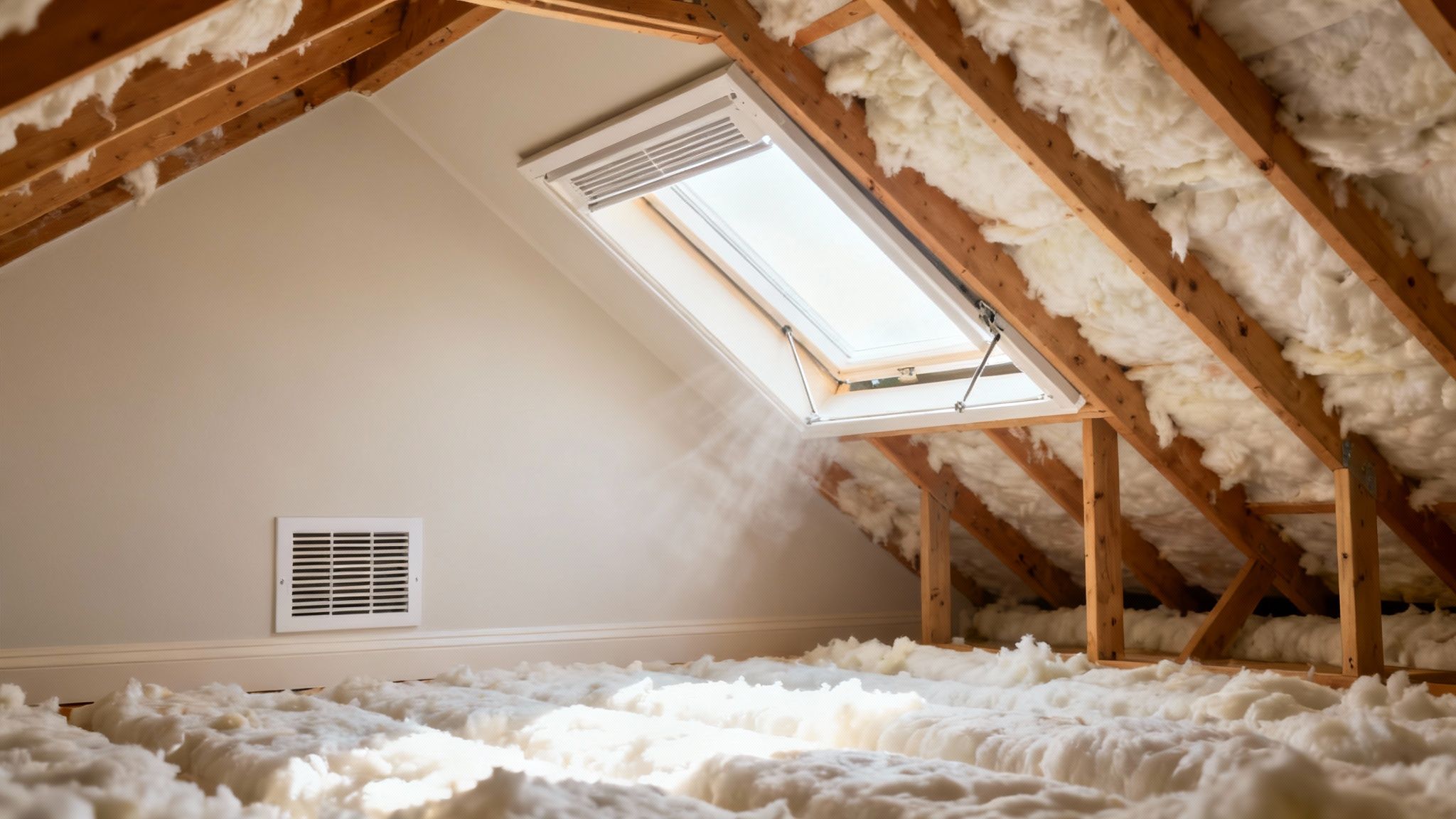
Attics: Broward County’s Most Overlooked Moisture Zone
Most homeowners rarely check their attic.
Why Attics Trap Moisture
Warm, humid air rises into attics and gets trapped, especially when ventilation falls short.
During inspections, we frequently find:
- Damp insulation
- Condensation on roof decking
- Mold near vents
- Rusted nails and fasteners
Attic moisture slowly spreads downward, affecting ceilings and walls without obvious warning signs.
Small Plumbing Leaks Cause Big Moisture Problems
Large leaks get noticed. Small ones cause more damage.
Why Slow Leaks Are Dangerous
Slow plumbing leaks:
- Stay hidden for months
- Keep materials constantly damp
- Feed mold steadily
Under sinks, behind walls, and around toilets, moisture builds without visible signs. By the time stains appear, damage already spreads.
Bathrooms and Laundry Rooms: Moisture That Travels
These rooms feel obvious, which makes them dangerous.
Why Surface Drying Isn’t Enough
Showers and laundry release large amounts of moisture into the air. Without proper ventilation:
- Moist air enters walls and ceilings
- Insulation absorbs humidity
- Mold starts above visible surfaces
Running fans briefly clears mirrors, not moisture inside building materials.
Indoor Humidity: The Moisture Source Nobody Measures
Humidity stays invisible, so it gets ignored.
Why Humidity Drives Most Moisture Problems
High indoor humidity:
- Slows evaporation
- Keeps surfaces damp
- Activates mold spores
Many Broward County homes maintain humidity levels above healthy ranges without realizing it. AC cools air, but cooling doesn’t always remove enough moisture.
Moisture Inside Walls: The Problem You Can’t See
Walls hide moisture extremely well.
How Moisture Gets Trapped Inside Walls
Moisture enters walls through:
- Condensation
- Small leaks
- High humidity
- Poor insulation
Drywall and insulation absorb moisture and dry slowly. Mold often starts inside wall cavities long before any surface damage appears.
Flooring Moisture: Another Missed Trouble Spot
Floors hide moisture just as well as walls.
Where Flooring Moisture Builds Up
We commonly find moisture:
- Under tile
- Beneath laminate
- In subfloors near exterior walls
Condensation, humidity, and minor leaks all contribute. Flooring damage often shows up late, after mold already grows below.
Why Moisture Problems Rarely Smell at First
Homeowners expect musty odors. That expectation delays action.
Moisture Doesn’t Always Smell
Many moisture issues:
- Produce no odor
- Cause no visible stains
- Feel completely normal
Smells often appear only after mold growth becomes established. Waiting for odor means waiting too long.
Mold Inspection: How Moisture Gets Identified Early
Visual checks rarely catch moisture problems.
What Mold Inspection Actually Looks For
Professional inspections focus on:
- Moisture readings
- Condensation patterns
- Hidden damp areas
- HVAC moisture issues
Inspection often identifies moisture problems before mold becomes obvious. That timing saves money.
Mold Testing: When Moisture Raises Bigger Questions
Testing doesn’t always add value, but moisture-related concerns sometimes justify it.
When Mold Testing Helps
Testing makes sense when:
- Health symptoms exist without visible mold
- Moisture appears widespread
- HVAC contamination seems likely
- Documentation matters
Testing confirms whether moisture already triggered mold growth.
Why Moisture Control Prevents Mold Better Than Cleaning
This point gets missed constantly.
Cleaning Doesn’t Change Moisture
Surface cleaning:
- Removes visible mold
- Leaves moisture untouched
- Allows mold to return
Moisture control stops mold at the source. Without it, cleaning turns into a repeat cycle.
DIY Moisture Fixes: Where They Fall Short
Fans and dehumidifiers help, but only to a point.
What DIY Efforts Often Miss
DIY approaches usually miss:
- Moisture inside walls
- Damp insulation
- HVAC condensation issues
- Attic moisture buildup
Drying what you can see doesn’t stop moisture hiding behind surfaces.
The Cost of Ignoring Moisture Problems
Moisture damage compounds over time.
What Small Moisture Issues Turn Into
Ignoring moisture leads to:
- Mold remediation
- Structural repairs
- HVAC contamination
- Higher energy bills
- Reduced property value
Early moisture correction costs far less than late-stage remediation.
Practical Moisture Prevention Advice That Works
You don’t need panic. You need consistency.
Smart Moisture Control Steps
- Maintain AC drain lines
- Control indoor humidity
- Improve attic ventilation
- Fix small leaks immediately
- Investigate condensation early
Each step reduces moisture. Less moisture means fewer problems.
Signs Broward County Homeowners Shouldn’t Ignore
Moisture leaves clues when people know what to watch for.
Pay attention to:
- Persistent condensation
- Mold returning after cleaning
- Stains that slowly grow
- High indoor humidity
- Allergy symptoms indoors
These signs rarely appear alone.
Why Local Experience Matters in Broward County
Florida moisture behaves differently.
Local expertise matters because it accounts for:
- Regional humidity patterns
- Typical construction styles
- Common HVAC designs
- Seasonal moisture behavior
Generic advice often misses Florida-specific moisture risks.
When Homeowners Should Take Action
Waiting rarely improves outcomes.
Act When:
- Moisture keeps returning
- Condensation appears regularly
- Mold reappears
- Drying feels incomplete
- Humidity stays high
Early action keeps problems small.
Final Thoughts: Moisture Is the Real Problem to Solve
Mold, odors, and air quality issues all trace back to moisture. For homeowners across Broward County, understanding that reality changes everything.
When moisture stays controlled, mold struggles, air feels cleaner, and homes stay healthier. The biggest moisture problems aren’t dramatic. They’re the quiet ones people miss. Catch them early, and expensive repairs stay off the table where they belong.
