
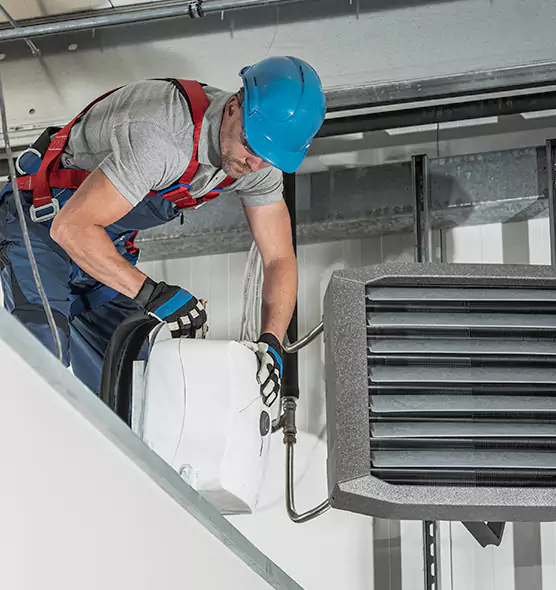
What We See Inside Homes: Mold Remediation Insights for Homes in Florida
Mold remediation sounds extreme until you actually see what’s happening inside Florida homes. From the outside, most houses look perfectly fine. Fresh paint. Working AC. No visible water damage. Step inside the walls, attics, or HVAC systems, though, and the story often changes fast.
The Big Picture: Mold Remediation Rarely Starts With Obvious Mold
One of the biggest misconceptions is that remediation starts when walls turn black. That almost never happens.
What We Actually See First
Most remediation projects begin with:
- Minor moisture issues
- AC condensation problems
- Small leaks behind walls
- Elevated indoor humidity
Visible mold usually shows up later. By the time homeowners notice it, mold already established itself out of sight.
Moisture Always Shows Up Before Mold
This pattern never changes.
What Moisture Readings Consistently Reveal
Inside Florida homes requiring remediation, we almost always find:
- Elevated moisture in drywall
- Damp insulation
- Condensation on HVAC components
- Indoor humidity above healthy levels
Mold doesn’t appear randomly. Moisture creates the invitation, and Florida hands it out generously.
HVAC Systems: The Most Common Mold Multiplier
If mold remediation expands beyond one room, HVAC systems usually play a role.
What We Find Inside HVAC Systems
Across Florida homes, remediation often involves:
- Mold inside air handlers
- Contaminated evaporator coils
- Moisture-filled drain pans
- Mold-affected duct liners
Once mold enters the HVAC system, spores circulate every time the AC runs. That’s how a small issue becomes a whole-house problem without warning.
Attics: The Quiet Starting Point Nobody Checks
Attics show up in remediation projects far more often than homeowners expect.
Why Attics Become Mold Zones
Florida attics trap heat and humidity. Without proper ventilation:
- Moisture builds up
- Insulation stays damp
- Roof decking absorbs condensation
We regularly find attic mold spreading downward into ceilings and wall cavities long before homeowners suspect the attic plays any role at all.
Humidity Alone Triggers Mold Remediation More Than People Realize
Not every remediation case involves leaks or floods.
What High Humidity Does Over Time
In many Florida homes:
- No major leak exists
- Humidity stays consistently high
- Drying happens too slowly
That combination allows mold to grow in closets, behind furniture, inside HVAC systems, and within walls. Over time, remediation becomes unavoidable even without obvious water damage.
Why Mold Often Returns After “Cleaning”
We see this mistake constantly.
Surface Cleaning Doesn’t Change Conditions
Homeowners clean visible mold, but:
- Moisture remains
- Hidden growth stays active
- HVAC systems continue circulating spores
When remediation happens after multiple cleaning attempts, the scope usually increases. Cleaning treats symptoms. Remediation fixes causes.
Mold Remediation Gets Bigger When Inspections Get Delayed
Timing shows up clearly across projects.
Early vs Late Remediation Outcomes
Based on real cases:
- Early inspections lead to smaller remediation areas
- Delayed inspections lead to wall, ceiling, and flooring removal
- Late remediation costs significantly more
Mold doesn’t pause while people wait. It spreads quietly.
Mold Type Matters Less Than Homeowners Think
People worry about “what kind” of mold they have. Data and experience point elsewhere.
What Actually Predicts Remediation Scope
The biggest factors are:
- Moisture duration
- Moisture location
- Airflow patterns
- HVAC involvement
Fix the conditions, and mold stops growing regardless of type. Ignore conditions, and remediation keeps coming back.
HVAC Contamination Ties Directly to Health Complaints
We notice this correlation repeatedly.
What Homeowners Report Before Remediation
Homes with HVAC-related mold remediation often involve:
- Allergy symptoms indoors
- Respiratory discomfort
- Fatigue or headaches
- Whole-house air quality complaints
After proper remediation, many homeowners report noticeable improvement. That connection shows up too often to ignore.
DIY Cleanup Shows Up in Many Failed Cases
This isn’t judgment. It’s just common.
Why DIY Attempts Backfire
In many Florida remediation projects, homeowners:
- Cleaned visible mold
- Used sprays or foggers
- Skipped moisture correction
These attempts often spread spores and delay proper remediation. By the time professionals get involved, the scope grows.
Mold Removal vs Mold Remediation: What We See in Outcomes
The difference shows up clearly in results.
Removal Alone Leads to Repeat Problems
Projects focused only on removal often show:
- Mold returning
- Moisture remaining
- Ongoing air quality issues
Proper Remediation Changes the Outcome
Successful remediation includes:
- Containment
- HEPA air filtration
- Removal of contaminated materials
- Moisture correction
- Preventive treatments
Homes treated this way show far lower recurrence rates.
Florida Homes Share Common Mold Risk Factors
Across the state, patterns repeat.
Common Florida-Specific Risks
We consistently see remediation tied to:
- High year-round humidity
- Heavy AC usage
- Tight construction trapping air
- Attics with limited ventilation
These factors quietly pressure homes until remediation becomes necessary.
Prevention Patterns Are Just as Clear
Homes that avoid remediation share similar habits.
What Lower-Risk Homes Do Differently
They typically:
- Control indoor humidity
- Maintain HVAC systems regularly
- Address condensation early
- Schedule inspections sooner
Prevention isn’t complicated. It’s consistent.
When Mold Remediation Becomes the Right Call
Based on what we see, remediation makes sense when:
- Mold extends beyond surface areas
- Moisture sources remain active
- HVAC systems show contamination
- Symptoms persist indoors
Waiting past this point almost always increases cost and disruption.
What Homeowners Should Learn From Real Homes
The lessons stay consistent.
Key Takeaways From Real Inspections
- Mold remediation starts with moisture
- HVAC systems amplify spread
- Attics play a bigger role than expected
- Delays increase scope and cost
- Early inspections limit damage
Homes don’t fail suddenly. They give signals first.
Final Thoughts: Mold Remediation Reflects What Happens Quietly Over Time
Mold remediation in Florida homes isn’t about fear or bad luck. It reflects moisture problems that went unnoticed long enough to grow. For homeowners across Florida, understanding what actually happens inside homes makes prevention far easier than repair.
Control moisture early. Inspect before mold spreads. Treat causes, not just surfaces. When homeowners act on what inspections reveal, remediation stays manageable—and sometimes never becomes necessary at all.
