
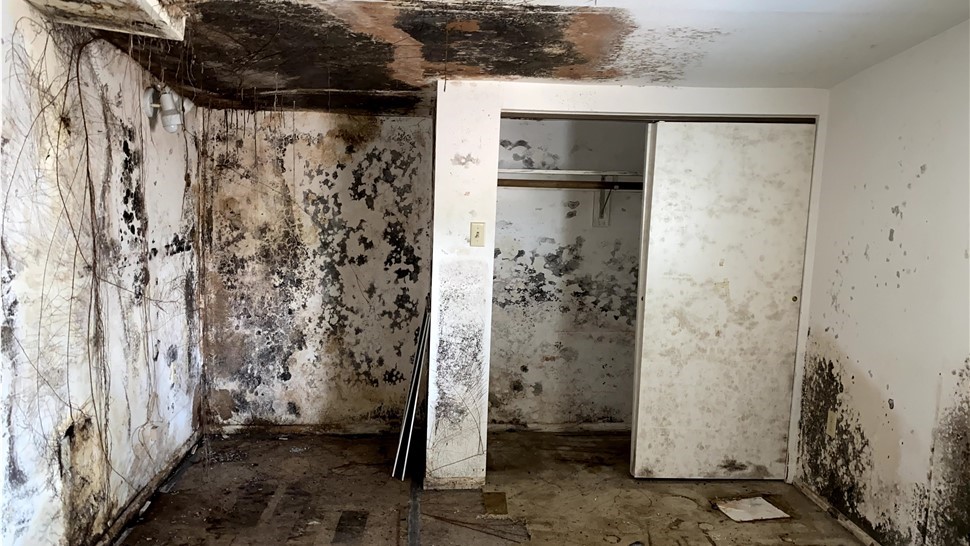
Real Risks, Not Fear Tactics: Black Mold Insights for Homes in Fort Lauderdale
Few words trigger homeowner panic faster than “black mold.” The internet makes it sound like the moment you spot it, you should evacuate the house and call everyone you know. Real inspections tell a very different story. Black mold is serious, but it isn’t magic, instant doom, or something that defies basic science.
In Fort Lauderdale homes, we see black mold often enough to separate facts from hype quickly. The real risk doesn’t come from the color. It comes from moisture, exposure, and time. Let’s talk about what actually matters, what doesn’t, and how homeowners should think about black mold without fear tactics.
First Things First: What “Black Mold” Actually Means
Black mold isn’t a diagnosis. It’s a description.
The Reality Behind the Name
Homeowners usually use “black mold” to describe:
- Dark-colored mold growth
- Mold found in damp areas
- Mold discovered after long-term moisture
Many mold species appear dark or black. Color alone doesn’t tell you how dangerous it is. Growth conditions matter far more than appearance.
Why Black Mold Shows Up So Often in Fort Lauderdale Homes
Fort Lauderdale creates ideal conditions for mold growth year-round.
Local Conditions That Matter
Homes here deal with:
- High coastal humidity
- Warm temperatures
- Heavy AC usage
- Slow indoor drying
When moisture stays present, mold grows. Black mold isn’t special—it just thrives when conditions stay favorable long enough.
The Real Risk: Long-Term Exposure, Not Instant Danger
This is where fear tactics usually take over.
What Black Mold Actually Does
Black mold releases spores just like other molds. Problems arise when:
- Exposure continues over time
- Mold growth spreads unchecked
- HVAC systems circulate spores
Most health issues don’t come from a single encounter. They come from ongoing exposure inside the home.
Common Health Symptoms Linked to Black Mold Exposure
Symptoms vary widely and rarely start extreme.
What Homeowners Commonly Report
In Fort Lauderdale homes, we often hear about:
- Persistent congestion
- Sneezing indoors
- Itchy or watery eyes
- Headaches
- Fatigue
These symptoms often improve outside the home. That pattern matters more than the mold’s color.
Black Mold Doesn’t Need to Be Visible to Affect Health
Visible growth is rarely the full picture.
Where Black Mold Often Hides
During inspections, we frequently find black mold:
- Behind drywall
- Inside wall cavities
- Under flooring
- Inside HVAC systems
- In attics
Hidden growth releases spores continuously. Homeowners often feel symptoms long before they ever see mold.
HVAC Systems: How Black Mold Becomes a Whole-House Issue
This is one of the biggest escalation points.
Why HVAC Systems Increase Risk
If black mold reaches:
- Air handlers
- Evaporator coils
- Duct liners
Spores circulate every time the AC runs. That turns a localized problem into a whole-home exposure issue, especially in Fort Lauderdale where AC runs constantly.
Myth: Black Mold Is Always More Dangerous Than Other Mold
This myth drives unnecessary panic.
The Fact: Conditions Matter More Than Species
Risk depends on:
- Amount of mold present
- Length of exposure
- Airflow patterns
- Individual sensitivity
A small amount of black mold in a dry, isolated area poses far less risk than widespread mold of any color circulating through an HVAC system.
Why Bleach and DIY Sprays Don’t Solve Black Mold
This mistake shows up constantly.
What DIY Cleaning Misses
DIY cleanup often:
- Removes surface discoloration
- Leaves mold roots intact
- Spreads spores into the air
- Ignores moisture sources
Many homeowners clean black mold only to see it return. It didn’t come back. It never left.
Black Mold and Moisture: The Connection That Matters
Mold only grows when moisture allows it.
Common Moisture Sources in Fort Lauderdale Homes
We frequently trace black mold growth back to:
- AC condensation problems
- High indoor humidity
- Slow plumbing leaks
- Poor ventilation
Fixing mold without fixing moisture guarantees repeat problems.
Mold Inspection: How Fear Turns Into Facts
Inspection replaces panic with clarity.
What Mold Inspection Actually Does
A proper inspection identifies:
- Where mold exists
- Why it’s growing
- Whether HVAC systems are involved
- How exposure likely occurs
Inspection shows whether black mold presents a real risk or a localized issue that’s manageable.
Mold Testing: When Black Mold Concerns Need Confirmation
Testing isn’t automatic, but it can help.
When Mold Testing Makes Sense
Testing adds value when:
- Symptoms persist without visible mold
- HVAC contamination seems likely
- Air quality concerns affect health
- Documentation matters
Testing confirms exposure. Inspection explains the cause.
Black Mold Removal vs Mold Remediation: Why the Difference Matters
This distinction determines outcomes.
Why Removal Alone Falls Short
Mold removal without remediation:
- Eliminates visible growth
- Leaves spores and moisture behind
- Allows regrowth
What Proper Remediation Includes
Effective remediation involves:
- Containment to prevent spore spread
- HEPA air filtration
- Removal of contaminated materials
- Moisture correction
- Preventive treatments
Remediation reduces risk by changing conditions, not just appearances.
Why Delaying Action Increases Risk and Cost
Waiting rarely improves anything.
What Delay Allows Black Mold To Do
Delays lead to:
- Expanded growth
- Deeper material damage
- HVAC system involvement
- Higher remediation costs
Early action keeps black mold problems smaller and easier to manage.
When Black Mold Deserves Immediate Attention
Not every situation requires panic, but some deserve urgency.
Act Quickly When:
- Mold spreads to multiple rooms
- HVAC systems show contamination
- Health symptoms worsen indoors
- Moisture remains active
At that point, ignoring the issue increases both risk and cost.
Practical, Fear-Free Advice for Fort Lauderdale Homeowners
You don’t need panic. You need accuracy.
Smart Steps That Actually Help
- Address moisture immediately
- Avoid repeated DIY cleaning
- Schedule a professional mold inspection
- Evaluate HVAC systems carefully
- Fix causes before cosmetic cleanup
Each step reduces exposure and keeps solutions manageable.
Why Local Experience Matters With Black Mold
Florida mold behaves differently.
Local expertise matters because it accounts for:
- Coastal humidity patterns
- Typical construction styles
- Heavy AC usage
- Attic and HVAC moisture behavior
Generic advice often exaggerates risk or misses real causes.
Final Thoughts: Black Mold Is a Moisture Problem, Not a Monster
Black mold doesn’t deserve fear tactics. It deserves informed action. For homeowners in Fort Lauderdale, real risk comes from ignoring moisture and prolonged exposure—not from the color of the mold itself.
Understand the conditions. Address moisture early. Inspect before assuming the worst. When homeowners focus on facts instead of fear, black mold becomes a solvable problem instead of a panic trigger.
