
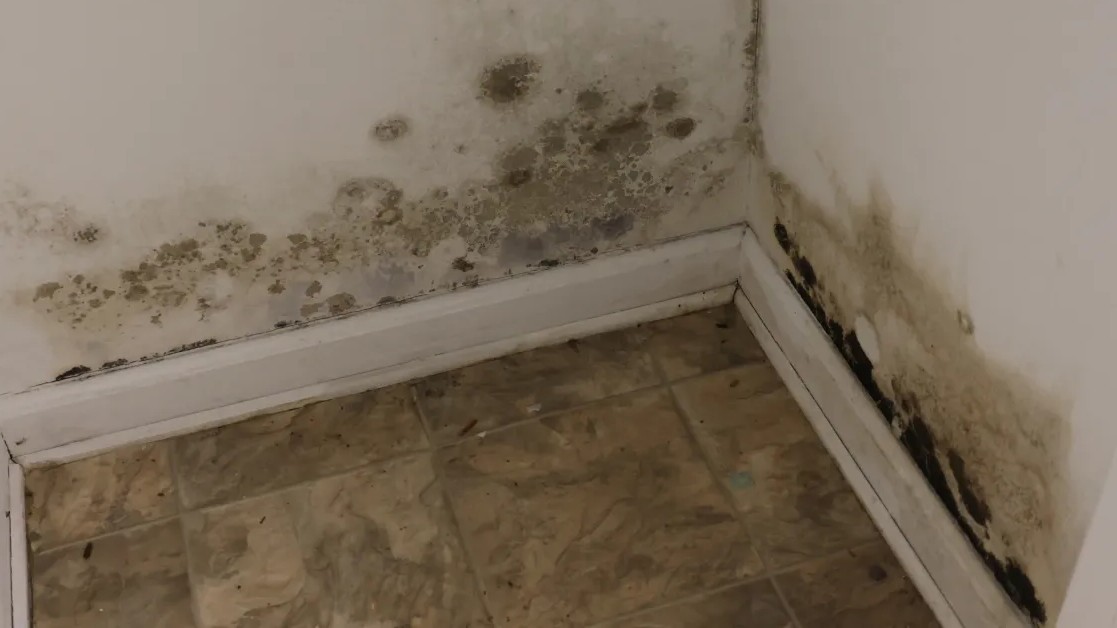
Why Ignoring It Costs More: Black Mold Insights for Homes in Weston
Black mold almost never announces itself like an emergency. That’s why it gets ignored. In Weston homes, it usually starts as a small dark patch in a bathroom corner, a faint smell near an air vent, or a spot that looks easy to wipe away. Homeowners delay action because it doesn’t feel urgent. That delay quietly turns a manageable issue into an expensive one.
We see this pattern constantly during inspections. People don’t ignore black mold because they don’t care. They ignore it because early black mold doesn’t look dangerous. The real cost shows up later, once moisture and time do their job. Let’s break down why ignoring black mold in Weston homes almost always costs more—and what actually drives those costs up.
Black Mold Isn’t the Problem by Itself
This sounds backwards, but it matters.
The Real Issue Behind Black Mold
Black mold doesn’t grow randomly. It grows because:
- Moisture stays active
- Materials stay damp
- Drying happens too slowly
In Weston homes, black mold usually signals a longer-running moisture problem, not a sudden event. Ignoring the mold means ignoring the moisture that keeps feeding it.
Why Black Mold Spreads Faster When Left Alone
Time works in mold’s favor.
What Happens When Homeowners Wait
When black mold gets ignored:
- Colonies expand deeper into materials
- Spores spread into the air
- Adjacent areas become contaminated
What could have stayed limited to surface removal often turns into cutting drywall, removing insulation, or addressing multiple rooms. The longer mold grows, the more materials it affects—and the higher the cost climbs.
Weston Homes Create Ideal Conditions for Black Mold
Local conditions matter more than people realize.
Weston-Specific Risk Factors
Homes in Weston often deal with:
- High year-round humidity
- Heavy AC usage
- Tight construction that traps air
- Attics and wall cavities that dry slowly
These conditions allow black mold to spread quietly when ignored. Mold grows faster here than in drier climates, which shortens the window for affordable fixes.
The HVAC System: Where Costs Escalate Quickly
This is where ignoring black mold gets expensive fast.
How HVAC Systems Multiply Black Mold Problems
When black mold reaches:
- Air handlers
- Evaporator coils
- Duct liners
Spores circulate every time the AC runs. That turns a localized issue into a whole-house exposure problem. Many Weston homeowners remove visible black mold in one room only to see it show up elsewhere weeks later.
Once HVAC systems get involved, costs rise sharply due to containment, filtration, and component cleaning or replacement.
Ignoring Black Mold Leads to Structural Damage
This isn’t immediate, but it’s predictable.
How Black Mold Damages Materials Over Time
Left untreated, black mold:
- Weakens drywall
- Breaks down wood framing
- Compromises insulation
- Affects flooring and subfloors
In humid environments like Weston, materials stay damp longer. Mold gets more time to degrade them. Structural involvement always costs more than cosmetic cleanup.
Health-Related Costs Add Up Too
Property damage isn’t the only expense.
What Homeowners Often Report After Delays
In Weston homes where black mold gets ignored, homeowners frequently mention:
- Persistent congestion indoors
- Allergy symptoms that don’t improve
- Headaches or fatigue
- Increased medical visits
These symptoms don’t always feel severe at first, which delays action further. Long-term exposure increases both health risks and costs.
DIY Black Mold Cleanup Often Makes Things Worse
Many homeowners try to save money early. That effort often backfires.
Why DIY Attempts Increase Final Costs
DIY cleanup typically:
- Spreads spores into the air
- Misses hidden growth
- Leaves moisture untouched
We often inspect homes after multiple cleaning attempts. By then, black mold has spread further, and professional remediation becomes far more invasive than it needed to be initially.
The Bleach Myth Costs Homeowners Money
Bleach feels like a solution. It isn’t.
Why Bleach Doesn’t Stop Black Mold
Bleach:
- Lightens surface stains
- Does not penetrate porous materials
- Does not fix moisture problems
In many Weston homes, bleach removes visible discoloration while mold continues growing underneath. That delay increases the eventual remediation scope and cost.
Black Mold Removal vs Mold Remediation: The Cost Difference Matters
These terms get confused constantly.
Why Removal Alone Costs More Long-Term
Black mold removal focuses on what you can see.
Mold remediation addresses:
- Containment
- HEPA air filtration
- Removal of contaminated materials
- Moisture correction
- Prevention
Homes that stop at removal often pay again later. Homes that complete remediation usually don’t. Paying once correctly almost always costs less than paying twice.
Attics: The Hidden Cost Driver Homeowners Miss
Attics quietly influence black mold spread.
What We Find in Weston Attics
During inspections, we frequently see:
- Damp insulation
- Condensation on roof decking
- Mold near vents
- Rusted nails and fasteners
Attic mold spreads downward over time. By the time black mold becomes visible indoors, remediation scope already expanded.
Delayed Action Increases Project Invasiveness
Early action keeps things simple.
Early vs Late Black Mold Response
Early action often involves:
- Localized removal
- Limited containment
- Minimal material replacement
Delayed action often requires:
- Wall and ceiling removal
- Flooring disruption
- HVAC system remediation
- Extended containment and filtration
Time determines which category a project falls into.
Mold Inspection Saves Money Before Costs Spiral
Inspection often feels like an extra step. It usually prevents expensive mistakes.
What Mold Inspection Prevents
Inspection helps avoid:
- Over-removal of materials
- Missing hidden growth
- Ignoring moisture sources
- Repeat black mold problems
Knowing the full scope early keeps remediation targeted and controlled.
Mold Testing: When It Adds Financial Clarity
Testing isn’t always necessary, but it can help.
When Mold Testing Makes Sense
Testing adds value when:
- Symptoms exist without visible mold
- HVAC contamination seems likely
- Indoor air quality concerns persist
- Documentation matters
Testing confirms exposure. Inspection explains the source. Together, they prevent guesswork that increases costs.
Why Weston Homes Pay More When Mold Gets Ignored
Local conditions shorten the margin for error.
Why Delays Cost More in Weston
Homes here experience:
- Slower drying
- Higher humidity pressure
- Constant HVAC operation
These factors accelerate mold growth. Waiting even a short time can significantly increase remediation scope compared to drier regions.
Warning Signs Homeowners Shouldn’t Ignore
Ignoring these signs almost always increases cost:
- Black mold returning after cleaning
- Musty odors that come and go
- Condensation on vents or walls
- Stains slowly spreading
- Allergy symptoms indoors
One sign alone might mean nothing. Patterns matter.
Practical Advice That Actually Saves Money
You don’t need panic. You need timing.
Cost-Saving Black Mold Advice
- Investigate black mold early
- Address moisture immediately
- Avoid repeated DIY cleaning
- Schedule professional inspection
- Fix causes before cosmetic cleanup
Each step limits spread and keeps costs down.
When Black Mold Requires Immediate Action
Waiting doesn’t help when:
- Mold spreads to new areas
- Moisture remains active
- HVAC systems show contamination
- Health symptoms worsen indoors
At that point, ignoring the problem almost guarantees higher costs.
Final Thoughts: Ignoring Black Mold Is the Most Expensive Choice
Black mold doesn’t become expensive because professionals overreact. It becomes expensive because time allows it to spread. For homeowners in Weston, ignoring early black mold signs almost always turns manageable problems into costly remediation projects.
Acting early keeps solutions smaller, simpler, and far less disruptive. Mold doesn’t reward waiting. It rewards moisture and time. Cut both off early, and the cost stays where it should—low.
