
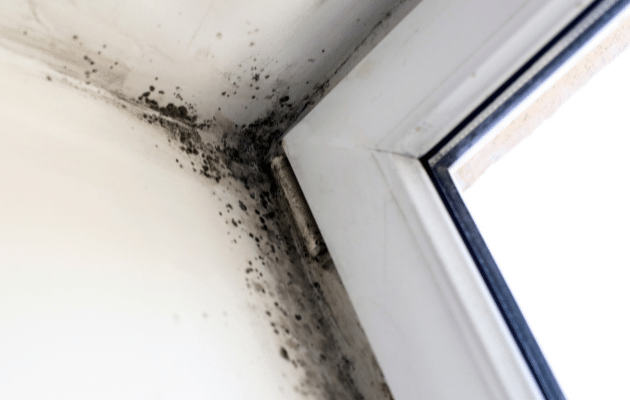
How Mold Spreads Through HVAC Systems – Lessons From Real Inspections for Homes in Lauderhill
Homeowners in Lauderhill usually assume mold spreads because a home is old, dirty, or poorly maintained. Real inspections tell a very different story. We regularly inspect clean, well-kept homes where mold spreads faster and wider than anyone expects. The common denominator almost always points to one system: the HVAC.
HVAC systems don’t create mold out of thin air, but they excel at moving it. Once mold gets access to airflow, it doesn’t stay local for long. These lessons come directly from what we see inside real Lauderhill homes—not theory, not scare tactics, just patterns that repeat over and over.
Lesson #1: HVAC Systems Don’t Cause Mold—They Distribute It
This distinction matters.
What Inspections Consistently Show
During inspections, we rarely find HVAC systems as the original mold source. Instead, we find:
- Moisture allowing mold to grow somewhere nearby
- HVAC airflow spreading spores afterward
Once spores enter the system, every room connected to ductwork becomes part of the exposure zone. That’s why homeowners see mold show up in multiple rooms even after cleaning one area.
Lesson #2: Condensation Is the Main Entry Point
Leaks get blamed. Condensation does more damage.
Why Condensation Starts Mold Spread
Inside HVAC systems:
- Warm, humid air hits cold surfaces
- Moisture condenses on coils and metal
- Water collects in drain pans and ducts
In Lauderhill homes, high humidity makes this happen constantly. If condensation doesn’t drain or dry properly, mold growth starts quietly inside the system.
Lesson #3: Air Handlers Are the Most Common Problem Area
This shows up repeatedly in inspections.
What We Find Inside Air Handlers
In many Lauderhill homes, inspections reveal:
- Mold on evaporator coils
- Slime or buildup in drain pans
- Mold on internal insulation
- Persistent moisture residue
Air handlers stay dark, damp, and rarely inspected. Once mold grows there, spores get pulled into the duct system and pushed throughout the home.
Lesson #4: Ductwork Turns Local Mold Into a Whole-House Issue
This is where mold spreads fast.
Why Duct Systems Amplify Mold
Ductwork:
- Connects every room
- Runs frequently
- Distributes air evenly
Even a small amount of mold inside ducts can create widespread exposure. Homeowners clean surfaces while the HVAC keeps reintroducing spores everywhere.
Lesson #5: Mold Often Spreads Before Homeowners Notice Anything
This catches people off guard.
Early Signs Feel Indirect
Before visible mold appears, homeowners often notice:
- Mild musty smells when AC starts
- Allergy symptoms indoors
- Dust returning quickly after cleaning
- Stuffy or heavy indoor air
These signs often appear weeks or months before mold becomes visible. By the time homeowners see it, HVAC distribution already did the hard work.
Lesson #6: Filters Help—but They Don’t Stop Mold Spread
This misconception causes false confidence.
What Air Filters Actually Do
Filters:
- Trap dust and debris
- Protect HVAC components
- Improve airflow
Filters do not:
- Kill mold
- Remove growth inside the system
- Fix moisture problems
We inspect many homes with clean filters and moldy air handlers. Filters slow debris, not mold spread.
Lesson #7: HVAC Mold Rarely Smells Strong at First
People trust their nose. Mold doesn’t cooperate.
What Inspections Reveal About Odor
Many HVAC mold cases involve:
- No strong musty odor
- No visible vent contamination
- No obvious water damage
Spores circulate silently. Smell usually appears late, not early. Waiting for odor delays investigation.
Lesson #8: HVAC Mold Makes Mold “Move” Rooms
This pattern shows up constantly.
Why Mold Appears in New Areas
Homeowners often say:
- “We cleaned that room already”
- “Why did mold show up somewhere else?”
HVAC systems don’t respect room boundaries. Once spores enter the airflow, mold can appear anywhere moisture allows it to settle and grow.
Lesson #9: DIY HVAC Mold Cleaning Often Makes Things Worse
This one hurts budgets fast.
Why DIY Attempts Backfire
DIY HVAC cleaning often:
- Dislodges spores into airflow
- Spreads contamination further
- Misses internal components
- Leaves moisture untouched
We regularly inspect Lauderhill homes after DIY fogging or spraying. Mold spread farther afterward, not less.
Lesson #10: Humidity Keeps HVAC Mold Alive
Humidity keeps mold thriving even after cleaning.
What We See in Lauderhill Homes
Homes with ongoing HVAC mold issues usually have:
- Indoor humidity above healthy levels
- Short-cycling AC systems
- Poor airflow
- Condensation forming daily
Cooling air isn’t the same as removing moisture. When humidity stays high, HVAC mold keeps coming back.
Lesson #11: HVAC Mold Explains Whole-House Symptoms
This connection shows up often.
What Homeowners Report
In homes with HVAC mold spread, homeowners often experience:
- Allergy symptoms indoors
- Respiratory irritation
- Fatigue or headaches
- Discomfort affecting every room
Symptoms don’t stay localized because exposure doesn’t either. HVAC airflow spreads spores evenly.
Lesson #12: Duct Cleaning Alone Doesn’t Stop Mold Spread
This causes confusion.
When Duct Cleaning Helps
Duct cleaning helps when:
- No active mold growth exists
- Moisture problems are fixed
- Dust buildup affects airflow
When Duct Cleaning Fails
It fails when:
- Mold grows inside air handlers
- Duct insulation stays contaminated
- Moisture remains active
Cleaning ducts without remediation often spreads spores and creates false confidence.
Lesson #13: Mold Inspection Is the Turning Point
Guessing keeps problems going.
What Mold Inspection Reveals
Professional inspection identifies:
- HVAC contamination
- Moisture sources feeding mold
- Airflow patterns spreading spores
- Connections between HVAC mold and visible growth
Inspection replaces assumptions with evidence. That’s critical for HVAC-related mold.
Lesson #14: Mold Testing Helps When HVAC Is Involved
Testing isn’t automatic, but HVAC cases often justify it.
When Mold Testing Makes Sense
Testing adds value when:
- Symptoms exist without visible mold
- HVAC contamination seems likely
- Air quality concerns persist
- Documentation matters
Testing confirms exposure. Inspection explains the spread.
Lesson #15: Mold Removal vs Mold Remediation in HVAC Systems
This distinction decides outcomes.
Why Removal Alone Fails
Removing visible mold:
- Leaves spores circulating
- Ignores HVAC contamination
- Doesn’t change moisture conditions
What Proper HVAC Mold Remediation Includes
Effective remediation involves:
- Containment to prevent spore spread
- HEPA air filtration
- Cleaning or replacing contaminated components
- Moisture correction
- Preventive treatments
Remediation works because it changes conditions, not just appearances.
Lesson #16: Lauderhill Homes Face Higher HVAC Mold Risk
Local conditions amplify the issue.
Lauderhill-Specific Factors
Homes here deal with:
- High year-round humidity
- Heavy AC usage
- Tight construction trapping air
- Attics that hold moisture
These factors allow HVAC mold to spread faster when ignored.
Lesson #17: Prevention Always Starts With Moisture
Stopping spread means disrupting mold’s needs.
Proven Prevention Steps
- Control indoor humidity
- Maintain AC drain lines
- Clean evaporator coils
- Address condensation early
- Schedule HVAC inspections
Less moisture means less mold—every time.
Warning Signs Homeowners Shouldn’t Ignore
Real inspections show these signs matter:
- Mold appearing in multiple rooms
- Musty smells when AC starts
- Allergy symptoms indoors
- Condensation on vents
- Mold returning after cleaning
Patterns matter more than single signs.
When HVAC Mold Spread Needs Immediate Attention
Waiting rarely improves outcomes.
Act Quickly When:
- Mold spreads room to room
- HVAC systems show contamination
- Symptoms worsen indoors
- Moisture remains active
At that point, delay increases both cost and exposure.
Final Thoughts: HVAC Mold Spread Follows Predictable Patterns
Mold spreading through HVAC systems doesn’t require fear tactics. It follows airflow, moisture, and time. For homeowners in Lauderhill, real inspections show one clear lesson: HVAC systems don’t create mold problems, but they make them bigger fast.
Address moisture early. Inspect HVAC systems before mold spreads. Treat causes instead of chasing symptoms. When homeowners understand how HVAC systems move mold, prevention becomes easier—and remediation becomes far less disruptive.
