
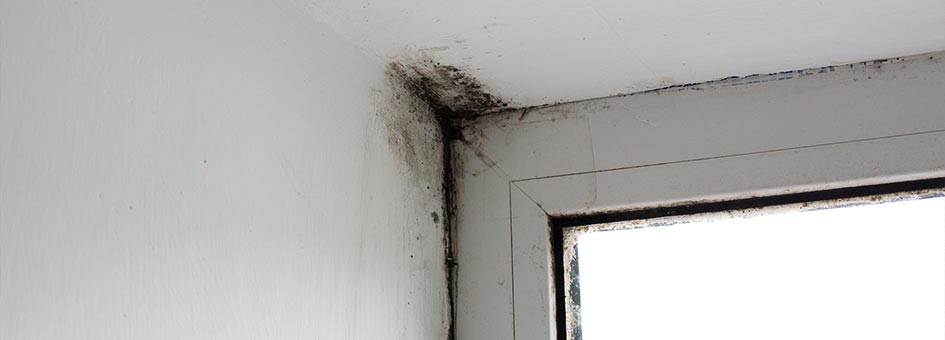
Early Warning Signs of Mold Growth – What We See Inside Homes for Homes in Hollywood
Mold rarely shows up with flashing lights and sirens. In Hollywood homes, it usually whispers first. A faint smell. A little condensation. Allergy symptoms that feel oddly worse indoors. Most homeowners ignore these early signs because nothing looks urgent. That’s understandable—and it’s also how small mold problems turn into expensive ones.
After inspecting homes across Hollywood, one thing stays consistent: mold almost always gives warnings before it spreads. The problem is that those warnings don’t look like mold at first. This guide breaks down the early signs we see most often inside real homes, long before mold becomes obvious.
Why Catching Mold Early Matters in Hollywood Homes
Hollywood’s climate doesn’t forgive delays.
Local Conditions Speed Mold Growth
Homes here deal with:
- High year-round humidity
- Coastal moisture in the air
- Heavy AC usage
- Slow indoor drying
These conditions let mold grow faster than homeowners expect. Catching early signs keeps mold from moving deeper into walls, ceilings, and HVAC systems.
Warning Sign #1: Musty Odors That Come and Go
This is one of the earliest red flags.
What That Smell Actually Means
A musty odor usually indicates:
- Hidden moisture
- Microbial growth starting
- Poor airflow in a specific area
In Hollywood homes, these smells often appear:
- When the AC first turns on
- After showers
- During humid days
If the smell disappears and returns later, mold may already be growing out of sight.
Warning Sign #2: Allergy Symptoms That Only Happen Indoors
This sign gets dismissed constantly.
Symptoms We Hear About First
Homeowners often report:
- Sneezing at home but not outside
- Nasal congestion indoors
- Itchy or watery eyes
- Scratchy throat
When symptoms improve after leaving the house, indoor air quality becomes a strong suspect. Mold often enters the picture before homeowners realize it.
Warning Sign #3: Condensation Where It Shouldn’t Be
Water doesn’t need to drip to cause problems.
Where We Commonly See Condensation
During inspections in Hollywood homes, we often find condensation:
- On AC vents
- Along windows and door frames
- On supply registers
- Inside cabinets
Persistent condensation feeds mold quietly. If surfaces regularly feel damp, mold conditions already exist.
Warning Sign #4: Mold Keeps Coming Back After Cleaning
This is a major clue.
What Recurring Mold Tells Us
When mold returns:
- Moisture remains active
- Growth exists beyond the surface
- Cleaning didn’t address the source
We see this often in bathrooms and around vents. Mold doesn’t “come back” randomly. It continues growing where cleaning didn’t reach.
Warning Sign #5: Discoloration That Slowly Spreads
Early mold doesn’t always look fuzzy.
What Early Growth Often Looks Like
Homeowners notice:
- Light stains on walls or ceilings
- Slight darkening near vents
- Yellow or brown patches
Slowly expanding discoloration often signals moisture inside materials. Mold usually follows soon after.
Warning Sign #6: Dust That Builds Up Too Quickly
This one surprises homeowners.
Why Dust Can Signal Mold
When mold grows inside HVAC systems:
- Spores mix with dust
- Particles recirculate constantly
- Surfaces get dusty fast
If dust returns quickly after cleaning, HVAC contamination becomes worth investigating.
Warning Sign #7: AC Runs Fine but the House Feels “Heavy”
Comfort changes before damage appears.
What That Heavy Feeling Suggests
Homeowners describe:
- Stale indoor air
- Difficulty feeling comfortable
- Rooms feeling damp despite AC use
This usually points to high humidity or airflow issues—both common precursors to mold growth in Hollywood homes.
Warning Sign #8: Rust, Peeling Paint, or Bubbling Surfaces
Surfaces react before mold shows.
What These Changes Indicate
We often find mold behind:
- Peeling paint
- Bubbling drywall
- Rusted metal near vents or fasteners
Moisture causes these surface changes first. Mold often grows just behind them.
Warning Sign #9: Attic Issues You Never See
Attics quietly fuel many mold problems.
What We Find During Attic Inspections
In Hollywood attics, we often see:
- Damp insulation
- Condensation on roof decking
- Mold near exhaust vents
Warm, humid air rises. Attic mold often spreads downward into ceilings and walls before homeowners notice anything inside the living space.
Warning Sign #10: HVAC Odors or Changes at Startup
Pay attention when the AC kicks on.
What That First Blast of Air Tells Us
A brief musty smell when the AC starts often means:
- Mold inside the air handler
- Moisture buildup on coils
- Contaminated drain pans
This early sign often appears months before visible mold elsewhere.
Why These Signs Get Ignored So Often
None of these warnings scream “mold.”
Why Homeowners Delay Action
- Symptoms feel mild
- Smells come and go
- No visible mold yet
- Life stays busy
Unfortunately, mold grows best when it’s ignored quietly.
Where Mold Usually Hides When These Signs Appear
Based on inspections, early growth often hides:
- Inside wall cavities
- Behind bathroom tile
- Inside HVAC systems
- Under cabinets
- In attics
By the time mold becomes visible, growth often extends well beyond one spot.
Mold Inspection: Turning Early Signs Into Answers
Inspection prevents guesswork.
What Professional Mold Inspection Does
Inspection identifies:
- Hidden mold growth
- Moisture sources
- HVAC involvement
- Risk level and spread
Early inspection often limits how invasive remediation needs to be.
Mold Testing: When Early Signs Need Confirmation
Testing isn’t always required, but it can help.
When Testing Makes Sense
Testing adds value when:
- Symptoms persist without visible mold
- HVAC contamination seems likely
- Indoor air quality concerns exist
- Documentation matters
Testing confirms exposure. Inspection explains the cause.
Mold Removal vs Mold Remediation: Why Early Signs Matter
Early signs often mean remediation stays manageable.
Early Action Usually Means:
- Smaller affected areas
- Less material removal
- Lower overall cost
- Shorter project timelines
Waiting allows mold to spread deeper, increasing both disruption and expense.
What Hollywood Homeowners Can Do Right Now
You don’t need panic. You need awareness.
Practical Early-Action Steps
- Monitor indoor humidity
- Address condensation immediately
- Pay attention to recurring smells
- Track indoor allergy symptoms
- Schedule inspections early
Each step limits mold’s ability to spread.
When Early Signs Should Trigger Immediate Action
Act quickly when:
- Multiple signs appear together
- Mold keeps returning
- HVAC odors persist
- Symptoms worsen indoors
Patterns matter more than single warnings.
Final Thoughts: Mold Always Whispers Before It Shouts
In Hollywood homes, mold almost never starts as a crisis. It starts with subtle signals most people overlook. Those early warning signs exist to give homeowners time to act before costs rise.
Pay attention to changes. Trust patterns, not just appearances. Investigate early. When homeowners respond to early warning signs instead of waiting for visible mold, solutions stay simpler, cheaper, and far less disruptive—and that’s the outcome everyone wants.
