
Early Warning Signs of Mold Growth – Real Risks, Not Fear Tactics for Homes in Deerfield Beach
Ever noticed a faint musty smell and thought, It’s probably nothing? Sometimes it really is nothing—but sometimes it’s the first sign of moisture hiding nearby.
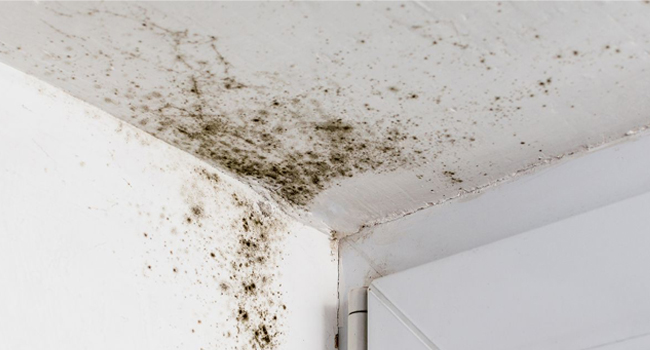
The Reality About Mold: What’s Risky and What Isn’t
Not every discoloration means toxic mold, and not every damp spot turns into a major remediation project. The real risk comes from persistent moisture that goes unnoticed.
Here’s the balanced truth:
- A small surface spot in a bathroom may stay minor if humidity gets controlled.
- Hidden moisture inside walls can quietly spread mold for months.
- Odors and humidity often matter more than visible stains.
In other words, mold risk depends on moisture and time, not just appearance.
IMO, the biggest mistake homeowners make is ignoring early clues—not overreacting to small ones.
The First Warning Sign Most People Notice: Smell
Musty odors usually appear before visible mold.
You might notice it:
- When the AC turns on
- Inside closets
- Near sinks or bathrooms
- After rainy weather
If the smell disappears, people assume the problem disappeared too. But mold odors often come and go depending on humidity levels.
Ask yourself this: why would a room smell damp if everything looks dry?
Subtle Changes on Walls and Ceilings
Mold rarely appears instantly. Moisture affects materials first.
Early Surface Clues
Look for:
- Paint bubbling or peeling
- Small stains that slowly grow
- Slight discoloration
- Hairline cracks near damp areas
These signs don’t always mean mold is already present—but they often mean moisture exists, and moisture creates mold conditions.
Warped Trim and Baseboards
Wood absorbs moisture quickly. When baseboards swell or separate slightly from walls, moisture often sits behind them.
Many homeowners assume normal wear causes this, but inspections often reveal elevated moisture levels behind those areas.
And moisture plus time equals mold. Simple as that.
HVAC and Air Duct Clues Most People Miss
In Deerfield Beach homes, air conditioning runs almost year-round. That creates condensation, which sometimes leads to hidden moisture problems.
Early HVAC Warning Signs
Watch for:
- Musty smells when the AC starts
- Rust or discoloration near vents
- Dust sticking to vent covers
- Damp insulation near air handlers
These clues don’t mean disaster—but they do mean it’s worth investigating.
FYI, duct-related moisture spreads mold faster than most homeowners expect because airflow moves spores throughout the home.
Bathrooms and Laundry Rooms: High-Risk Areas
Bathrooms and laundry rooms produce daily humidity, which increases mold risk.
Early Signs in These Areas
Look for:
- Dark spots forming on caulking
- Peeling paint near ceilings
- Condensation lingering on walls
- Musty smells in cabinets
Poor ventilation causes many of these issues. Exhaust fans that don’t remove moisture effectively allow humidity to settle into drywall and wood.
Ever walked into a bathroom long after a shower and still felt damp air? That’s a warning sign worth paying attention to.
What Real Inspections Often Reveal
Here’s something homeowners often find surprising: during mold inspection and mold testing, we frequently discover moisture before visible mold appears.
Common Early Findings
We regularly see:
- Elevated moisture behind drywall
- Damp insulation in attics
- Condensation near windows
- Moisture inside AC closets
Homes can look perfectly clean while hidden moisture quietly creates ideal mold conditions.
That’s why inspection matters—because eyes alone don’t tell the full story.
Why Deerfield Beach Homes Face Mold Risks
Climate plays a big role.
Homes in Deerfield Beach often experience:
- High humidity most of the year
- Frequent rainstorms
- Salt-air exposure near the coast
- Heavy AC usage
Warm humid air enters homes daily. When that air meets cooler indoor surfaces, condensation forms. That moisture often collects in walls, ceilings, and ducts.
And yes, even newer homes can develop mold when humidity control isn’t balanced properly.
Mold Removal vs Mold Remediation: Understanding the Difference
Many homeowners assume cleaning visible mold solves the problem. Sometimes it does—but not always.
Mold Removal
Removal focuses on:
- Cleaning visible mold
- Removing contaminated materials
Mold Remediation
Remediation includes:
- Identifying moisture sources
- Drying affected areas
- Treating surfaces
- Preventing regrowth
Remediation addresses the cause, not just the symptom. That’s what prevents mold from returning.
Skipping moisture control almost guarantees recurring problems.
Real Risks Homeowners Should Take Seriously
Let’s separate facts from fear.
Real Risks
- Hidden moisture spreading inside walls
- Mold affecting indoor air quality
- Structural materials weakening over time
Not Always a Major Risk
- Small, isolated spots that get treated quickly
- Surface mildew in bathrooms with improved ventilation
Balanced information helps homeowners make smarter decisions without unnecessary panic.
Practical Steps to Catch Mold Early
You don’t need special equipment to notice early warning signs. A few habits make a big difference.
Start here:
- Check under sinks monthly
- Inspect AC closets periodically
- Keep indoor humidity below 60%
- Use bathroom exhaust fans after showers
- Schedule periodic mold inspection and duct cleaning
These simple steps often prevent larger remediation projects later.
Mold Patterns Across Broward County
Early warning signs appear in homes throughout the region, not just Deerfield Beach. We regularly see similar conditions in:
- Coral Springs
- Plantation
- Tamarac
- Pembroke Pines
- Sunrise
- Davie
Humidity and heavy AC usage create similar moisture patterns across Broward County.
And honestly, some of the nicest homes hide the most moisture problems—because everything looks fine on the surface.
Final Thoughts: Pay Attention, Don’t Panic
Mold problems rarely appear overnight, and they rarely require panic. What matters most is paying attention to small clues—smells, damp spots, or subtle surface changes—and acting early when something seems off.
Regular mold inspection, mold testing, mold removal, and mold remediation help homeowners in Deerfield Beach and across Broward County protect indoor air quality and prevent small moisture issues from becoming bigger repairs.
