
Moisture Problems Most Homeowners Miss – Facts vs Common Myths for Homes in Pompano Beach
Ever walked into a room and noticed a faint musty smell, then shrugged it off because everything looked dry? That’s exactly how many mold stories begin.
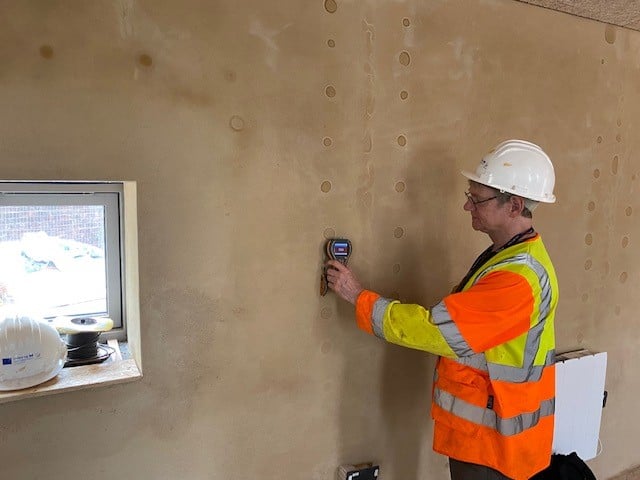
Why Moisture Causes More Problems Than People Expect
Water damage from a flood or major leak gets attention fast. But small, hidden moisture problems cause more mold growth than large disasters—mostly because people don’t notice them early.
Moisture doesn’t need to be visible to cause damage. Drywall, wood, and insulation absorb water quietly, and mold begins growing long before stains appear.
IMO, the biggest issue isn’t moisture itself—it’s how often people underestimate it.
Myth #1: “If I Don’t See Water, There’s No Moisture Problem”
This myth causes countless mold cases.
The Facts
Moisture often hides in places homeowners rarely inspect:
- Behind drywall
- Under flooring
- Around windows
- Inside AC systems
- Behind cabinets and vanities
These areas trap humidity and limit airflow, which mold loves.
I once inspected a home in Pompano Beach where a slow leak behind a kitchen cabinet caused mold inside two walls. The homeowner never saw water—only a faint odor that came and went.
Ask yourself this: how often do you check behind appliances or inside an AC closet?
Myth #2: “Humidity Is Normal in Florida, So It’s Not a Problem”
Yes, Florida is humid. But high indoor humidity isn’t harmless.
The Facts
When indoor humidity rises above 60%, the risk of mold growth increases significantly.
High humidity can:
- Feed mold growth
- Warp wood and trim
- Cause paint to peel
- Create condensation on walls and ducts
Air conditioning helps, but it doesn’t always remove enough moisture, especially during rainy months.
FYI, some of the worst moisture readings I’ve seen happened in homes where the AC ran all day.
Myth #3: “A Musty Smell Is Harmless”
A musty smell rarely appears without a reason.
The Facts
That odor usually indicates:
- Hidden moisture
- Early mold growth
- Poor ventilation
- Damp insulation or ductwork
Smells often appear before visible mold forms. Ignoring them gives moisture more time to spread.
Ever noticed an odor when the AC starts that disappears after a minute? That’s often a warning sign, not a coincidence.
The HVAC System: A Hidden Moisture Source
Many homeowners never think of HVAC systems as moisture risks, but inspections tell a different story.
Common HVAC Moisture Issues
We frequently find:
- Condensation around evaporator coils
- Clogged drain lines
- Damp duct insulation
- Air leaks pulling humid air inside
When mold develops inside ductwork, spores can circulate throughout the entire home.
That’s why mold inspection and mold testing often include HVAC checks.
Where Moisture Problems Often Start
After years of inspections across Broward County, certain areas consistently show early moisture buildup.
High-Risk Locations
Watch these spots closely:
- Air handler closets
- Attics with poor ventilation
- Bathrooms and laundry rooms
- Under sinks
- Around window frames
These areas combine humidity, temperature differences, and limited airflow—perfect conditions for mold.
Surprised how often closets make this list? Most homeowners are.
Why Coastal Conditions Make Moisture Worse in Pompano Beach
Living near the coast has benefits, but it also increases moisture exposure.
Homes in Pompano Beach often experience:
- High outdoor humidity
- Salt-air exposure
- Frequent summer storms
- Heavy AC usage
Warm humid air enters homes daily, and when it meets cooler surfaces, condensation forms.
That moisture often collects quietly in walls and ceilings where nobody sees it.
Mold Inspection and Mold Testing: Why They Matter
Some homeowners wait until mold becomes visible before calling professionals. That delay often allows moisture problems to spread.
Mold inspection identifies moisture sources and conditions that allow mold to grow.
Mold testing measures airborne spores and indoor air quality.
Testing often reveals hidden contamination long before visible mold appears.
Would you rather guess what’s happening behind your walls—or know for sure?
Mold Removal vs Mold Remediation: What Most People Get Wrong
People often think cleaning visible mold solves the problem. That’s only part of the process.
Mold Removal
Removal focuses on:
- Cleaning visible mold
- Removing contaminated materials
Mold Remediation
Remediation includes:
- Finding moisture sources
- Drying affected areas
- Treating surfaces
- Preventing regrowth
Remediation solves the cause, not just the symptoms. That’s why mold returns when moisture problems remain.
Skipping moisture control almost guarantees recurring mold.
Early Warning Signs Most Homeowners Miss
Moisture problems usually give clues before major damage appears.
Signs You Should Never Ignore
Watch for:
- Musty odors
- Paint bubbling or peeling
- Warped baseboards
- Damp or cool spots on walls
- Allergy symptoms worsening indoors
These signs often appear weeks before visible mold develops.
I’ve seen homeowners save thousands simply by investigating these clues early 🙂
Moisture Patterns Across Broward County
Moisture issues don’t affect just one city. We regularly see similar conditions in:
- Pompano Beach
- Deerfield Beach
- Coral Springs
- Plantation
- Sunrise
- Fort Lauderdale
Humidity and AC usage create similar moisture patterns across the region.
And yes, sometimes the cleanest homes hide the most moisture problems—that irony never gets old.
Practical Steps to Reduce Moisture Risk
Homeowners can reduce moisture problems with simple habits.
Start with these steps:
- Keep indoor humidity below 60%
- Inspect under sinks monthly
- Service HVAC systems annually
- Use exhaust fans after showers
- Schedule periodic mold inspection and duct cleaning
These habits don’t eliminate every risk, but they significantly reduce the chances of mold growth.
Final Thoughts: Facts Beat Myths Every Time
Moisture problems rarely fix themselves. They spread quietly, feed mold, and slowly damage materials long before obvious signs appear. Understanding the facts—and ignoring the myths—helps homeowners act early and avoid expensive repairs.
Regular mold inspection, mold testing, mold removal, and mold remediation help homeowners in Pompano Beach and across Broward County protect their homes, indoor air quality, and long-term property value.
