
Moisture Problems Most Homeowners Miss – What Most People Get Wrong for Homes in Deerfield Beach
Moisture problems rarely look dramatic at first. Most of the time, they hide quietly—behind a wall, under flooring, or inside an AC closet—while everything on the surface looks perfectly normal. I’ve seen this again and again in homes across Deerfield Beach and throughout Broward County, and the biggest issue isn’t always the moisture itself. It’s what people misunderstand about it.
Ever noticed a faint musty smell and assumed it was just humidity? That assumption causes more mold problems than most homeowners realize.
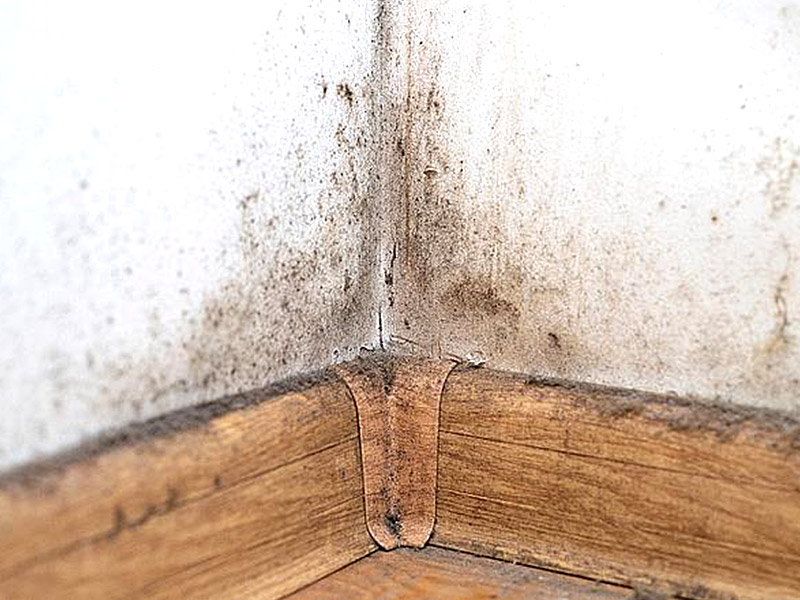
The Biggest Misconception: “If I Don’t See Water, There’s No Problem”
This misunderstanding causes countless mold issues.
Many homeowners look only for visible leaks or standing water. But in reality, hidden moisture causes most mold growth. Water can sit inside drywall, insulation, or flooring for weeks without obvious signs.
I once inspected a Deerfield Beach home where a slow pipe drip inside a wall caused mold across an entire section of drywall. The homeowner never saw water—only a faint smell that came and went.
Where Hidden Moisture Often Develops
Moisture commonly hides in:
- Behind bathroom walls
- Around air handlers
- Under laminate flooring
- Inside attics
- Around window frames
These areas trap humidity and limit airflow, which mold loves.
Ask yourself this: when was the last time you checked behind a cabinet or inside an AC closet?
What Most People Get Wrong About Humidity
People often assume indoor humidity doesn’t matter as long as the AC runs. That’s not always true.
Air conditioning cools the air, but humidity can still remain high—especially during Florida summers.
Why Humidity Matters
High humidity can:
- Feed mold growth
- Warp wood and trim
- Cause paint to peel
- Create condensation inside walls
Indoor humidity above 60% dramatically increases mold risk. That number surprises many homeowners.
IMO, humidity causes more long-term mold problems than major leaks because people don’t notice it early.
The HVAC System: The Most Overlooked Moisture Source
Many homeowners never think about their HVAC system as a moisture source, but inspections tell a different story.
Common HVAC Moisture Issues
We frequently find:
- Condensation near evaporator coils
- Clogged drain lines
- Damp insulation around ducts
- Air leaks pulling humid air inside
When moisture builds inside ductwork, mold spores can circulate throughout the home. That’s why duct inspections often play a role in mold inspection and mold testing.
Ever noticed a musty smell right when the AC starts but disappears after a few minutes? That’s often the first warning sign.
Small Leaks Cause Bigger Problems Than Big Ones
Here’s something that surprises homeowners: small leaks often cause more mold damage than major floods.
Why? Because people act quickly after floods but ignore slow leaks for months.
Common Sources of Slow Moisture Problems
We often see moisture coming from:
- Dripping plumbing connections
- Roof flashing gaps
- AC condensation lines
- Appliance hoses
These leaks release small amounts of water over long periods. That steady moisture creates ideal mold conditions.
FYI, a drip every few seconds can release gallons of water over time.
Why Mold Inspection and Mold Testing Matter
Many homeowners wait until mold becomes visible before taking action. By that point, moisture often spreads far beyond the original area.
Mold inspection identifies moisture sources and risk areas early.
Mold testing measures airborne spores and indoor air quality.
Testing often reveals hidden mold long before it appears on walls or ceilings.
Would you rather guess what’s happening inside your walls—or know for sure?
What We Commonly See Inside Homes in Deerfield Beach
After years of inspections, certain patterns appear again and again.
The Most Frequent Findings
We regularly discover:
- Moisture trapped behind baseboards
- Elevated humidity in closets
- Condensation near windows
- Damp insulation in attics
These conditions often exist long before mold becomes visible.
I’ve walked through homes where everything looked spotless, yet moisture readings showed clear risk for mold growth within weeks.
Why Coastal Conditions Make Moisture Worse
Deerfield Beach homes deal with environmental factors that increase moisture risk.
Local Conditions That Contribute
Homes in this area often experience:
- High humidity year-round
- Frequent summer storms
- Salt-air exposure near the coast
- Heavy AC usage
Warm, humid air enters homes daily. When that air meets cooler surfaces, condensation forms.
That moisture often settles inside walls, ceilings, and ducts—out of sight but not harmless.
Mold Removal vs Mold Remediation: What Homeowners Should Know
People often assume cleaning visible mold solves the problem. It rarely does.
Mold Removal
Removal focuses on:
- Cleaning visible mold
- Removing contaminated materials
Mold Remediation
Remediation includes:
- Finding moisture sources
- Drying affected areas
- Treating surfaces
- Preventing regrowth
Remediation fixes the cause. Removal addresses the symptoms. That difference determines whether mold returns.
Skipping moisture control almost guarantees recurring problems.
Early Warning Signs Most Homeowners Overlook
Moisture problems usually give small clues before major damage appears.
Signs You Should Never Ignore
Watch for:
- Musty odors
- Paint bubbling or peeling
- Warped baseboards
- Damp or cool walls
- Allergy symptoms worsening indoors
These signs often appear weeks before visible mold develops.
I’ve seen homeowners save thousands simply by investigating these early clues.
Moisture and Mold Across Broward County
Moisture problems don’t affect just one city. We regularly see similar conditions in:
- Deerfield Beach
- Coral Springs
- Tamarac
- Plantation
- Fort Lauderdale
- Pembroke Pines
Humidity and AC usage create similar moisture patterns across the region.
And honestly, some of the cleanest homes hide the most moisture issues—funny how that works 🙂
Practical Steps to Prevent Moisture Problems
Homeowners can reduce moisture risks with simple habits.
Start here:
- Keep indoor humidity below 60%
- Inspect under sinks monthly
- Service HVAC systems annually
- Use exhaust fans after showers
- Schedule periodic mold inspection and duct cleaning
These steps don’t eliminate every risk, but they dramatically reduce the chances of mold growth.
Final Thoughts: Small Moisture Problems Rarely Stay Small
Moisture problems don’t fix themselves. They spread quietly, feed mold, and slowly damage materials long before obvious signs appear.
Regular mold inspection, mold testing, mold removal, and mold remediation help homeowners in Deerfield Beach and across Broward County protect their homes, indoor air quality, and long-term property value.
