
Mold testing gets misunderstood fast especially in places like Hollywood, where beautiful homes, ocean air, aging plumbing, and high humidity can all play a role in indoor moisture issues.
Homeowners often hear mixed advice. Some are told testing is unnecessary. Others are told to test immediately at the first sign of a problem. The truth lives somewhere in the middle.
Let’s slow down and clear up the confusion because when it comes to mold, reacting emotionally can cost you money, while ignoring it can cost you far more.
Why Mold Testing Gets So Confusing
Mold is emotional. It’s tied to health fears, property value, and the safety of your home. That makes it easy for myths to spread.
Some people assume:
- If you don’t see mold, it’s not there.
- Testing is just a sales tactic.
- A lab report is more important than a physical inspection.
None of those are fully true.
Mold testing is a tool. When used correctly, it adds clarity. When used incorrectly, it adds confusion.
Let’s walk through the most common myths.
Myth #1: You Only Test When You See Mold
This is probably the biggest misconception.
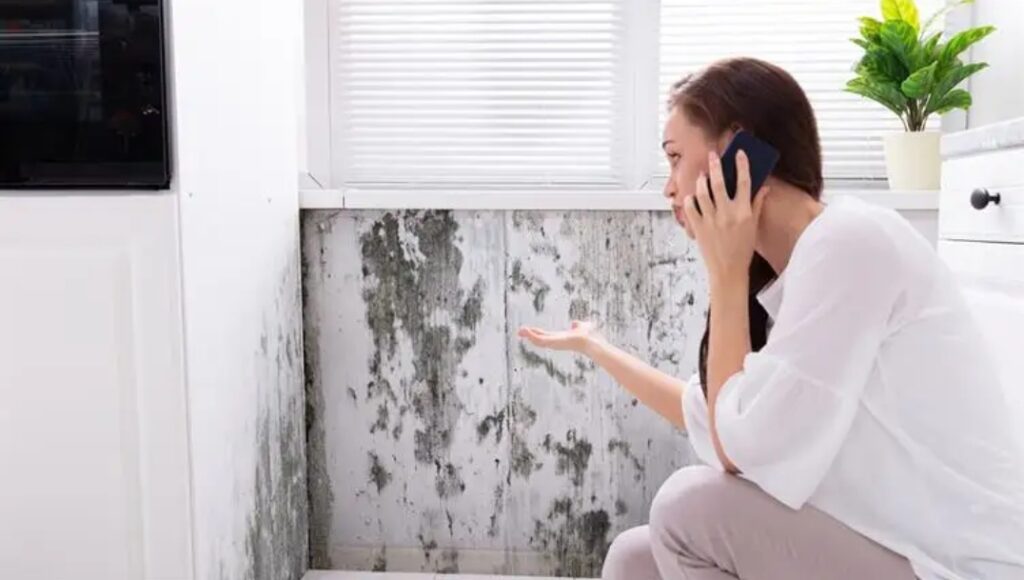
Visible mold is actually the late stage of a moisture problem. By the time you can see growth on walls, ceilings, or baseboards, the issue has usually been present for a while.
In many Hollywood homes, mold is often hidden:
- Behind drywall after slow plumbing leaks
- Under flooring from appliance failures
- Inside wall cavities from roof leaks
- Within HVAC systems that circulate moisture
Testing can detect elevated airborne mold spores even when surfaces look perfectly clean. That’s important, because mold often spreads invisibly before it becomes obvious.
If you’re waiting for black spots to appear before testing, you may already be late to the problem.
Myth #2: Mold Testing Is Just Guesswork
Some homeowners believe mold testing is subjective. It’s not.
Professional mold testing typically involves:
- Collecting indoor air samples
- Collecting outdoor control samples
- Measuring spore counts per cubic meter
- Comparing species types indoors vs. outdoors
This comparison matters. Mold exists everywhere in nature. The question isn’t “Is there mold?”
The real question is:
Are indoor levels elevated compared to normal outdoor levels?
If indoor air contains higher concentrations or species that don’t commonly appear outdoors that’s a strong indicator of indoor growth.
Testing isn’t guesswork. It’s data-driven analysis interpreted by trained professionals.
Myth #3: Mold Testing Replaces Inspection
This is where many people get it wrong.
Testing does not replace a thorough inspection.
An experienced inspector will:
- Look for moisture intrusion
- Use moisture meters
- Check humidity levels
- Examine attics, crawlspaces, and HVAC systems
- Identify staining, leaks, and condensation issues
Testing works best after inspection not instead of it.
Think of inspection as identifying the “why,” and testing as measuring the “how much.”
When both are used together, they tell a complete story.
What Mold Testing Actually Reveals
When done properly, mold testing helps uncover things you cannot see with the naked eye.
1. Hidden Contamination
Air samples can reveal mold activity behind walls or under flooring—even when surfaces appear normal.
2. HVAC Involvement
If spores are being distributed through vents, testing may show consistent elevation throughout the home. That can indicate the HVAC system is spreading contamination.
3. Exposure Levels
Testing provides measurable spore counts. This helps determine whether the environment is within normal ranges or significantly elevated.
4. Post-Remediation Effectiveness
After mold removal, testing confirms whether airborne levels have returned to normal. Without testing, you’re simply assuming the cleanup worked.
Appearance alone can lie. A freshly painted wall may hide an unresolved moisture problem. A musty smell may indicate something deeper than surface staining.
Testing brings clarity to what your eyes can’t detect.
When Mold Testing Matters Most
There are three situations where mold testing is especially valuable:
After an Inspection
If an inspector suspects hidden growth but can’t confirm it visually, testing helps verify whether mold activity is affecting indoor air.
Before Removal
Testing establishes a baseline. That way, after remediation, results can be compared to confirm improvement.
After Remediation
This is often called “clearance testing.” It verifies the space has returned to normal spore levels before rebuilding begins.
Skipping testing in these moments can lead to either overreacting or underreacting.
The Real Risk: Assumptions
In high-value areas like Hollywood, assumptions can be expensive.
Some homeowners panic at the first sign of discoloration and overpay for unnecessary work.
Others dismiss subtle warning signs and delay action until damage spreads.
Mold testing replaces emotional reactions with measured data.
It answers:
- Is there active mold growth?
- Is the air quality affected?
- Has remediation actually worked?
Without testing, decisions are based on guesswork.
Final Thoughts
Mold testing isn’t magic and it isn’t a scam. It’s a diagnostic tool.
When used correctly, it:
- Prevents unnecessary demolition
- Confirms real problems
- Protects indoor air quality
- Provides peace of mind
In Hollywood homes, where moisture, climate, and property value intersect, clarity matters.
The key is understanding that mold testing is part of a process not a standalone solution.
When inspection and testing work together, assumptions disappear and smart decisions follow.
If you’re dealing with a possible mold issue, don’t rely on myths. Rely on information.
