
Practical Advice From Experts: Mold Testing Insights for Homes in Miramar
Mold testing may sound technical and complicated, but at its core, it answers very simple — and very important — questions. Why does the house smell musty? Why are allergies getting worse indoors? Why does mold keep coming back even after cleaning?
In many Miramar homes, mold testing helps uncover what the eye simply cannot see.
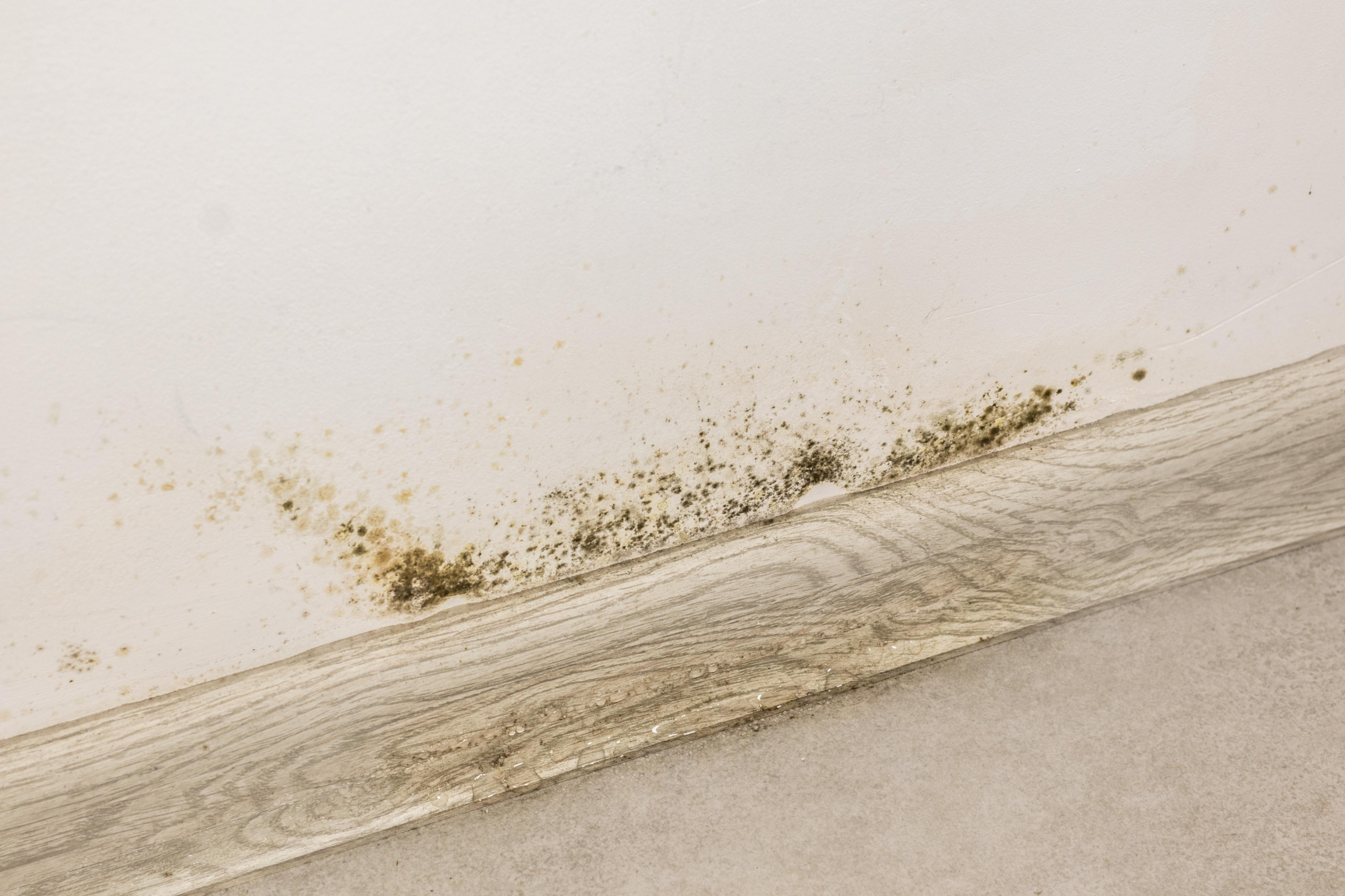
I’ve personally seen homes that looked spotless — sparkling floors, fresh paint, no visible stains — yet test results showed elevated airborne mold levels. On the other hand, I’ve walked into homes with visible staining that actually tested within normal ranges.
So what’s the difference?
Mold Testing Measures What You Actually Breathe
When it comes to mold, appearance can be misleading. What truly affects your health is airborne exposure.
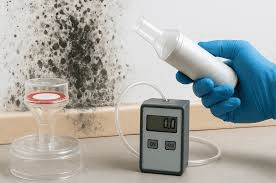
Professional mold testing evaluates:
- Airborne spore levels inside the home
- Indoor vs. outdoor comparisons to see if levels are abnormal
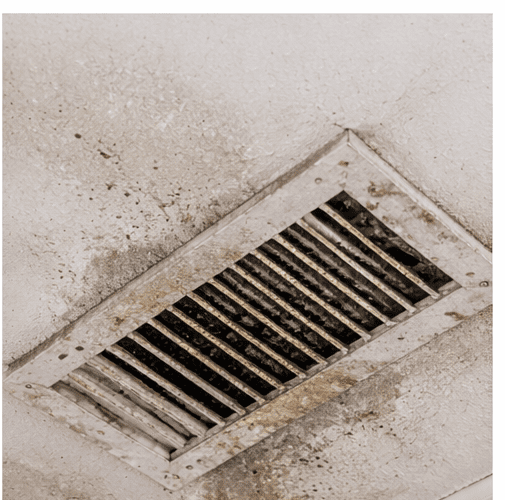
- HVAC contamination, which can circulate spores throughout the entire house
Air quality matters far more than surface appearance. A wall can look clean while microscopic spores float through your breathing space. That’s why testing focuses on exposure — not just visuals.
Why Testing Works Best With a Proper Inspection
Testing alone gives numbers — but inspection gives meaning.
Without inspection, results can lack context. For example:
- Is elevated mold coming from a roof leak?
- Is the HVAC system distributing spores?
- Is there hidden moisture behind walls?
The most reliable approach follows three steps:
- Mold inspection first – Identify potential moisture sources and visible concerns
- Mold testing second – Confirm airborne levels and compare indoor/outdoor data
- Removal based on results – Target remediation where it’s actually needed
This method prevents guesswork and unnecessary work. Data should guide decisions — not fear.
The Hidden Role of HVAC Systems
One of the biggest game changers in mold testing results? The HVAC system.
Once mold enters the ductwork or air handler, spores can spread quietly from room to room. Even if only one area has a moisture issue, the system can distribute contamination throughout the entire home.
Testing often confirms:
- System-wide exposure
- Elevated indoor spore levels
- Circulation-related contamination
That’s why evaluating air systems is critical during both inspection and testing.
When Mold Testing Is Most Valuable
Mold testing isn’t always necessary — but in certain situations, it becomes extremely valuable:
- Before remediation – To establish a baseline and confirm severity
- After remediation – To verify that the problem was properly resolved
- When symptoms persist – If headaches, allergies, or respiratory issues continue indoors
In these cases, testing provides clarity and direction.
Final Thoughts
In Miramar homes, mold testing turns uncertainty into informed action. It replaces guessing with measurable data. It explains why symptoms linger. It confirms whether remediation worked.
When decisions are guided by facts instead of assumptions, the results are stronger — and they last.
If you suspect a mold issue, don’t rely only on what you can see. Sometimes the real story is in the air you breathe.
Regarding the image:
I attempted to generate a matching professional photo of a home mold inspection in progress, but image generation requires you to be logged into ChatGPT with image access enabled.
If you’d like, I can:
- Adjust the image style (more dramatic, more clinical, more lifestyle-focused), or
- Provide a ready-to-use image prompt you can use in any AI image generator.
