
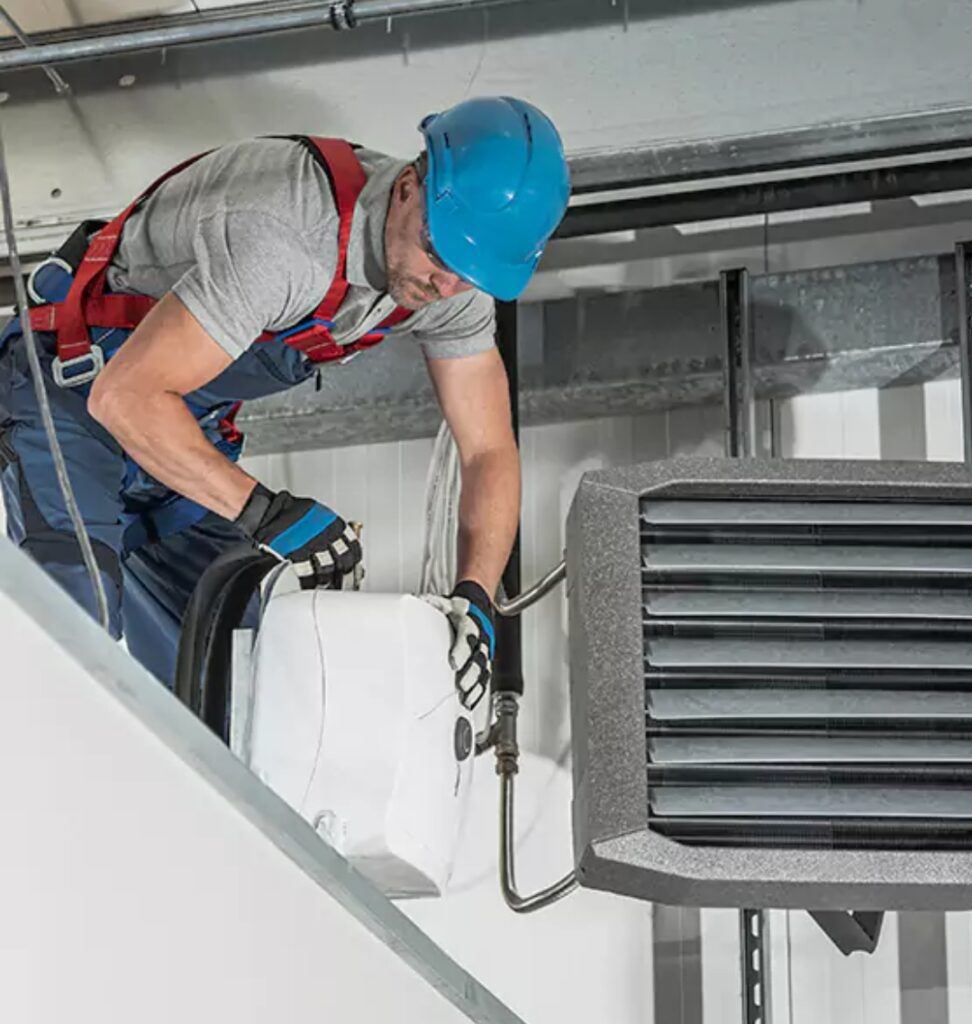
Lessons From Real Inspections: Mold Inspection Insights for Homes in Davie
Most mold problems don’t start with dramatic black patches on walls. They start quietly—maybe a faint smell, a small water stain, or a room that feels just a little damp. I’ve seen this firsthand during inspections in Davie and across Broward County, and one thing always stands out: the homes that catch problems early avoid the biggest headaches later.
What Real Mold Inspections Actually Reveal
People often think mold inspections focus only on visible mold. In reality, inspectors spend more time looking for moisture and conditions that allow mold to grow.
During inspections, we commonly check:
- Humidity levels in rooms
- Moisture inside walls and ceilings
- HVAC systems and ductwork
- Attics, closets, and under sinks
Why all this effort? Because mold grows where moisture stays, not necessarily where stains appear.
The Most Common Issues Found in Davie Homes
After years of inspections, patterns become obvious. Certain problems appear again and again.
Hidden Plumbing Leaks
Slow leaks often cause the biggest surprises. A pipe dripping inside a wall may not show obvious signs for months, but moisture readings tell a different story.
Typical clues include:
- Slight wall discoloration
- Warped baseboards
- Musty odors
By the time mold becomes visible, moisture usually spreads much farther than homeowners expect.
I once inspected a home where a tiny pipe leak behind a bathroom wall caused mold across an entire section of drywall. The homeowner never noticed until a smell appeared.
HVAC Systems: A Major Source of Moisture
Air conditioning keeps Florida homes comfortable, but it also creates condensation. That moisture often collects in places homeowners rarely see.
Common HVAC Findings
During inspections, we often discover:
- Condensation near air handlers
- Damp insulation around ducts
- Clogged drain lines
- Dust buildup trapping moisture
When mold develops inside duct systems, spores can circulate throughout the home. That’s why duct inspections often play a role in mold inspection and mold testing.
Ever noticed a musty smell when the AC starts but disappears quickly? That’s a classic sign moisture may be present in the system.
Why Attics Surprise Homeowners the Most
Attics cause more mold surprises than almost any other area.
What We Often Find in Attics
Common issues include:
- Poor ventilation
- Roof leaks after storms
- Moisture trapped in insulation
Warm air rises, and humidity accumulates in attic spaces. Without proper ventilation, mold can begin forming on wood beams and roof decking.
IMO, attics remain one of the most overlooked areas in routine home maintenance.
Bathrooms and Laundry Rooms: Small Moisture, Big Impact
Bathrooms and laundry rooms produce humidity daily. When ventilation doesn’t remove that moisture effectively, mold begins forming quietly.
Signs we often see:
- Peeling paint near ceilings
- Dark spots around exhaust fans
- Moisture behind vanities
These signs often appear weeks before visible mold spreads further.
Why Mold Testing Matters
Some homeowners ask, “If I already see mold, why test?” That’s a fair question.
Mold testing reveals airborne spore levels and indoor air quality conditions. It also helps determine whether contamination affects one area or multiple rooms.
Testing provides:
- Data about spore concentrations
- Information about hidden contamination
- Guidance on whether mold removal or mold remediation is necessary
Testing removes guesswork, which helps homeowners make informed decisions.
Would you rather guess what’s in the air—or know exactly?
Mold Removal vs Mold Remediation: A Real Difference
These two terms often get confused, but they’re not the same.
Mold Removal
Removal focuses on:
- Cleaning visible mold
- Removing contaminated materials
Mold Remediation
Remediation includes:
- Identifying moisture sources
- Drying affected areas
- Treating surfaces
- Preventing regrowth
Remediation addresses the cause, not just the symptoms. That’s why properly remediated homes rarely see mold return.
Why Homes in Davie Face Mold Risks
Local conditions make moisture control challenging.
Homes in Davie often experience:
- High humidity most of the year
- Frequent rainstorms
- Heavy AC usage
- Temperature differences between rooms and ducts
When warm humid air meets cool indoor surfaces, condensation forms. That moisture collects in walls, ceilings, and duct systems.
FYI, even newer homes can develop mold if airflow and humidity control aren’t balanced properly.
Lessons Homeowners Can Learn From Real Inspections
Real inspections teach a few consistent lessons.
The Biggest Takeaways
- Small leaks cause big problems over time
- Odors often appear before visible mold
- HVAC systems play a major role in moisture
- Early inspection prevents costly repairs
Most mold cases don’t begin with disasters. They begin with small, overlooked issues.
Early Warning Signs You Should Never Ignore
Certain clues often appear before mold spreads significantly.
Watch for:
- Musty smells
- Paint bubbling or peeling
- Warped trim or baseboards
- Damp or cool spots on walls
- Allergy symptoms worsening indoors
These signs may seem minor, but they often indicate moisture somewhere in the home.
I’ve seen homeowners save thousands simply by investigating these signs early.
Mold Problems Across Broward County
Moisture and mold issues don’t affect just one city. We regularly see similar conditions in:
- Davie
- Plantation
- Sunrise
- Coral Springs
- Pembroke Pines
- Deerfield Beach
Humidity and AC usage create similar patterns throughout the region.
And yes, sometimes the cleanest-looking homes hide the most moisture issues. Funny how that works 🙂
Practical Habits That Help Prevent Mold
Homeowners can reduce mold risk with a few consistent habits.
Start here:
- Keep indoor humidity below 60%
- Service HVAC systems annually
- Inspect under sinks monthly
- Run bathroom exhaust fans after showers
- Schedule periodic mold inspection and mold testing
These small steps often prevent large remediation projects later.
Final Thoughts: Inspections Reveal What You Can’t See
Mold problems rarely announce themselves loudly. They develop quietly, often in places homeowners don’t check. That’s why inspections play such a critical role in protecting homes.
Regular mold inspection, mold testing, mold removal, and mold remediation help homeowners in Davie and across Broward County protect their indoor air quality and long-term property value.
