
Practical Advice From Experts: Mold Removal Insights for Homes in Lauderhill
Mold problems rarely start as emergencies. Most of the time, they begin with something small—a damp corner, a faint smell, or a minor leak that seems harmless. I’ve seen this pattern again and again in homes across Lauderhill and other Broward County cities, and the same question always comes up: How did it get this bad so fast?
Truth is, mold doesn’t wait for convenient timing. Once moisture shows up, mold gets to work.
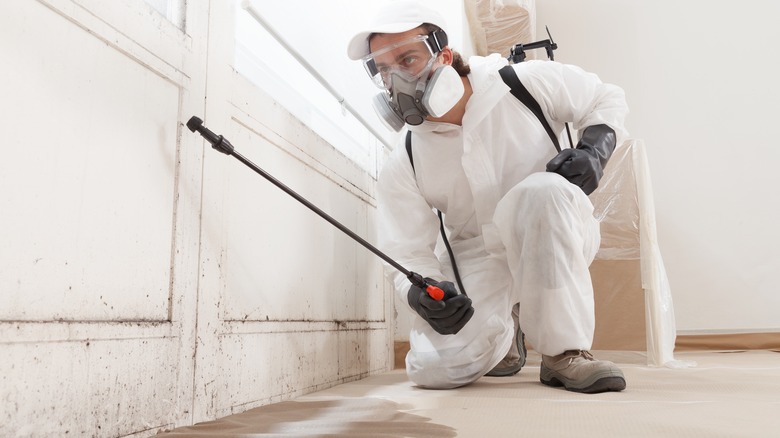
Why Mold Removal Requires More Than Cleaning
Many homeowners try cleaning mold themselves first. That makes sense—nobody wants to deal with a big project if a quick fix works. The problem? Surface cleaning rarely removes the underlying cause.
Mold removal works only when moisture sources get identified and corrected. Without that step, mold often returns.
I remember a homeowner in Lauderhill who cleaned the same closet wall three times in a year. A small roof leak above that area kept feeding moisture the whole time. Once the leak got fixed, the mold stopped returning. Simple cause, simple solution—but it took time to find.
The First Step Experts Always Take
Before any removal begins, professionals focus on one thing: moisture.
What Experts Check First
During inspections, we usually look for:
- Hidden leaks
- Condensation buildup
- Humidity levels
- Poor ventilation
- Airflow issues
Why start there? Because mold grows only where moisture exists. Find the moisture, and you find the root of the problem.
Ever noticed how mold keeps showing up in the same spot? That’s almost always where moisture hides.
Where Mold Commonly Develops Inside Homes
Certain areas consistently show mold growth in Lauderhill homes.
High-Risk Areas
We frequently find mold in:
- Air handler closets
- Behind bathroom walls
- Around windows
- Under laminate flooring
- Inside duct systems
These spots share two things: limited airflow and trapped humidity. Mold thrives in quiet, damp places where nobody checks.
IMO, closets and AC areas cause more hidden mold problems than kitchens because people rarely inspect them.
Mold Removal vs Mold Remediation: Why It Matters
People often use these terms interchangeably, but they mean different things.
Mold Removal
Removal focuses on:
- Cleaning visible mold
- Removing contaminated materials
Mold Remediation
Remediation includes:
- Identifying moisture sources
- Drying affected areas
- Treating surfaces
- Preventing regrowth
Remediation solves the cause. Removal addresses the symptoms. That difference explains why some mold problems return and others don’t.
Why Homes in Lauderhill Face Mold Challenges
Climate plays a big role.
Homes in this area often experience:
- High humidity most of the year
- Frequent afternoon storms
- Long AC run times
- Warm air meeting cool surfaces
When humid air meets cooler materials, condensation forms. That moisture collects inside walls, ceilings, and ducts.
FYI, small condensation issues often cause more mold problems than major leaks because people don’t notice them early.
What Mold Testing Tells Homeowners
Sometimes mold hides where nobody expects it. That’s where mold testing helps.
Testing helps identify:
- Airborne spore levels
- Hidden contamination
- Indoor air quality concerns
- Areas needing removal or remediation
Testing removes guesswork. Instead of assuming, homeowners get real data about what’s happening inside the home.
Would you rather guess about air quality—or know for sure?
What Experts Recommend Homeowners Do Immediately
When homeowners suspect mold, quick action helps prevent larger problems.
Practical First Steps
Experts usually recommend:
- Fix leaks immediately
- Increase airflow in damp areas
- Use dehumidifiers when humidity rises
- Inspect AC systems regularly
- Schedule a professional mold inspection
These steps reduce the chance of mold spreading further.
And yes, acting early often saves thousands in repairs. I’ve seen it firsthand.
The Role of HVAC Systems in Mold Problems
Air conditioning systems play a major role in indoor moisture levels.
Common HVAC-related issues include:
- Condensation around coils
- Clogged drain lines
- Dust buildup trapping moisture
- Poor insulation in ducts
When mold develops in ductwork, spores circulate throughout the home. That’s why duct inspection and cleaning often become part of mold remediation projects.
Ever noticed a musty smell when the AC starts but fades quickly? That’s a classic warning sign.
Mold Problems Across Broward County
Mold doesn’t affect only one neighborhood. Similar conditions appear in:
- Lauderhill
- Sunrise
- Tamarac
- Plantation
- Coral Springs
- Deerfield Beach
- Pembroke Pines
Humidity and heavy AC use create similar moisture patterns across these areas.
And honestly, newer homes sometimes develop mold faster because tighter construction traps humidity indoors.
Early Warning Signs You Shouldn’t Ignore
Homeowners often overlook small clues that mold may be developing.
Watch for:
- Musty odors
- Peeling or bubbling paint
- Warped baseboards
- Damp or cool spots on walls
- Allergy symptoms worsening indoors
These signs often appear weeks before visible mold spreads.
Catching them early makes removal much easier.
How Professionals Prevent Mold From Returning
Stopping mold requires a structured approach.
Experts typically:
- Identify moisture sources
- Dry affected areas completely
- Remove contaminated materials
- Improve ventilation or airflow
- Verify moisture levels before finishing
Drying and moisture control make the biggest difference. Without those steps, mold often comes back.
Practical Habits That Help Prevent Mold
Homeowners can reduce mold risk with simple routines.
Start with these habits:
- Keep indoor humidity below 60%
- Service HVAC systems annually
- Inspect under sinks monthly
- Use exhaust fans in bathrooms
- Check AC closets periodically
These steps don’t eliminate every risk, but they dramatically reduce the chances of mold growth.
Final Thoughts: Smart Action Beats Expensive Repairs
Mold problems rarely appear overnight, and they rarely solve themselves. The sooner homeowners identify moisture and address mold properly, the easier and less expensive the solution becomes.
Regular mold inspection, mold testing, mold removal, and mold remediation help homeowners in Lauderhill and across Broward County protect their homes, indoor air quality, and long-term property value.
