
Mold testing clears confusion fast—but only when people understand what it actually does.
In Hollywood, I’ve seen homeowners go through weeks of stress before they finally decide to test. They wipe down walls. They repaint ceilings. They run air fresheners nonstop. And still, something feels off.
There’s a faint musty odor.
Headaches won’t go away.
The mold keeps “coming back.”
That’s usually when frustration turns into one simple question:
“Why can’t we figure this out?”
The answer is often this: they’ve been looking at surfaces, not the air.
The Part Most People Miss
Here’s something that surprises almost everyone:
I’ve seen spotless, high-end homes test with elevated airborne mold levels.
And I’ve seen homes with visible staining test completely normal.
That feels backwards, right?
But mold testing isn’t about what looks bad. It’s about what you’re breathing.
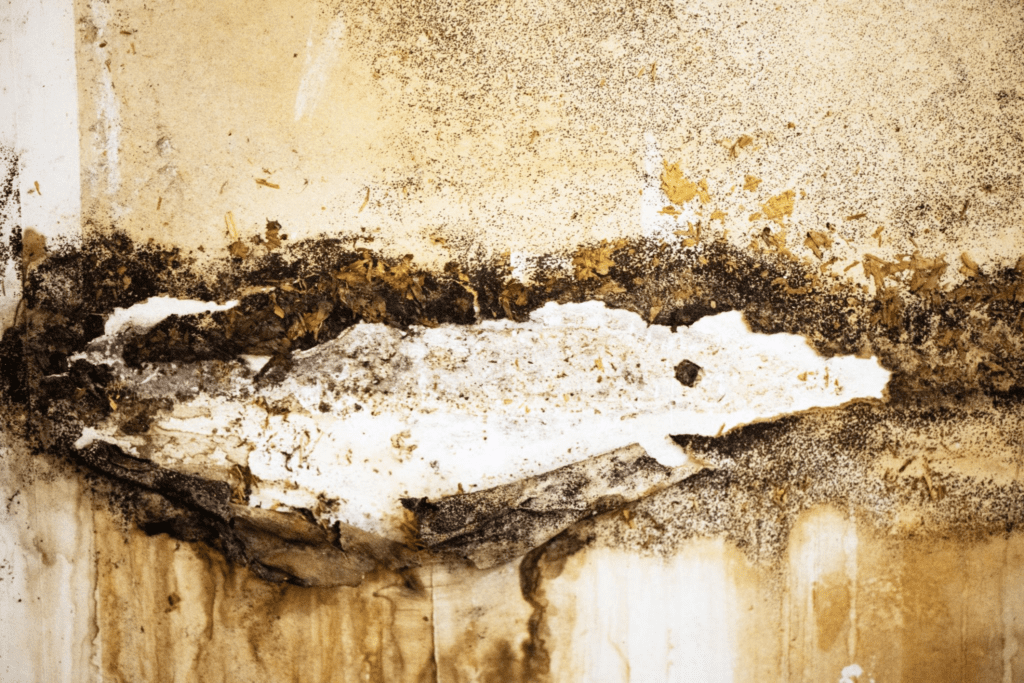
A tiny hidden moisture issue inside a wall cavity can release thousands of microscopic spores into the air without leaving dramatic visual clues.
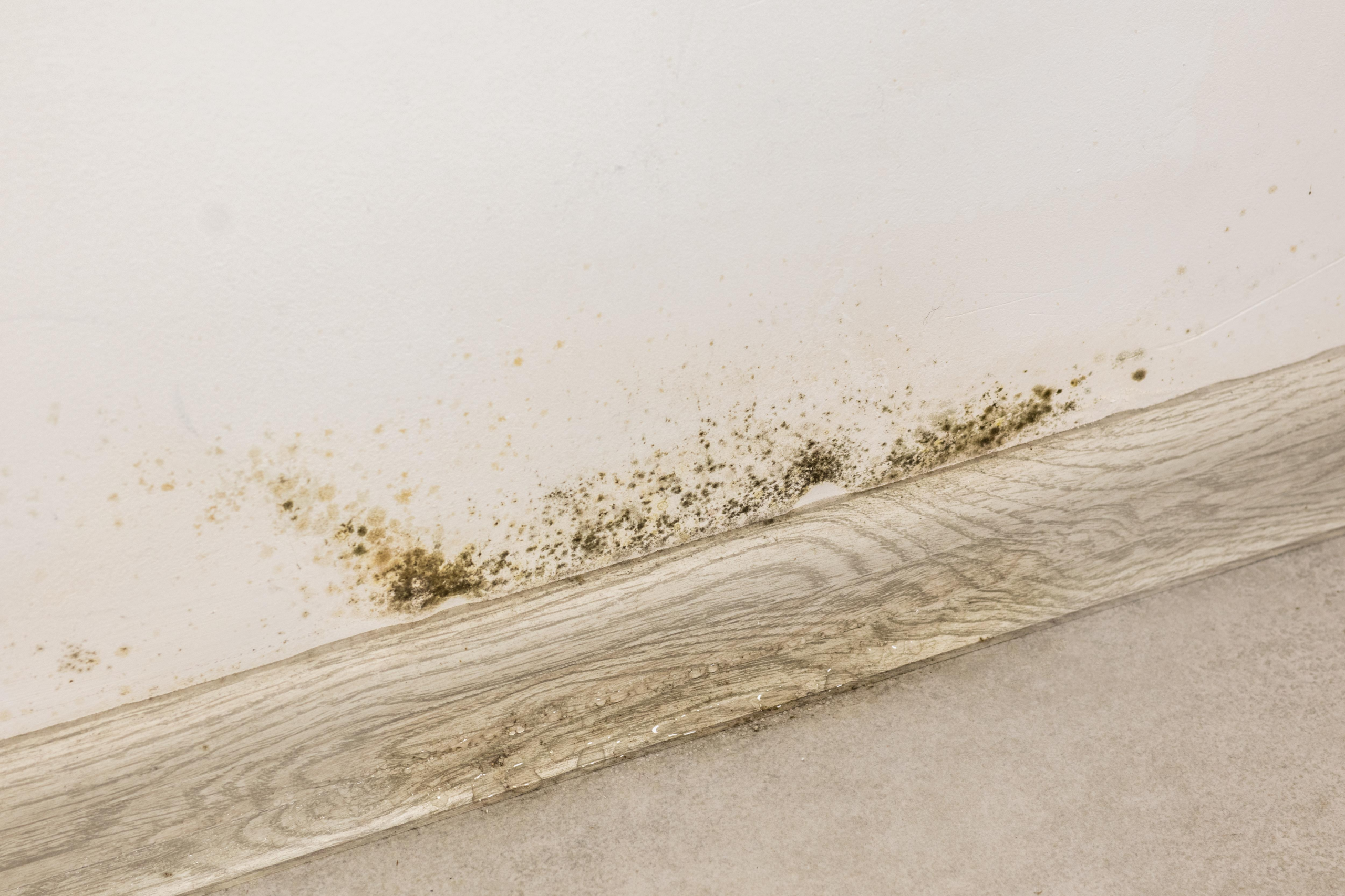
Meanwhile, an old stain on drywall might look alarming but be inactive and harmless from an air-quality standpoint.
The eye sees one thing.
The air tells another story.
Testing bridges that gap.
Mold Testing Measures Exposure — Not Appearance
When professionals conduct mold testing, the goal is simple: measure airborne spore levels and compare them to normal outdoor conditions.
Because mold exists everywhere outside. That’s natural.
What shouldn’t happen is higher concentrations indoors than outdoors.
Testing evaluates:
- Airborne spore counts
- Types of spores present
- Indoor vs. outdoor comparisons
- Signs of HVAC circulation
- Whether spores are evenly distributed or localized
If indoor levels are significantly higher—or if certain species appear indoors but not outside—that’s when we know there’s likely active indoor growth.
And that matters because health symptoms are tied to exposure.
Not paint.
Not drywall.
Not surface stains.
Exposure.
“But My House Looks Clean…”
This is one of the most common statements homeowners make in Hollywood.
And they’re right. The house does look clean.
But mold problems often start in places no one sees:
- Behind bathroom tile after a slow leak
- Under hardwood flooring from an appliance failure
- Inside wall cavities after roof seepage
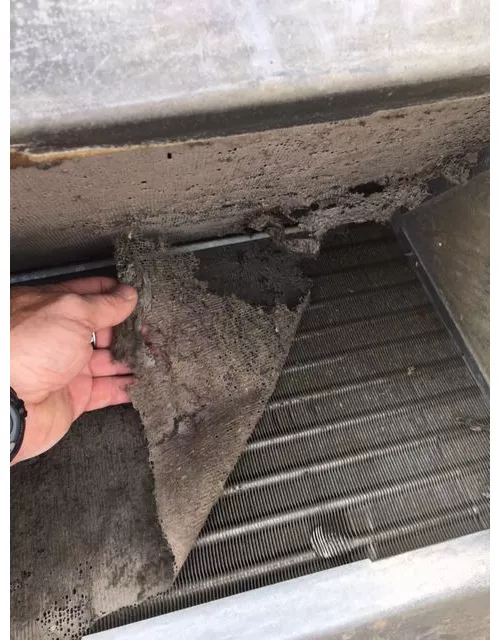
- Within HVAC systems that trap and circulate moisture
By the time visible mold appears, the issue has often been active for a while.
Testing often reveals that what felt like a mystery was actually measurable the entire time.
When Symptoms Don’t Match What You See
Another reason people turn to testing is health.
Homeowners describe:
- Sinus pressure that improves when they leave the house
- Persistent coughing
- Itchy eyes
- Fatigue that feels unexplained
They clean. They vacuum. They sanitize.
Still, symptoms linger.
This is where testing often becomes the missing piece.
If airborne spore levels are elevated, the air itself may be contributing to irritation—even if walls look fine.
It’s not about panic. It’s about clarity.
Testing Works Best With Inspection
One mistake people make is treating testing like a shortcut.
It’s not.
Experienced professionals never test blindly.
The best approach looks like this:
- Inspection first
Identify moisture sources, humidity problems, visible damage, and HVAC conditions. - Targeted testing second
Collect air samples in areas that make sense based on inspection findings. - Removal guided by data
Use results to determine scope and confirm effectiveness afterward.
Inspection finds the cause.
Testing measures the impact.
When done together, they prevent both overreaction and underreaction.
HVAC Systems: The Hidden Distributor
In many Hollywood homes, once mold reaches the HVAC system, everything changes.
The system doesn’t just cool air. It moves air.
So if spores enter ductwork or air handlers, they don’t stay contained in one room. They circulate.
That’s when homeowners say:
“We cleaned that room already.”
“Why does every room smell the same?”
Testing often confirms system-wide airborne elevation.
And that shifts the solution from spot cleaning to system evaluation.
Without testing, that connection can be missed entirely.
When Mold Testing Is Most Valuable
Testing isn’t necessary for every small surface issue. But it becomes extremely valuable in certain situations:
Before Remediation
It establishes a baseline. You know exactly where things stand before work begins.
After Remediation
It confirms whether airborne levels returned to normal. This is often called clearance testing.
When Mold Keeps Returning
Repeat problems usually indicate hidden moisture or HVAC involvement.
When Symptoms Persist
If occupants feel unwell without visible growth, testing helps determine whether air exposure may be contributing.
In these moments, testing replaces uncertainty with measurable direction.
Why Guessing Gets Expensive
In high-value areas like Hollywood, guessing can cost thousands.
Some homeowners overreact and pay for unnecessary demolition.
Others delay action because they “don’t see anything,” allowing moisture damage to spread.
Testing prevents both extremes.
It answers:
- Is there an active issue?
- Is indoor air actually affected?
- Has the cleanup worked?
- Is this localized or system-wide?
Without testing, decisions are based on assumptions.
With testing, decisions are based on evidence.
The Emotional Side of Mold
Let’s be honest—mold creates stress.
It touches health.
It affects property value.
It disrupts daily life.
That emotional weight makes it easy to either panic or dismiss the problem.
Testing calms that emotional reaction.
Because once you have numbers—once you have comparisons—once you have lab data—you’re no longer guessing.
You’re deciding.
And that’s empowering.
Final Thoughts
In Hollywood homes, mold testing doesn’t create problems—it clarifies them.
It explains why odors linger.
It reveals why symptoms persist.
It confirms whether remediation truly worked.
Most importantly, it shifts the focus from what you see to what you breathe.
When inspection and testing work together, solutions last longer because they’re built on real information—not surface appearances.
If you’re dealing with uncertainty, recurring mold, or unexplained air quality concerns, testing isn’t about fear.
It’s about clarity.
And clarity is what finally moves things forward.
