
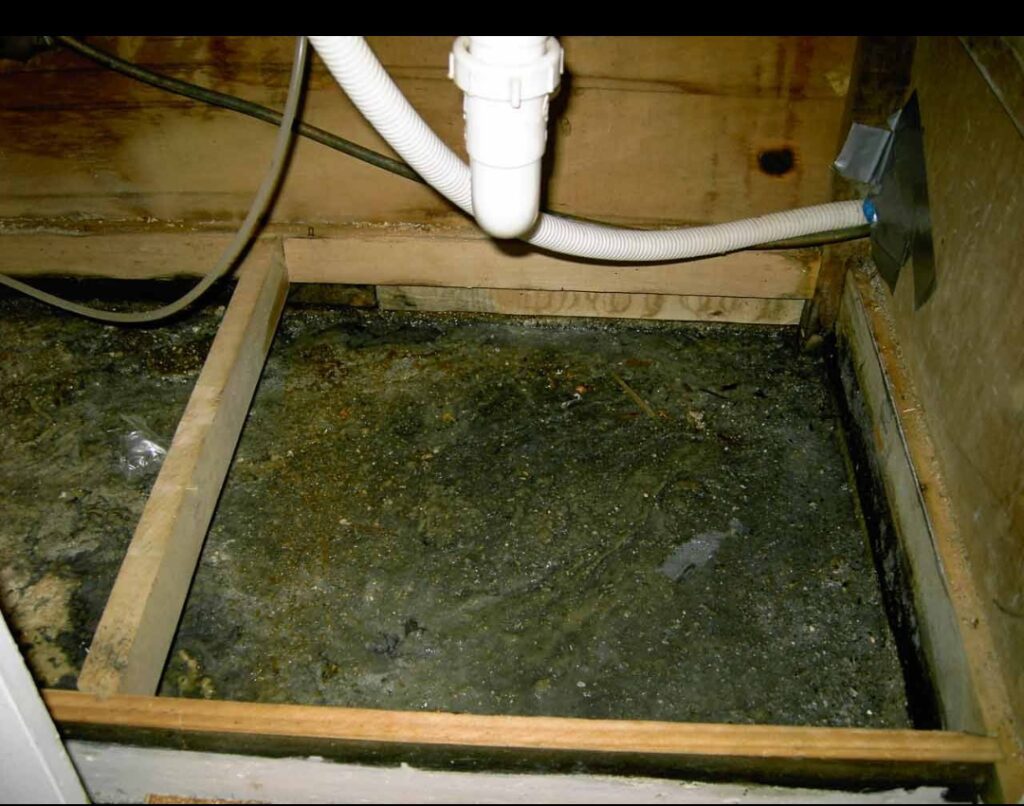
Why Mold Keeps Returning After DIY Cleaning – Why Ignoring It Costs More for Homes in Oakland Park
The Real Reason Mold Returns After Cleaning
Most DIY cleaning removes visible mold but leaves moisture behind. Mold doesn’t grow because it feels like it—it grows because conditions allow it.
Moisture, organic material, and still air create the perfect environment. If those conditions remain, mold returns no matter how often you clean.
I remember inspecting a home in Oakland Park where a homeowner cleaned a bathroom wall repeatedly. Testing later revealed a slow pipe leak inside the wall. Until that leak got repaired, mold kept returning like clockwork.
Why DIY Cleaning Often Fails
DIY methods help in very small situations, but they rarely solve recurring mold problems in walls, ceilings, or ducts.
What DIY Cleaning Usually Does
- Removes surface stains
- Reduces odor temporarily
- Makes the area look better
What DIY Cleaning Usually Misses
- Moisture trapped in drywall or wood
- Mold roots inside porous materials
- Hidden leaks or humidity problems
Drywall and wood absorb moisture like a sponge. Once mold grows inside those materials, wiping the surface doesn’t solve the problem.
IMO, cleaners work fine on tile or glass, but porous materials tell a completely different story.
The Hidden Moisture Problem
In homes across Oakland Park, Fort Lauderdale, Plantation, and Tamarac, hidden moisture causes most recurring mold cases.
Common Sources of Hidden Moisture
We frequently find moisture coming from:
- AC condensation lines
- Slow plumbing leaks
- Roof leaks after storms
- Poor attic ventilation
- Humidity trapped in ducts
These issues often stay invisible for months. By the time mold becomes visible, moisture has already spread.
Ever noticed a wall that feels slightly cooler than the rest of the room? That can signal moisture inside.
Why Ignoring Mold Gets Expensive
Small mold problems rarely stay small. Ignoring them often leads to larger repairs later.
Costs That Can Increase Over Time
When mold spreads, homeowners may face:
- Drywall replacement
- Flooring damage
- Carpet removal
- Structural repairs
- Larger mold remediation projects
Fixing a small moisture issue early costs far less than repairing widespread damage later.
FYI, I’ve seen minor leaks turn into full-room remediation simply because no one investigated early signs.
What Mold Inspection and Mold Testing Reveal
Many homeowners wait until mold becomes visible before calling professionals. That delay often allows moisture problems to worsen.
Mold inspection identifies moisture sources, ventilation issues, and risk areas.
Mold testing measures airborne spores and indoor air quality.
Inspection finds the cause. Testing confirms the extent. Together, they give homeowners clear answers instead of guesswork.
Would you rather guess where mold is growing—or actually know?
Where Mold Often Hides Inside Homes
Certain areas consistently show hidden mold growth during inspections.
High-Risk Locations
- Behind baseboards
- Inside HVAC closets
- Around window frames
- Under laminate flooring
- Inside air ducts
These areas trap humidity and limit airflow, which mold loves.
Surprised ducts make this list? Most homeowners are.
The Role of Air Ducts in Recurring Mold
Air ducts move air through the entire home. When moisture enters the system, spores can spread from one room to another.
Common duct-related problems include:
- Condensation buildup
- Dust accumulation trapping moisture
- Poor insulation
- Air leaks pulling humid air inside
Regular duct inspection and cleaning improve airflow and reduce moisture buildup significantly.
Mold Removal vs Mold Remediation
People often use these terms interchangeably, but they mean different things.
Mold Removal
Removal focuses on cleaning visible mold and removing contaminated materials.
Mold Remediation
Remediation includes:
- Identifying moisture sources
- Drying affected areas
- Cleaning and treating surfaces
- Preventing regrowth
Remediation solves the root cause, which explains why mold doesn’t return when the job gets done properly.
Skipping that step almost guarantees recurring problems.
Why Homes in Oakland Park Face Mold Risks
Local climate plays a huge role.
Homes in this area experience:
- High humidity most of the year
- Frequent storms
- Constant AC usage
- Warm air meeting cool indoor surfaces
That combination creates condensation inside walls, ceilings, and ducts. Moisture often develops quietly before anyone notices.
And yes, newer homes can develop mold just as easily as older ones when airflow or humidity control isn’t balanced.
Early Signs Mold Might Return
Even after cleaning, certain clues suggest mold may come back.
Watch for:
- Musty smells returning
- Paint bubbling or peeling
- Warped trim or baseboards
- Damp spots on walls
- Allergy symptoms worsening indoors
These signs often appear weeks before mold becomes visible again.
Practical Steps to Prevent Mold From Returning
Homeowners can reduce risk with simple habits.
Start here:
- Keep indoor humidity below 60%
- Service AC systems regularly
- Fix small leaks immediately
- Use exhaust fans in bathrooms and kitchens
- Inspect under sinks and around appliances monthly
These steps won’t eliminate every risk, but they significantly reduce the chances of recurring mold.
Mold Issues Across Broward County
Recurring mold doesn’t affect just one city. We regularly see similar situations in:
- Oakland Park
- Fort Lauderdale
- Coral Springs
- Deerfield Beach
- Pembroke Pines
- Sunrise
Humidity affects every home in this region, regardless of age or construction style.
Final Thoughts: Cleaning Isn’t the Same as Solving
Mold keeps returning because moisture remains hidden. Until someone finds and fixes the source, mold often comes back—sometimes in the same spot, sometimes somewhere new.
Regular mold inspection, mold testing, mold removal, and mold remediation help homeowners in Oakland Park and across Broward County protect their homes, indoor air quality, and long-term property value.
