
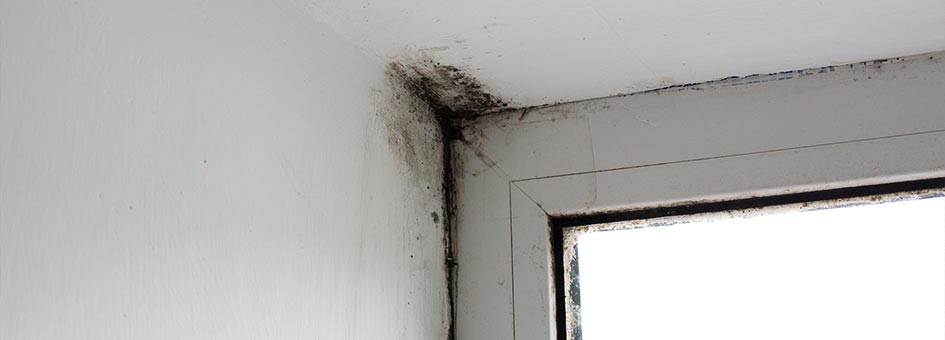
What We See Inside Homes: Mold Remediation Insights for Homes in Plantation
Most homeowners in Plantation don’t call for mold remediation because they panic. They call because something feels off and won’t go away. Mold keeps coming back. Allergies act up indoors. A musty smell shows up, disappears, then returns. On the surface, the home looks fine. Inside, though, inspections often tell a very different story.
After working inside homes throughout Plantation, one thing stays consistent: mold remediation becomes necessary not because mold appears, but because it quietly spreads before anyone realizes what’s happening. This article walks through what we actually see inside homes that need remediation, why problems escalate, and what separates effective remediation from repeat frustration.
Mold Rarely Starts Where Homeowners Notice It
Visible mold almost never tells the full story.
Where Mold Usually Begins
During inspections in Plantation homes, mold commonly starts:
- Behind drywall
- Inside wall cavities
- In HVAC systems
- In attics with poor ventilation
- Beneath flooring or cabinets
By the time mold becomes visible on a wall or vent, growth often exists well beyond that single spot.
Moisture Is Always the Real Driver
Mold remediation always traces back to moisture.
Common Moisture Sources We Find
Inside Plantation homes, mold growth often links to:
- High indoor humidity
- AC condensation issues
- Slow plumbing leaks
- Roof or window leaks
- Poor ventilation
Removing mold without fixing moisture guarantees the problem will return. Every remediation project starts with identifying where moisture stays active.
HVAC Systems Play a Major Role in Mold Spread
This is one of the most common findings.
What We See Inside HVAC Systems
During mold remediation inspections, HVAC systems frequently show:
- Mold on evaporator coils
- Standing water in drain pans
- Damp internal insulation
- Mold inside air handlers
Once mold reaches the HVAC system, spores circulate throughout the home. That’s why homeowners often see mold appear in multiple rooms over time.
Attics Quietly Expand Mold Problems
Attics often get overlooked until remediation begins.
Common Attic Conditions in Plantation Homes
We regularly find:
- Damp insulation
- Condensation on roof decking
- Mold near exhaust vents
Warm, humid air rises and gets trapped in attics. Over time, attic mold spreads downward into ceilings and walls, increasing remediation scope.
Why Mold Keeps “Coming Back” After Cleaning
This complaint comes up constantly.
What Recurring Mold Really Means
When homeowners say mold returned, it usually means:
- Hidden growth was never addressed
- Moisture sources stayed active
- HVAC systems remained contaminated
Surface cleaning improves appearance but doesn’t stop growth happening behind walls or inside systems.
Mold Remediation vs Mold Removal: The Difference Matters
This distinction changes outcomes.
Why Mold Removal Alone Fails
Mold removal:
- Cleans visible areas
- Does not reach hidden growth
- Does not correct moisture
What Mold Remediation Actually Includes
Proper mold remediation involves:
- Containment to prevent spore spread
- HEPA air filtration
- Removal of contaminated materials
- Moisture correction
- Preventive treatments
Homes that go through proper remediation rarely experience repeat mold issues when moisture stays controlled.
Health Symptoms Often Appear Before Visible Mold
Mold affects people before it damages surfaces.
What Homeowners Commonly Report
In Plantation homes requiring remediation, homeowners often mention:
- Allergy symptoms indoors
- Headaches or fatigue
- Scratchy throat
- Symptoms improving outside
These complaints frequently lead to inspections that uncover hidden mold growth.
Why Delaying Remediation Makes Projects Bigger
Time changes everything.
How Mold Spreads When Ignored
When remediation gets delayed:
- Mold grows deeper into materials
- More areas become contaminated
- HVAC involvement becomes likely
What could have been limited remediation often turns into drywall removal, insulation replacement, and HVAC remediation.
DIY Attempts Usually Increase Remediation Scope
This pattern shows up often.
Why DIY Cleanup Backfires
DIY efforts often:
- Spread spores into the air
- Miss hidden growth
- Leave moisture untouched
By the time professional remediation begins, mold has usually spread further than it would have otherwise.
What Mold Remediation Looks Like in Real Homes
Remediation isn’t just cleaning.
Typical Remediation Steps
Based on inspection findings, remediation may include:
- Setting up containment zones
- Running HEPA air scrubbers
- Removing affected drywall or insulation
- Treating structural materials
- Addressing humidity and ventilation issues
Every home differs, but remediation always focuses on stopping spread and preventing return.
Why Plantation Homes Face Higher Mold Risk
Local conditions play a big role.
Plantation-Specific Factors
Homes here deal with:
- Persistent humidity
- Heavy AC usage
- Tight construction trapping air
- Attics that retain moisture
These factors allow mold to grow faster and spread further when ignored.
Mold Inspection Guides Effective Remediation
Inspection prevents over- or under-treatment.
What Inspection Clarifies
Before remediation, inspection identifies:
- All affected areas
- Moisture sources
- HVAC involvement
- Remediation scope
This keeps remediation targeted instead of reactive.
Mold Testing: When It Helps During Remediation
Testing isn’t always required, but it has value.
When Mold Testing Makes Sense
Testing supports remediation when:
- Symptoms exist without visible mold
- HVAC contamination is suspected
- Documentation is needed
Testing confirms exposure. Inspection guides correction.
Warning Signs That Remediation May Be Needed
Based on what we see inside homes:
- Mold returning after cleaning
- Musty odors that come and go
- Condensation on vents or walls
- Allergy symptoms indoors
- Mold appearing in multiple rooms
Multiple signs usually point to hidden growth.
Practical Advice From Inside Real Homes
You don’t need fear. You need timing.
Smart Homeowner Steps
- Address moisture early
- Don’t rely on surface cleaning
- Include HVAC systems in evaluations
- Schedule inspections before mold spreads
- Fix causes, not just symptoms
Early action keeps remediation manageable.
Final Thoughts: Mold Remediation Solves Problems When Done Right
Mold remediation in Plantation homes doesn’t fail because homeowners ignore their houses. It fails when mold gets treated as a cosmetic issue instead of a moisture problem. What we see inside homes makes one thing clear: mold stops spreading only when conditions change.
Inspect early. Control moisture. Remediate completely. When homeowners take mold remediation seriously from the start, homes stay healthier, repairs stay smaller, and mold doesn’t get the chance to come back.
