
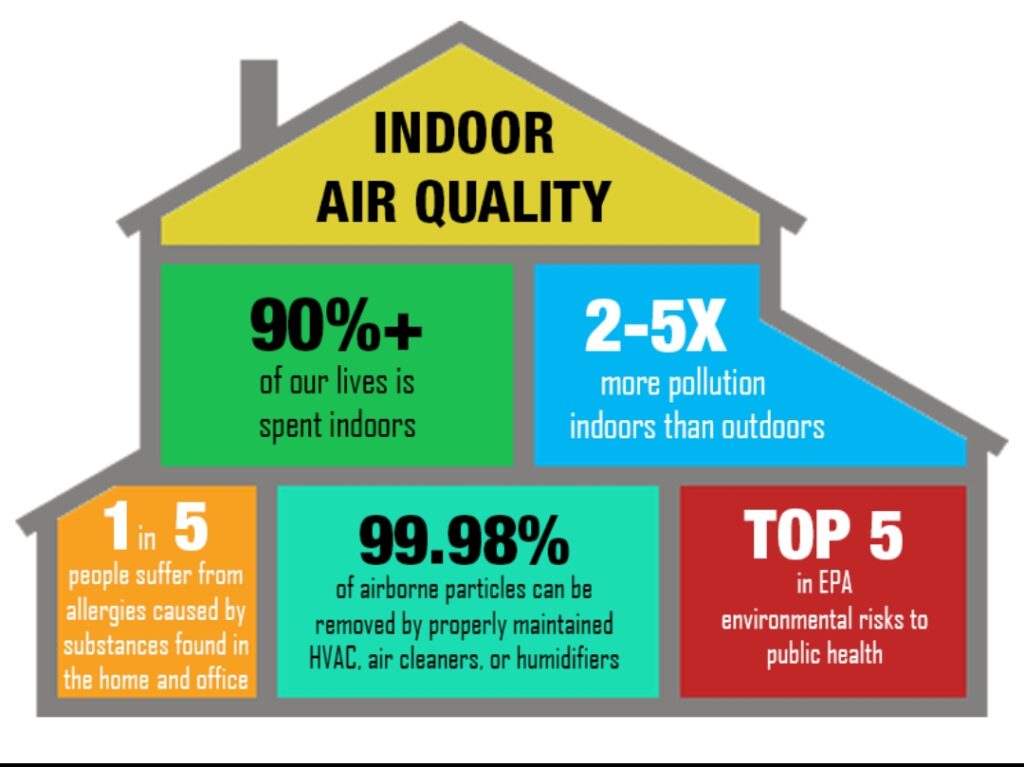
Indoor Air Quality Issues in Florida Homes – Practical Advice From Experts for Homes in
Indoor air quality is a growing concern for homeowners in Fort Lauderdale, and for good reason. Florida’s warm, humid climate creates conditions where air inside homes can easily become stale, damp, and contaminated without obvious warning signs. Many people focus on outdoor air pollution, but the air inside a home can often be more problematic—especially when moisture, ventilation, and HVAC systems are not working together properly.
The challenge is that indoor air quality issues rarely show up all at once. They build gradually, often going unnoticed until comfort declines or health symptoms appear. Understanding what affects indoor air quality and what homeowners commonly overlook can make a significant difference in long-term comfort and home maintenance.
Why Indoor Air Quality Is a Common Issue in Florida Homes
Florida homes are designed to stay sealed for energy efficiency, keeping cool air inside and hot air out. While this helps with comfort and utility costs, it also means indoor air doesn’t always circulate or refresh as often as it should.
In Fort Lauderdale, several factors combine to affect indoor air quality:
- High outdoor humidity
- Frequent air conditioning use
- Limited natural ventilation
- Moisture from daily activities
When fresh air exchange is limited and moisture levels rise, indoor air quality can decline even in clean, well-maintained homes.
Moisture and Humidity Inside the Home
Humidity plays a major role in indoor air quality. When indoor humidity levels stay high, air can feel heavy and uncomfortable. Moisture also supports the growth of mold and mildew, which can further affect air quality.
Common contributors to indoor moisture include:
- Air conditioning condensation
- Cooking and showering
- Laundry appliances
- Poor bathroom and kitchen ventilation
When moisture isn’t properly managed, it becomes trapped inside the home, affecting both air quality and building materials.
HVAC Systems and Air Quality
The HVAC system is central to indoor air quality in Fort Lauderdale homes. It circulates air throughout the house, which means any issues within the system can affect every room.
Common HVAC-related air quality issues include:
- Dirty or clogged coils
- Moisture buildup inside air handlers
- Contaminants inside ductwork
- Poor airflow or short cycling
When HVAC components collect moisture and debris, they can contribute to odors, airborne particles, and overall discomfort.
Musty Odors and Stale Air
One of the first signs of indoor air quality issues is a persistent musty or stale smell. Homeowners often notice this when entering the home after being away or when the AC system turns on.
These odors may indicate:
- Excess moisture
- Hidden mold growth
- Poor ventilation
- Contaminants inside ductwork
Masking odors with air fresheners doesn’t address the cause and often delays proper evaluation.
Dust, Particles, and Airborne Irritants
Indoor air quality isn’t just about moisture. Dust, pet dander, pollen, and other airborne particles also play a role. In Florida, outdoor pollen can easily enter homes, especially through leaky doors, windows, or ductwork.
When air filtration and circulation are inadequate, these particles remain suspended in the air, contributing to:
- Increased dust accumulation
- Irritation of eyes and throat
- Reduced overall comfort
Air that looks clean can still contain particles that affect how a home feels.
Health Symptoms Linked to Poor Indoor Air Quality
Not everyone reacts the same way to indoor air quality issues, but some homeowners notice changes that improve when they leave the house. These may include:
- Sneezing or congestion indoors
- Headaches or fatigue
- Throat or eye irritation
- Discomfort that worsens at home
While these symptoms don’t automatically mean there’s a serious problem, they are often a sign that indoor air conditions should be evaluated.
What Many Homeowners Get Wrong About Indoor Air Quality
A common misconception is that indoor air quality problems only exist in older or poorly maintained homes. In reality, newer homes can experience these issues as well due to tight construction and limited ventilation.
Other misunderstandings include:
- Assuming odors are normal in humid climates
- Believing air quality improves on its own
- Relying only on air fresheners or deodorizers
- Ignoring minor ventilation issues
Indoor air quality rarely improves without addressing the underlying conditions.
The Role of Professional Evaluation
Professional indoor air quality evaluations focus on identifying contributing factors rather than guessing. This includes assessing:
- Moisture and humidity levels
- HVAC system condition
- Airflow and ventilation
- Potential sources of contamination
By understanding how air moves through the home and where moisture is present, homeowners can take targeted steps to improve conditions.
Improving Indoor Air Quality the Right Way
Improving indoor air quality is not about quick fixes. It’s about creating balance between moisture control, ventilation, and air circulation.
Effective improvements often involve:
- Managing indoor humidity
- Addressing HVAC moisture issues
- Improving ventilation in key areas
- Identifying hidden sources of contamination
When these elements work together, indoor air becomes cleaner, fresher, and more comfortable.
Why Early Attention Matters
Indoor air quality issues tend to worsen over time if ignored. What starts as mild discomfort can lead to ongoing odors, material damage, or mold growth.
Addressing issues early often means:
- Fewer repairs
- Less disruption
- Improved comfort
- Better long-term results
Waiting until problems become obvious usually increases both cost and complexity.
Indoor Air Quality Services in Fort Lauderdale
Homes in Fort Lauderdale face unique indoor air challenges due to climate and construction style. Professional evaluation helps homeowners understand what’s happening inside their homes and how to improve it effectively.
We provide:
- Indoor air quality evaluations
- Moisture and humidity assessments
- HVAC system inspections
- Mold inspections and testing when needed
- Clear, practical recommendations
