
Health Effects of Long-Term Mold Exposure – Practical Advice From Experts for Homes in Lauderhill
Most homeowners in Lauderhill don’t connect lingering health issues to their homes right away. They blame allergies, stress, age, or Florida weather doing Florida things. That reaction makes sense. Long-term mold exposure doesn’t usually knock on the door with dramatic symptoms. It settles in quietly and sticks around.
Why Long-Term Mold Exposure Gets Missed So Often
Short-term exposure rarely causes panic. Long-term exposure causes confusion.
Why Homeowners Overlook the Connection
In Lauderhill homes, mold-related health issues often get missed because:
- Symptoms develop gradually
- Mold isn’t visible
- Homes look clean
- Problems feel “normal”
Mold doesn’t need attention to affect health. It just needs time and consistent exposure.
What Long-Term Mold Exposure Actually Means
This isn’t about one bad day.
How Exposure Builds Over Time
Long-term exposure usually involves:
- Daily inhalation of mold spores
- Continuous indoor exposure
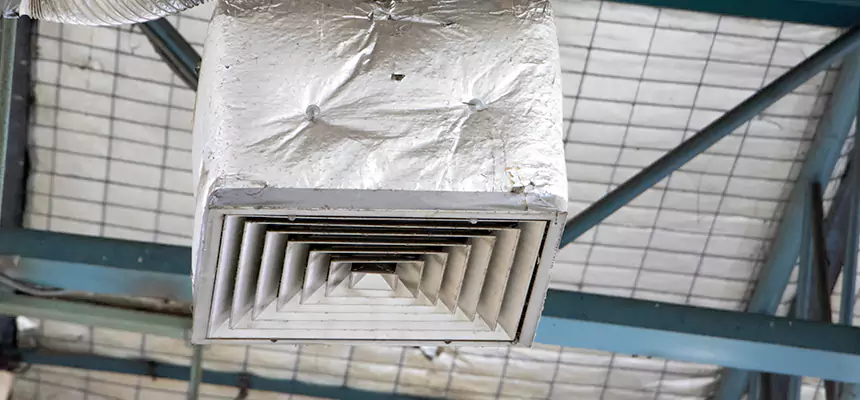
- Mold circulating through HVAC systems
- No real break from exposure
The body reacts differently to constant low-level exposure than it does to brief contact.
Myth #1: Mold Exposure Causes Immediate Serious Illness
This myth creates unnecessary fear.
Fact: Most Effects Are Gradual
In Lauderhill homes, long-term exposure more commonly causes:
- Chronic nasal congestion
- Sneezing or coughing indoors
- Sinus pressure
- Fatigue that doesn’t fully resolve
Symptoms often start mild and worsen slowly, which makes them easy to dismiss.
Myth #2: You’d Know If Mold Was Affecting Your Health
This assumption keeps people guessing.
Fact: Symptoms Often Feel Routine
Homeowners often blame:
- Seasonal allergies
- Poor sleep
- Stress
- Work schedules
One key pattern stands out during inspections: symptoms improve outside the home and worsen indoors. That indoor-only pattern matters.
Myth #3: Mold Has to Be Visible to Affect Health
This myth delays action constantly.
Fact: Hidden Mold Affects Air First
In Lauderhill homes, inspections frequently uncover mold:
- Inside HVAC systems
- Behind drywall
- Above ceilings
- Inside wall cavities
Hidden mold releases spores into the air long before any visible growth appears. Health effects often show up first.
Myth #4: Black Mold Is the Only Mold That Matters
Color gets way too much attention.
Fact: Exposure Matters More Than Color
Health impact depends on:
- Amount of mold present
- Length of exposure
- Airflow patterns
- HVAC involvement
Widespread mold of any color circulating through the home often causes more health issues than isolated visible black mold.
Respiratory Symptoms Are the Most Common Complaint
Breathing issues usually show up first.
Symptoms Experts Hear About Most
In homes with confirmed long-term exposure, homeowners commonly report:
- Persistent coughing
- Chest tightness
- Shortness of breath
- Worsening asthma symptoms
These issues often improve once exposure stops and indoor air quality improves.
Mold Exposure and Fatigue: A Commonly Missed Link
Fatigue rarely gets connected to mold.
Why Mold Can Drain Energy
Long-term exposure keeps the immune system constantly activated. Over time, that leads to:
- Low energy
- Brain fog
- Trouble concentrating
Many homeowners notice increased clarity and energy after proper remediation, even if they didn’t expect it.
Why Symptoms Persist After Cleaning
Surface cleaning doesn’t stop exposure.
What Inspections Reveal
When symptoms continue after cleaning, inspections often find:
- Hidden mold growth
- HVAC contamination
- Active moisture sources
As long as spores remain airborne, exposure continues—even if walls look spotless.
HVAC Systems Amplify Health Effects
HVAC systems don’t just move air. They spread exposure.
How HVAC Contamination Affects Health
When HVAC systems contain mold:
- Spores circulate through every room
- Exposure becomes constant
- Symptoms feel whole-house
This explains why health complaints rarely stay limited to one space.
Why Lauderhill Homes Face Higher Exposure Risk
Local conditions matter.
Lauderhill-Specific Factors
Homes here deal with:
- High humidity
- Heavy AC usage
- Tight construction trapping air
- Slower indoor drying
These factors allow mold exposure to persist longer if moisture issues go unchecked.
Mold Inspection Connects Health Symptoms to the Home
Guessing delays solutions.
What Mold Inspection Clarifies
A professional inspection helps identify:
- Hidden mold sources
- Moisture problems
- HVAC involvement
- Exposure pathways
Inspection turns vague symptoms into actionable information.
Mold Testing: When Health Questions Need Confirmation
Testing isn’t always required, but it can help.
When Testing Adds Value
Testing supports inspection when:
- Symptoms persist without visible mold
- HVAC contamination seems likely
- Documentation is needed
Testing confirms exposure. Inspection explains the source.
Mold Removal vs Mold Remediation: Health Outcomes Differ
Stopping exposure matters more than appearance.
Why Mold Removal Alone Isn’t Enough
Removal without remediation:
- Leaves spores behind
- Ignores moisture
- Allows continued exposure
Why Remediation Improves Health
Proper remediation includes:
- Containment to prevent spore spread
- HEPA air filtration
- Removal of contaminated materials
- Moisture correction
Reducing exposure often leads to gradual symptom improvement.
Practical Expert Advice for Homeowners
You don’t need fear. You need direction.
Smart, Health-Focused Steps
- Don’t ignore persistent indoor symptoms
- Pay attention to indoor vs outdoor patterns
- Address humidity and moisture early
- Include HVAC systems in evaluations
- Inspect before assuming symptoms are unrelated
Early action often prevents long-term discomfort.
When Health Concerns Should Trigger Immediate Action
Act sooner when:
- Symptoms worsen indoors
- Mold keeps returning after cleaning
- HVAC odors persist
- Multiple household members feel affected
Waiting rarely improves health outcomes.
What Improvement Often Looks Like After Exposure Stops
Results aren’t instant, but they’re noticeable.
What Homeowners Commonly Report
After proper remediation, many homeowners notice:
- Easier breathing
- Fewer allergy symptoms
- Better sleep
- Improved energy
These changes often confirm the connection they suspected but couldn’t prove earlier.
Final Thoughts: Practical Action Protects Health
Long-term mold exposure in Lauderhill homes doesn’t require panic. It requires honesty and timing. Most health effects build slowly, quietly, and predictably when exposure continues unchecked. Ignoring symptoms doesn’t make them unrelated to the home—it gives mold more time to affect daily life.
Inspect early. Control moisture. Stop exposure at the source. When homeowners take practical, expert-guided steps, they protect both their health and their homes—without fear tactics or guesswork.
