
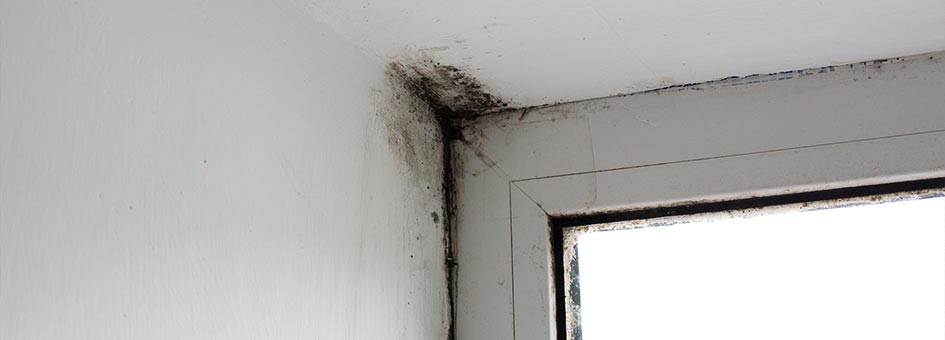
Practical Advice From Experts: Black Mold Insights for Homes in Broward County
Black mold gets more reactions than almost any other home issue in Broward County. Some homeowners panic immediately. Others downplay it and grab bleach. What we’ve learned from years of inspections and remediation work is simple: both reactions usually make the situation worse.
Black mold isn’t rare here, and it isn’t random either. It follows patterns tied to moisture, airflow, and time. This article focuses on practical, expert-level advice based on what we actually see inside Broward County homes—not fear tactics, not internet myths, and definitely not one-size-fits-all solutions.
First Things First: Black Mold Is a Moisture Problem
This point gets skipped too often.
What Experts See Consistently
In Broward County homes, black mold almost always appears because:
- Moisture stays active too long
- Indoor humidity stays elevated
- Materials don’t fully dry
- Airflow remains limited
Black mold doesn’t show up just because spores exist. Spores are everywhere. Growth happens when moisture doesn’t leave.
Where Black Mold Actually Starts (Hint: Not Where You See It)
Visible mold is usually the end of the story, not the beginning.
Common Hidden Starting Points
Based on inspections across Broward County, black mold often begins:
- Behind drywall
- Inside wall cavities
- In HVAC systems
- In attics with poor ventilation
- Beneath flooring or cabinets
By the time mold shows on a wall or vent, hidden growth usually exists elsewhere too.
Why Broward County Homes Face Higher Black Mold Risk
Location changes the rules.
Local Conditions That Matter
Homes across Broward County deal with:
- High year-round humidity
- Heavy air conditioning use
- Slow indoor drying
- Tight construction that traps moisture
These conditions allow moisture to linger longer than it should, which gives black mold the time it needs to grow.
Practical Advice #1: Don’t Rely on Smell or Sight Alone
This mistake delays action constantly.
Why Mold Often Hides Quietly
Many black mold cases involve:
- No strong musty odor
- No visible growth early on
- No obvious water damage
Mold can release spores into the air without producing noticeable smells. Waiting for obvious signs almost always allows the problem to spread.
Practical Advice #2: Stop Treating Black Mold as a Surface Issue
Surface-level thinking causes repeat problems.
Why Cleaning Alone Fails
Bleach or spray cleaners:
- Improve appearance
- Do not penetrate porous materials
- Do not remove mold roots
- Do not fix moisture
Experts regularly inspect homes where visible mold disappeared but growth continued behind walls or inside HVAC systems.
Practical Advice #3: Pay Close Attention to HVAC Systems
HVAC systems amplify black mold problems fast.
What Experts Commonly Find
During inspections, HVAC systems often show:
- Mold on evaporator coils
- Standing water in drain pans
- Damp internal insulation
- Mold inside air handlers
Once mold reaches the HVAC system, spores circulate through every room. That’s when black mold becomes a whole-house issue.
Practical Advice #4: Don’t Ignore Attics
Attics quietly drive many mold problems.
Why Attics Matter So Much
In Broward County attics, experts frequently find:
- Condensation on roof decking
- Damp insulation
- Mold near exhaust vents
Warm, humid air rises and gets trapped. Over time, attic mold spreads downward into ceilings and walls.
Practical Advice #5: Act Early—Time Is the Biggest Cost Factor
Black mold grows cheaply. Fixing it later does not.
How Delays Increase Costs
When homeowners wait:
- Mold spreads deeper into materials
- More areas become contaminated
- HVAC involvement becomes likely
What could have been limited remediation often turns into drywall removal, insulation replacement, and higher overall repair costs.
Mold Inspection: The Smart Starting Point
Guessing almost always costs more.
What Mold Inspection Provides
Professional inspection identifies:
- Hidden mold growth
- Moisture sources
- HVAC involvement
- True remediation scope
Inspection keeps remediation targeted instead of reactive.
Mold Testing: When Experts Recommend It
Testing isn’t automatic, but it has its place.
When Mold Testing Adds Value
Experts recommend testing when:
- Symptoms exist without visible mold
- HVAC contamination seems likely
- Indoor air quality concerns persist
- Documentation is required
Testing confirms exposure. Inspection explains the cause.
Mold Removal vs Mold Remediation: Expert Perspective
These terms get mixed up constantly.
Why Mold Removal Alone Isn’t Enough
Removal:
- Cleans visible mold
- Leaves hidden growth untouched
- Doesn’t address moisture
What Proper Mold Remediation Includes
Experts focus on:
- Containment to prevent spore spread
- HEPA air filtration
- Removal of contaminated materials
- Moisture correction
- Preventive treatments
Remediation changes conditions so mold can’t return.
Health Considerations Experts Take Seriously
Health complaints often guide inspections.
Symptoms Linked to Black Mold Exposure
In Broward County homes, homeowners often report:
- Allergy symptoms indoors
- Respiratory irritation
- Headaches or fatigue
- Symptoms improving outside
Experts take these patterns seriously, especially when HVAC systems are involved.
Practical Advice #6: Control Humidity Consistently
Humidity management prevents recurrence.
What Experts Recommend
Homes with fewer mold issues typically:
- Monitor indoor humidity
- Address condensation quickly
- Maintain HVAC drainage
- Improve ventilation when needed
Perfection isn’t required. Consistency is.
Practical Advice #7: Avoid Repeated DIY Attempts
DIY cleanup often increases final costs.
Why Experts Warn Against It
DIY efforts often:
- Spread spores into the air
- Miss hidden growth
- Delay proper remediation
By the time professionals step in, mold often spread further than it needed to.
Warning Signs Experts Say Not to Ignore
Based on real inspections:
- Mold returning after cleaning
- Musty odors that come and go
- Condensation on vents or walls
- Mold appearing in multiple rooms
- Health symptoms worsening indoors
Multiple signs usually mean inspection saves money.
When Immediate Action Is Necessary
Experts recommend urgent action when:
- HVAC systems show mold contamination
- Mold spreads beyond one area
- Moisture remains active
- Multiple household members feel affected
Waiting at this stage almost always increases cost and disruption.
Final Thoughts: Practical Beats Panic Every Time
Black mold in Broward County homes doesn’t require fear—but it does require informed action. Experts see the same mistakes repeatedly: waiting too long, cleaning surfaces only, and ignoring moisture and HVAC systems.
