
Lessons From Real Inspections: Mold Removal Insights for Homes in North Lauderdale
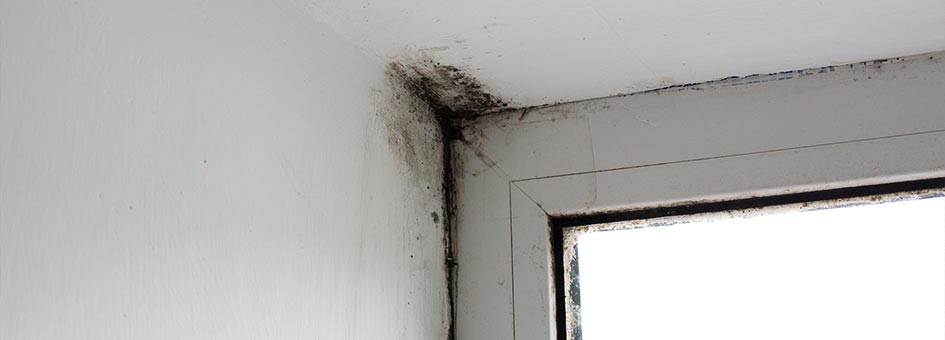
Mold removal sounds straightforward until you actually step inside a home that’s been dealing with it for a while. In North Lauderdale, we inspect plenty of houses where homeowners already tried to “handle it.” The mold looks gone. The smell fades for a bit. Then it comes back—sometimes worse than before.
What real inspections teach us is simple: mold removal only works when it’s guided by what’s actually happening inside the home. Guessing leads to repeat problems. Surface cleaning leads to frustration. This article pulls lessons straight from real inspections in North Lauderdale homes and explains why mold removal succeeds in some houses and completely fails in others.
Lesson #1: Mold Rarely Starts Where You Find It
This is the biggest misconception we see.
What Inspections Consistently Reveal
In North Lauderdale homes, visible mold usually isn’t the starting point. During inspections, mold often begins:
- Behind drywall
- Inside wall cavities
- In HVAC systems
- Under flooring
- Inside attics
By the time mold appears on a wall or vent, inspections almost always uncover additional growth somewhere hidden.
Lesson #2: Mold Removal Without Moisture Control Fails Every Time
This lesson shows up constantly.
Why Mold Keeps “Coming Back”
When mold returns after removal, inspections usually show:
- Moisture sources still active
- Elevated indoor humidity
- Condensation issues
- HVAC moisture problems
Removing mold without stopping moisture doesn’t fix anything. It just resets the clock until mold grows again.
Lesson #3: HVAC Systems Decide Whether Mold Stays Local or Spreads
This is where small problems become big ones.
What We See Inside HVAC Systems
In many North Lauderdale inspections, HVAC systems show:
- Mold on evaporator coils
- Standing water in drain pans
- Damp internal insulation
- Mold inside air handlers
Once mold reaches the HVAC system, spores circulate through the entire home. At that point, mold removal must address more than one room—or it fails.
Lesson #4: Surface Cleaning Often Makes Things Worse
This surprises a lot of homeowners.
Why DIY Cleaning Backfires
From inspection data, homes with prior DIY attempts often show:
- Mold spread beyond the original area
- Higher airborne spore levels
- Missed hidden growth
Scrubbing or spraying mold can disturb spores and push them deeper into materials or into the air. The mold looks gone, but exposure actually increases.
Lesson #5: Attics Quietly Fuel Mold Problems
Attics don’t get enough attention.
Common Attic Findings in North Lauderdale Homes
During inspections, we often find:
- Damp insulation
- Condensation on roof decking
- Mold near exhaust vents
Warm, humid air rises and gets trapped. Over time, attic mold spreads downward into ceilings and walls, expanding the scope of mold removal dramatically.
Lesson #6: Mold Removal Is Not the Same as Mold Remediation
This confusion causes repeat calls.
Why the Difference Matters
Mold removal focuses on:
- Cleaning visible mold
Mold remediation focuses on:
- Containment to prevent spore spread
- HEPA air filtration
- Removal of contaminated materials
- Moisture correction
- Preventive treatments
Inspections show that removal alone almost always leads to recurrence. Remediation changes conditions so mold can’t return.
Lesson #7: Mold Often Affects Health Before It Damages Surfaces
People usually feel it first.
Symptoms That Trigger Inspections
In North Lauderdale homes, inspection calls often follow:
- Allergy symptoms indoors
- Persistent coughing or congestion
- Headaches or fatigue
- Symptoms improving outside the home
These complaints frequently lead inspectors to hidden mold growth that homeowners didn’t know existed.
Lesson #8: Timing Determines Cost More Than Mold Size
This lesson hits homeowners hard.
Early vs Late Mold Removal
From inspection history:
- Early removal limits affected areas
- Delayed action leads to drywall removal
- Late response often requires HVAC remediation
Mold grows cheaply. Fixing it later does not. Time almost always multiplies cost.
Lesson #9: Newer or Renovated Homes Aren’t Safer
Fresh paint creates false confidence.
What Inspections Show in Updated Homes
Even renovated North Lauderdale homes often have:
- Tighter construction trapping moisture
- Reduced natural airflow
- Hidden mold behind new drywall
New materials don’t stop mold. Moisture control does.
Lesson #10: Mold Smell Is an Unreliable Indicator
Waiting for odor delays action.
Why Odor Isn’t Always Present
Many inspections uncover mold in homes with:
- No strong musty smell
- No visible staining
- No obvious leaks
Mold can affect air quality long before it produces noticeable odors.
Lesson #11: Mold Removal Without Inspection Is Guessing
Guessing costs more than inspections.
What Inspection Clarifies
A proper mold inspection identifies:
- Hidden mold locations
- Moisture sources
- HVAC involvement
- True removal scope
Inspection prevents under-cleaning and over-demolition. Both are expensive mistakes.
Lesson #12: Mold Testing Has a Role—but Not Always
Testing isn’t automatic.
When Testing Helps
From real inspections, testing adds value when:
- Symptoms exist without visible mold
- HVAC contamination seems likely
- Documentation is needed
Testing confirms exposure. Inspection explains the cause and guides removal.
Lesson #13: Condensation Is an Early Warning Sign
Condensation shows up before mold.
Where We Commonly See It
In North Lauderdale homes, condensation often appears:
- On supply vents
- Around windows and doors
- On metal HVAC components
Condensation means moisture is present where it shouldn’t be. Mold often follows if nothing changes.
Lesson #14: Repeated Mold Removal Means the Cause Was Missed
Mold doesn’t magically return.
What Repeat Cases Always Have in Common
Homes needing repeat mold removal almost always show:
- Ongoing moisture problems
- Incomplete HVAC cleaning
- Hidden growth never addressed
Mold only “comes back” when the root problem stays active.
Lesson #15: Simple Habits Prevent Big Mold Problems
Inspections reveal patterns in low-risk homes.
Homes With Fewer Mold Issues Usually:
- Control indoor humidity
- Address condensation quickly
- Maintain HVAC systems
- Inspect early instead of waiting
Perfection isn’t required. Consistency is.
Warning Signs Mold Removal Shouldn’t Be Delayed
Based on inspection experience:
- Mold appearing in multiple rooms
- Mold returning after cleaning
- Musty odors that come and go
- HVAC systems smelling damp
- Health symptoms worsening indoors
Multiple signs usually mean removal alone won’t be enough.
Practical Advice From Real Inspections
You don’t need panic. You need accuracy.
Smart Mold Removal Decisions
- Start with inspection, not cleaning
- Address moisture before removal
- Include HVAC systems in the plan
- Don’t ignore attics and walls
- Treat causes, not just surfaces
Each step increases the chances that mold removal actually works.
Final Thoughts: Inspections Turn Mold Removal Into a Solution
Mold removal in North Lauderdale homes doesn’t fail because homeowners don’t care. It fails because mold gets treated as a surface problem instead of a moisture and airflow issue. Lessons from real inspections prove one thing: mold removal only succeeds when it’s guided by facts, not assumptions.
Inspect early. Control moisture. Remove mold completely and correctly. When homeowners apply what inspections actually reveal, mold removal stops being a cycle and starts being a real solution.
