
Why Ignoring It Costs More: HVAC Mold Insights for Homes in
HVAC mold is one of the most expensive problems homeowners in Oakland Park unknowingly ignore. Because HVAC systems are hidden behind walls, ceilings, and panels, mold can grow inside them for long periods without obvious signs. During that time, spores circulate through the home every time the air conditioner runs, affecting indoor air quality and spreading contamination far beyond the original source.
What makes HVAC mold especially costly is not just the mold itself, but the delay in addressing it. Real inspections show that when HVAC mold is ignored, small moisture issues turn into system-wide problems that require more extensive and expensive solutions. Understanding how HVAC mold develops and why waiting makes it worse helps homeowners avoid unnecessary damage and higher costs.
Why HVAC Mold Is Common in Oakland Park Homes
Oakland Park’s warm, humid climate creates ideal conditions for mold growth inside HVAC systems. Air conditioning systems run most of the year, and as they cool warm air, condensation forms naturally. When that moisture does not drain properly, it remains inside the system.
HVAC systems contain:
- Moisture from condensation
- Organic material such as dust
- Dark, enclosed spaces
- Constant airflow
These conditions allow mold to grow quietly inside air handlers, coils, and ductwork.
Where Mold Typically Forms Inside HVAC Systems
Inspections in Oakland Park homes consistently reveal mold in the same HVAC locations. Growth is rarely limited to one area and often spreads through multiple components.
Common locations include:
- Air handlers and blower compartments
- Evaporator coils and drain pans
- Insulated duct lining
- Return ducts pulling humid air
- AC closets with poor ventilation
Because these areas are hidden, mold can grow extensively before homeowners notice any symptoms.
How Ignoring HVAC Mold Increases Costs
When HVAC mold is ignored, it doesn’t stay contained. Mold continues to spread through airflow, contaminating additional duct sections and sometimes nearby building materials.
Delaying action often leads to:
- Mold spreading deeper into ductwork
- Contamination of multiple rooms
- Reduced HVAC efficiency
- Increased remediation scope
What could have been a targeted solution often becomes a larger, more expensive project.
The Hidden Impact on Indoor Air Quality
HVAC systems circulate air throughout the entire home. When mold is present inside the system, spores are distributed into every room.
Homeowners often report:
- Musty odors when the AC runs
- Air that feels heavy or stale
- Odors that return after cleaning
- Discomfort indoors that improves outside
These issues usually worsen over time as mold growth increases.
Why Surface Cleaning Doesn’t Stop HVAC Mold
Many homeowners try to address mold by cleaning vents or replacing filters. While these steps are important for maintenance, they do not remove mold growing inside HVAC components.
Filters and vent cleaning:
- Do not remove mold on coils
- Do not address moisture sources
- Do not stop spores already in the system
As a result, mold continues to grow and spread.
DIY Attempts Often Make the Problem Worse
Some homeowners attempt DIY HVAC cleaning or use sprays inside ducts. Inspections show that these attempts often disturb mold without proper containment.
DIY approaches can:
- Spread spores further into the system
- Miss hidden growth areas
- Delay proper remediation
- Increase contamination
This often leads to higher costs when professional remediation is eventually required.
Moisture Problems That Drive HVAC Mold
HVAC mold is almost always linked to unresolved moisture issues. In Oakland Park homes, common contributors include:
- High indoor humidity
- Clogged or improperly sloped drain lines
- Oversized HVAC systems that short-cycle
- Leaky ductwork pulling humid attic air
- Poor airflow or insulation
Without correcting these issues, mold problems are likely to return.
Why HVAC Mold Affects System Performance
Mold growth inside HVAC systems doesn’t just affect air quality—it also affects performance. Mold and moisture buildup can reduce airflow, strain components, and decrease efficiency.
Over time, homeowners may notice:
- Higher energy bills
- Uneven cooling
- Increased system wear
- Shorter HVAC lifespan
These hidden costs add up quickly.
What Inspections Focus On
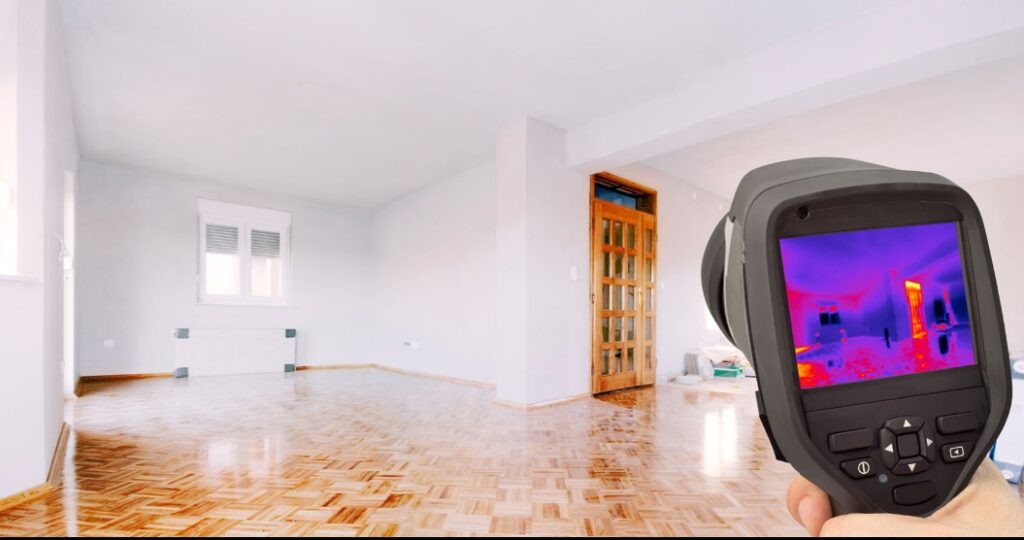
Professional HVAC mold inspections focus on identifying both mold growth and the conditions allowing it to exist. This includes:
- Inspecting internal HVAC components
- Evaluating ductwork condition
- Measuring moisture levels
- Checking drainage and airflow
This comprehensive approach helps ensure solutions address the cause, not just the symptoms.
Why Early Action Saves Money
Inspection data consistently shows that early evaluation reduces both damage and cost. Addressing HVAC mold early often means:
- Smaller affected areas
- Less disruption
- Lower remediation costs
- Faster resolution
Waiting allows mold to spread, increasing both time and expense.
When Homeowners Should Act
Professional evaluation is recommended if:
- Musty odors come from vents
- Mold keeps returning after cleaning
- There has been past water damage
- Indoor air quality feels poor
- HVAC components show visible contamination
Ignoring these signs almost always leads to higher costs later.
HVAC Mold Services in Oakland Park
Homes in Oakland Park face ongoing humidity and HVAC-related mold risks. Professional inspection helps identify hidden mold and moisture issues before they become costly problems.
We provide:
- HVAC mold inspections
- Air duct evaluations
- Mold testing when appropriate
- Moisture detection
- Clear remediation guidance
