
Practical Advice From Experts: Mold Remediation Insights for Homes in
Mold remediation is one of the most misunderstood services for homeowners in Pembroke Pines. Many people assume remediation simply means cleaning visible mold, while others fear it always involves tearing apart large sections of the home. What we actually see during real inspections and remediation projects is far more practical and controlled.
Proper mold remediation is about identifying the source of the problem, stopping mold from spreading, and safely removing affected materials when necessary. When done correctly, remediation protects indoor air quality and prevents mold from returning. When done incorrectly—or delayed—it often leads to repeated problems and higher costs.
Understanding how professional mold remediation really works helps homeowners know what to expect and why shortcuts usually fail.
What Mold Remediation Actually Means
Mold remediation is not just surface cleaning. It is a structured process designed to address both mold growth and the conditions that allowed it to develop. The goal is to remove mold safely while preventing spores from spreading to unaffected areas.
Professional remediation typically focuses on:
- Containing affected areas
- Removing contaminated materials
- Cleaning non-porous surfaces
- Addressing moisture sources
- Restoring indoor air quality
Without all of these steps, mold problems are likely to return.
Why Surface Cleaning Is Not Remediation
One of the most common mistakes homeowners make is confusing cleaning with remediation. Wiping mold off a wall or spraying cleaners may remove visible staining, but it does not eliminate mold growing inside materials.
Real inspections show that surface cleaning fails because:
- Mold roots remain inside drywall and wood
- Hidden growth continues behind walls
- Moisture problems are not corrected
- Spores spread during improper cleaning
This is why mold often reappears in the same locations weeks or months later.
The Importance of Containment During Remediation
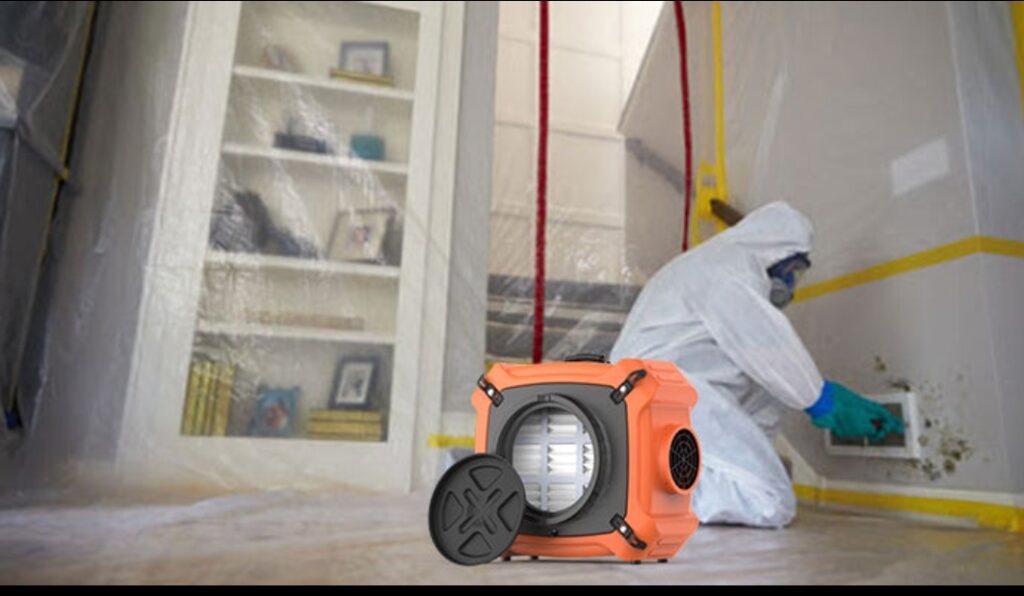
Containment is one of the most critical parts of professional mold remediation. Without it, mold spores can spread to clean areas of the home during removal.
In Pembroke Pines homes, proper containment usually involves:
- Sealing off affected rooms
- Using plastic barriers
- Creating negative air pressure
- Controlling airflow during work
Containment protects the rest of the home and keeps remediation focused only where needed.
Why Moisture Control Comes First
Mold cannot grow without moisture. Effective remediation always begins with identifying and correcting the moisture source. Removing mold without addressing moisture is a temporary fix at best.
Common moisture sources found during remediation include:
- High indoor humidity
- AC condensation and drain line issues
- Plumbing leaks inside walls
- Roof or window intrusion
Until moisture is controlled, mold growth is likely to continue regardless of cleaning efforts.
What Materials Can Be Safely Cleaned
Not all materials need to be removed during mold remediation. Some non-porous and semi-porous materials can often be cleaned effectively when mold growth is limited.
These may include:
- Metal HVAC components
- Certain plastics
- Tile and sealed surfaces
Professional judgment determines whether cleaning or removal is appropriate based on material type and contamination level.
When Material Removal Is Necessary
Porous materials that absorb moisture often cannot be fully cleaned once mold growth is established. In these cases, removal is the safest and most effective option.
Materials commonly removed during remediation include:
- Drywall
- Insulation
- Carpet padding
- Particle board or pressboard
Removing contaminated materials prevents ongoing spore release and allows proper drying of the structure.
How Air Quality Is Protected During Remediation
Protecting indoor air quality is a major priority during mold remediation. Professionals use specialized equipment to capture airborne particles and prevent cross-contamination.
This often includes:
- HEPA air scrubbers
- Negative air machines
- Controlled work zones
These tools help ensure that mold spores are removed from the air rather than spread throughout the home.
Why DIY Mold Remediation Often Fails
DIY remediation attempts are common, but inspections frequently show that they make problems worse. Without proper containment and moisture control, spores spread and mold returns.
DIY remediation often fails because:
- Hidden growth is missed
- Spores spread during removal
- Moisture issues remain unresolved
- Cleaning products are ineffective on porous materials
This usually results in repeated mold problems and higher costs later.
How Long Proper Mold Remediation Takes
The duration of mold remediation depends on the size of the affected area, the materials involved, and the moisture conditions. Some projects are completed quickly, while others require more time.
What matters most is not speed, but thoroughness. Rushing remediation increases the chance of recurrence.
What Happens After Remediation
After mold remediation, affected areas are dried, cleaned, and prepared for repair or restoration. Follow-up inspections may be recommended to ensure moisture levels are normal and no additional mold growth is present.
This step helps confirm that remediation was successful and that conditions are no longer favorable for mold.
When Homeowners Should Consider Remediation
Professional mold remediation is recommended when:
- Mold keeps returning after cleaning
- Hidden mold is discovered
- There has been water damage
- Indoor air quality is affected
- Mold growth covers more than a small area
Early remediation often limits the extent of work and reduces overall cost.
Mold Remediation Services in Pembroke Pines
Homes in Pembroke Pines face ongoing humidity and moisture challenges that make proper mold remediation especially important. A professional approach ensures mold is addressed safely and effectively.
We provide:
- Professional mold remediation
- Containment and removal
- Moisture source identification
- Indoor air quality protection
- Clear, practical guidance
