
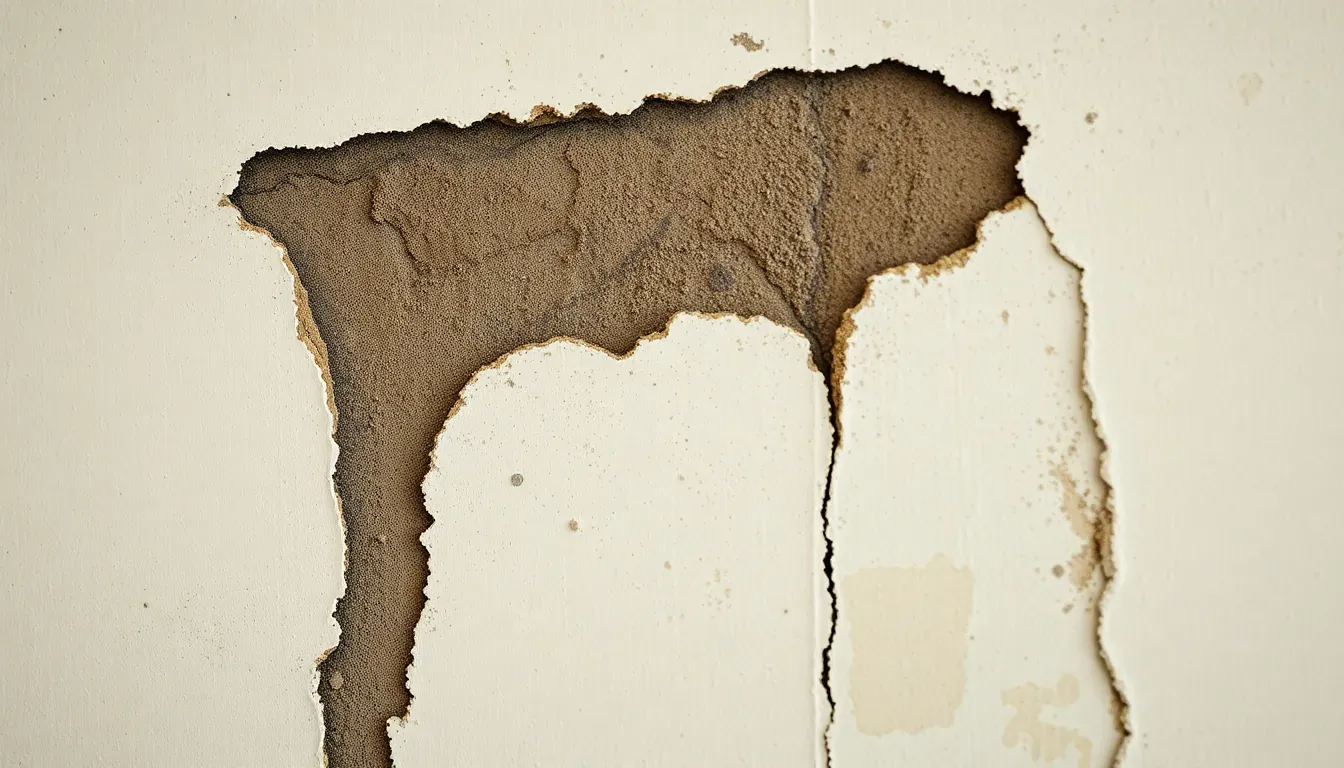
The Science Explained Simply: Hidden Mold Insights for Homes in Fort Lauderdale
Most mold problems don’t start with a dramatic black patch on a wall. They start quietly—behind drywall, inside ducts, or under flooring—where nobody looks. I’ve walked into homes in Fort Lauderdale that smelled perfectly fine in the living room, but once we opened a wall or inspected a vent, the story changed fast.
Hidden mold isn’t mysterious once you understand the science. And honestly, once you know how it forms, you start noticing warning signs everywhere.
Let’s break it down in plain English.
Why Mold Grows Where You Can’t See It
Mold needs three things to grow: moisture, organic material, and time. Homes provide all three almost effortlessly.
Drywall, wood, dust, insulation, and even carpet fibers all feed mold. Add a slow leak or humidity, and mold settles in like an uninvited guest who refuses to leave.
The Moisture Factor
In Fort Lauderdale, Hollywood, Davie, and Plantation, we see the same causes again and again:
- AC condensation buildup
- Roof leaks after storms
- Plumbing drips behind walls
- Poor bathroom ventilation
- High indoor humidity
Moisture trapped in dark areas creates perfect conditions for hidden mold.
Ever noticed how a closet on an exterior wall feels slightly damp sometimes? That’s exactly the kind of environment mold loves.
The Science of Mold Spores and Airflow
Here’s where things get interesting. Mold doesn’t stay in one place. It spreads through spores, which are microscopic and float through the air constantly.
How Spores Move Through a Home
Spores travel through:
- HVAC systems and air ducts
- Air currents from ceiling fans
- Foot traffic and fabrics
- Open doorways between rooms
That’s why mold testing often detects spores in rooms where no visible mold exists. The growth might sit inside a wall or duct, but the air carries evidence everywhere.
Sounds a bit creepy, right? But it’s just physics and airflow doing their thing.
Why Hidden Mold Often Goes Undetected
Hidden mold rarely announces itself clearly. It gives subtle clues that people overlook.
Early Warning Signs Homeowners Miss
Watch for:
- A faint musty odor that comes and goes
- Allergy symptoms indoors but not outdoors
- Warped baseboards or slight wall discoloration
- AC vents that smell unusual when running
I’ve had homeowners say, “I thought the smell came from old furniture.” Turns out, the mold sat inside the wall behind that furniture.
Smell often becomes the first indicator of hidden mold.
Where We Commonly Find Hidden Mold
During mold inspection and mold remediation projects across Broward County, certain locations show up repeatedly.
The Most Common Hidden Areas
We frequently find mold:
- Behind drywall near plumbing lines
- Inside HVAC ducts and air handlers
- Under laminate or vinyl flooring
- Around window frames
- Inside attic insulation
Homes in Sunrise, Tamarac, Coral Springs, and Pompano Beach often develop mold inside ducts because AC systems run constantly in humid weather.
Ever opened a vent and wondered why it looked darker than expected? That sometimes signals mold buildup rather than dust.
Why Mold Removal Requires More Than Cleaning
A lot of people try DIY cleaning first. That makes sense—who doesn’t want a quick fix? But surface cleaning only removes visible mold, not the source.
The Difference Between Removal and Remediation
Mold removal focuses on cleaning contaminated materials.
Mold remediation focuses on:
- Finding moisture sources
- Containing affected areas
- Removing damaged materials
- Cleaning air systems
- Preventing regrowth
Stopping the moisture source always determines success.
Would you keep mopping a floor while a pipe keeps leaking? Same logic applies here.
The Health Side of Hidden Mold
Hidden mold often affects air quality long before people realize it.
Symptoms Linked to Long-Term Exposure
Homeowners often report:
- Persistent coughing or sneezing
- Sinus congestion
- Fatigue indoors
- Headaches
- Worsening asthma symptoms
Not everyone reacts the same way. Some people feel nothing, while others notice symptoms quickly. Ever wondered why one family member feels miserable while another feels fine? Sensitivity varies a lot.
Children, seniors, and people with respiratory issues usually react first.
FYI, many homeowners notice improvement in breathing and sleep after proper mold remediation.
Why Mold Testing Matters
Some homeowners ask, “Can’t we just clean everything and skip testing?” I get the question—but testing provides crucial information.
What Mold Testing Reveals
Testing helps:
- Measure airborne spore levels
- Identify mold types
- Locate hidden growth areas
- Guide remediation plans
Testing reduces guesswork and prevents incomplete cleanup.
IMO, testing saves money in the long run because it targets the real problem instead of chasing symptoms.
Why Fort Lauderdale Homes Face Higher Mold Risk
South Florida’s climate makes mold prevention harder than in most regions.
Local Conditions That Encourage Mold Growth
Homes in Fort Lauderdale, Oakland Park, Deerfield Beach, and Coconut Creek deal with:
- High humidity year-round
- Frequent storms and heavy rain
- Long AC operating hours
- Salt air and coastal moisture
Even well-maintained homes develop mold if humidity stays high long enough.
Mold doesn’t care whether a house looks spotless—it cares about moisture.
Simple Ways to Reduce Hidden Mold Risk
You don’t need complicated equipment to lower the chances of hidden mold.
Practical Prevention Tips
- Keep indoor humidity below 55%
- Run exhaust fans in bathrooms and kitchens
- Inspect under sinks regularly
- Clean AC drain lines and change filters
- Schedule periodic mold inspection and mold testing
Small steps make a big difference. Mold grows slowly, so prevention works best when it becomes routine.
Ever postponed checking a small leak because it didn’t seem urgent? Yeah… mold loves procrastination more than homeowners do 🙂
What Mold Remediation Actually Achieves
Many people think remediation only removes mold, but the real benefit goes deeper.
Proper mold remediation:
- Improves indoor air quality
- Stops structural damage
- Prevents mold from returning
- Restores a healthier living environment
Homes across Fort Lauderdale and Broward County benefit from early detection. Waiting almost always makes remediation more extensive and expensive.
Final Thoughts: Understanding Mold Makes It Easier to Control
Hidden mold isn’t magic or mystery—it’s science. Moisture, airflow, and time create conditions where mold grows quietly out of sight.
Here’s the key takeaway:
- Mold often hides in walls, ducts, and flooring
- Airflow spreads spores throughout the home
- Moisture drives nearly every mold problem
- Testing identifies hidden risks
- Remediation solves the root cause, not just the symptoms
