
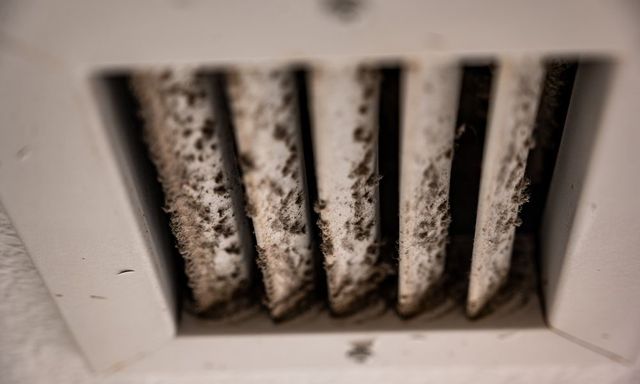
Real Risks, Not Fear Tactics: HVAC Mold Insights for Homes in Tamarac
HVAC mold gets sold like a horror movie. One mention of it and suddenly homeowners hear words like “toxic,” “dangerous,” and “full system replacement.” That kind of talk grabs attention, but it doesn’t help people make smart decisions. In Tamarac homes, what we actually see inside HVAC systems is far more practical—and far less dramatic—than the fear-based version floating around online.
First Things First: HVAC Systems Don’t “Create” Mold
This misunderstanding fuels a lot of panic.
What Actually Causes HVAC Mold
Mold grows when it has:
- Moisture
- Moderate temperatures
- Organic material
HVAC systems don’t invent these conditions. They collect moisture by design through condensation. When that moisture doesn’t drain or dry properly, mold takes advantage.
The Real Risk Starts With Moisture, Not Mold
Mold is the symptom. Moisture is the problem.
Where HVAC Moisture Comes From
Inside HVAC systems, moisture typically comes from:
- Condensation on evaporator coils
- Water collecting in drain pans
- High indoor humidity entering the system
- Short cooling cycles that don’t allow drying
In Tamarac’s humid climate, these conditions show up frequently—and quietly.
What HVAC Mold Really Looks Like in Tamarac Homes
It’s rarely what homeowners imagine.
What Inspections Commonly Reveal
In most Tamarac homes, HVAC mold appears as:
- Light to moderate growth on coils
- Mold inside drain pans or nearby surfaces
- Damp internal insulation
- Localized contamination inside air handlers
It’s usually contained, not catastrophic. Inspection defines scope instead of assuming worst-case scenarios.
Real Risk #1: HVAC Systems Can Spread Mold Spores
This is where the concern becomes legitimate.
How Spread Actually Happens
When mold grows inside HVAC components:
- Spores release into moving air
- Airflow distributes spores through ductwork
- Spores settle throughout the home
This doesn’t mean the home becomes unsafe overnight. It means the source needs attention before spread continues.
Fear Tactic #1: “All Ducts Must Be Replaced”
This claim causes unnecessary stress and expense.
What Inspections Actually Support
In real Tamarac inspections:
- Many cases involve localized contamination
- Duct replacement is rarely automatic
- Moisture correction often resolves the issue
Duct replacement only becomes necessary when materials are damaged beyond cleaning—not just because mold exists.
Real Risk #2: Ignoring Condensation
Condensation is one of the earliest warning signs.
Where Condensation Shows Up First
In Tamarac homes, condensation commonly appears:
- On supply vents
- Around duct boots
- On metal HVAC components
Condensation means moisture is active. Mold often follows if nothing changes.
Fear Tactic #2: “Any HVAC Mold Is Immediately Dangerous”
This exaggeration creates panic, not solutions.
What Actually Determines Risk
Risk depends on:
- Amount of mold present
- Duration of exposure
- Airflow and circulation
- Moisture persistence
Small, localized growth poses far less risk than ongoing moisture feeding continuous spread.
HVAC Mold Often Starts in One Specific Place
Understanding this changes everything.
Where Mold Usually Begins
Inspections in Tamarac homes most often find mold:
- On evaporator coils
- In drain pans
- On internal HVAC insulation
Ducts usually become involved after spores move through airflow. They’re not the starting point.
Why HVAC Mold Often Has No Smell
Waiting for odor delays action.
Why Odor Comes Late
Early HVAC mold growth:
- Releases spores quietly
- Stays thin and hidden
- Doesn’t always produce strong smells
By the time a musty odor appears, mold often existed for a while.
Real Risk #3: Indoor Air Quality Decline
This is where homeowners usually notice something’s wrong.
Common Complaints Linked to HVAC Mold
Homeowners in Tamarac often report:
- Allergy symptoms indoors
- Nasal congestion
- Headaches or fatigue
- Symptoms improving outside the home
These patterns frequently point inspectors toward HVAC-related mold involvement.
Fear Tactic #3: “Duct Cleaning Fixes Everything”
This oversimplifies the problem.
What Duct Cleaning Can and Can’t Do
Duct cleaning can:
- Remove dust and debris
- Improve airflow
It cannot:
- Fix condensation
- Remove mold from coils
- Stop moisture-driven regrowth
Cleaning without moisture correction leads to repeat problems.
Mold Removal vs Mold Remediation: Why This Matters
These terms are not interchangeable.
Why Mold Removal Alone Falls Short
Mold removal:
- Cleans visible growth
- Leaves moisture active
- Allows mold to return
Why Mold Remediation Works
Proper remediation includes:
- Containment to prevent spore spread
- HEPA air filtration
- Cleaning or replacing affected components
- Moisture and drainage correction
- Preventive treatments
Remediation changes the conditions mold needs to survive.
Why Tamarac Homes Are Especially Vulnerable
Climate shapes outcomes.
Local Factors That Increase Risk
Homes in Tamarac deal with:
- High year-round humidity
- Long AC run times
- Slow indoor drying
- Tightly sealed construction
These conditions keep HVAC systems damp longer than homeowners expect.
When HVAC Mold Becomes a Bigger Problem
Delay changes the equation.
What Happens When It’s Ignored
Ignoring HVAC mold often leads to:
- Wider spore distribution
- Duct involvement
- Higher remediation costs
- Longer exposure time
Early action keeps scope limited.
Mold Inspection Replaces Fear With Facts
Inspection changes the conversation completely.
What HVAC-Focused Inspection Reveals
Inspection identifies:
- Exact mold locations
- Moisture sources
- HVAC component involvement
- Whether ducts are actually affected
This clarity prevents overspending and under-treating at the same time.
Mold Testing: When It Actually Helps
Testing isn’t automatic, but it has a role.
Situations Where Testing Adds Value
Testing supports inspection when:
- Symptoms exist without visible mold
- HVAC contamination seems likely
- Documentation is required
Testing confirms exposure. Inspection explains the cause.
Practical Advice Without the Drama
You don’t need scare tactics. You need consistency.
Smart, Evidence-Based Steps
- Address condensation early
- Control indoor humidity
- Maintain HVAC drainage
- Inspect systems regularly
- Treat moisture, not just mold
These steps reduce real risk without unnecessary expense.
When Immediate Action Makes Sense
Don’t delay when:
- Mold appears in multiple rooms
- HVAC smells damp during operation
- Condensation persists
- Health symptoms worsen indoors
At this stage, ignoring it often increases cost.
What Responsible Professionals Focus On
Good professionals don’t rely on fear.
Responsible HVAC Mold Solutions Prioritize
- Accurate inspection
- Defined scope
- Moisture correction
- Targeted remediation
Fear-based selling creates confusion. Fact-based work creates results.
Final Thoughts: Real Risks Deserve Real Solutions
HVAC mold in Tamarac homes isn’t something to panic about—but it’s not something to ignore either. The real risk isn’t mold itself. It’s moisture staying active long enough to let mold spread. Fear tactics push homeowners into rushed decisions. Facts lead to effective ones.
