
Why Ignoring It Costs More: Mold Testing Insights for Homes in
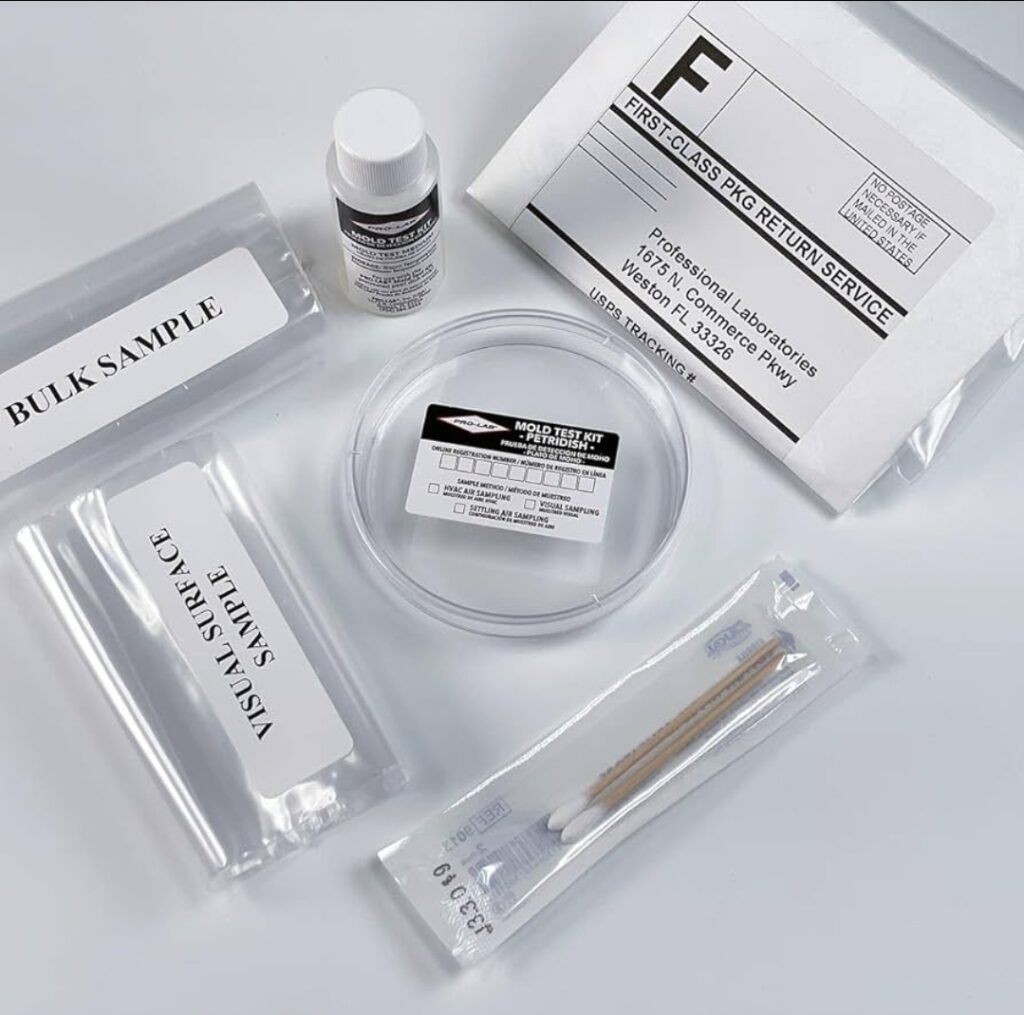
In South Florida’s humid environment, mold can exist and spread quietly. Mold testing helps determine whether indoor conditions are normal or elevated, especially when there are odors, past water issues, or recurring mold. Ignoring these signs allows hidden problems to grow, which is where costs begin to rise.
Mold testing provides data about what’s happening in the air and within the home. It helps identify whether mold spores are present at elevated levels and whether those levels suggest active growth somewhere in the structure.
Inspection data from Tamarac homes shows mold testing is most valuable when:
- Mold keeps returning after cleaning
- Musty odors persist
- There has been past water damage
- Indoor air quality feels uncomfortable
Without testing, homeowners often rely on guesswork, which leads to delayed or incorrect decisions.
One of the biggest reasons ignoring mold testing costs more is hidden mold. Mold frequently grows in areas that are not visible, such as behind drywall, inside wall cavities, or within HVAC systems. By the time visible signs appear, the problem has usually spread.
Testing often reveals:
- Elevated airborne mold spores
- Mold activity linked to HVAC operation
- Patterns suggesting hidden moisture issues
Catching these issues early limits how far mold can spread.
Inspection data shows a strong connection between mold testing and moisture detection. Elevated mold levels almost always correlate with unresolved moisture problems.
Common moisture issues found in Tamarac homes include:
- High indoor humidity
- AC condensation or drain line problems
- Plumbing leaks inside walls
- Roof or window intrusion
Ignoring testing means ignoring the data pointing to these underlying issues.
HVAC systems play a major role in mold testing results. Because HVAC systems circulate air throughout the home, mold spores from one hidden area can affect multiple rooms.
Testing often shows:
- Higher spore levels near vents
- Mold patterns tied to AC usage
- Whole-home air quality concerns
When HVAC-related mold is ignored, remediation becomes far more extensive later.
Many homeowners rely on surface cleaning instead of testing. Inspection data shows this approach often masks the problem rather than solving it. Cleaning removes visible mold but does not address airborne spores or hidden growth.
As a result:
- Mold appears to “come back”
- Odors persist
- Costs increase as mold spreads
Testing helps confirm whether cleaning was effective or if deeper issues remain.
DIY mold test kits are another reason problems escalate. These kits often detect mold without providing context, leading homeowners to either panic or dismiss results entirely.
Professional mold testing is different because it:
- Compares indoor and outdoor air
- Uses controlled sampling
- Includes professional interpretation
This prevents both overreaction and inaction.
Inspection data clearly shows that early mold testing reduces costs. Homes that test early often require:
- Less remediation
- Fewer materials removed
- Shorter project timelines
Homes that delay testing typically face larger, more expensive projects once mold is finally confirmed.
Mold testing also helps avoid unnecessary work. When testing shows normal mold levels, homeowners can avoid costly remediation that isn’t needed. When levels are elevated, testing helps focus remediation only where required.
This targeted approach:
- Saves money
- Reduces disruption
- Protects property value
Ignoring testing removes this clarity.
Another key finding from inspection data is that mold testing often answers questions homeowners have been worrying about for months. Uncertainty itself leads to delayed action, which increases damage.
Testing replaces uncertainty with facts.
Homes in face constant humidity and moisture challenges, making mold testing an important preventive tool—not an optional extra.
