
Early Warning Signs of Mold Growth – The Science Explained Simply for Homes in
Mold growth rarely starts with obvious black patches on walls. In most Coral Springs homes, the earliest signs are subtle and easy to dismiss. The science behind mold growth explains why these early indicators appear long before mold becomes visible—and why paying attention early can prevent larger problems later.
Mold spores are always present in indoor air. What allows them to grow is moisture combined with time. When conditions are right, mold begins developing quietly, often in hidden areas. Understanding the early warning signs helps homeowners recognize when indoor conditions are shifting in a way that supports mold growth.
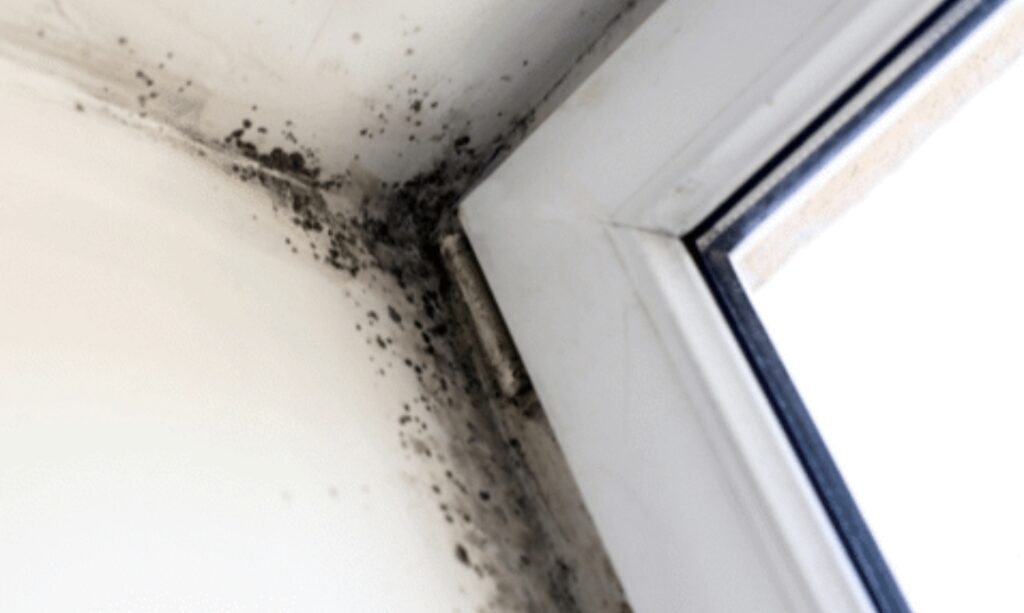
One of the earliest signs of mold growth is a persistent musty or earthy odor. Scientifically, this smell comes from microbial volatile organic compounds released as mold begins to grow. In Coral Springs homes, these odors often appear intermittently at first and may be stronger when the AC is running or after the home has been closed for a while.
Increased indoor humidity is another key early indicator. When humidity stays elevated, moisture lingers on surfaces and inside materials. Inspection data shows that many mold problems begin when indoor humidity remains above recommended levels for extended periods, even without visible leaks.
Signs humidity may be too high include:
- Air that feels heavy or damp
- Condensation on vents or windows
- Difficulty maintaining comfort
High humidity creates ideal conditions for mold spores to activate.
Condensation in unusual places is another early warning sign. From a scientific perspective, condensation forms when warm, moist air meets cooler surfaces. In Coral Springs homes, this often occurs around AC vents, exterior walls, or inside closets.
Repeated condensation allows moisture to soak into nearby materials, providing mold with the water it needs to grow beneath the surface.
Changes in indoor air quality often appear early as well. Homeowners may notice air that feels stale or uncomfortable even when temperatures are normal. This happens because moisture changes how air carries particles, allowing dust, allergens, and spores to remain airborne longer.
These changes often occur before mold is visible.
Recurring surface mold or mildew is another important signal. When mold keeps returning in the same area after cleaning, it usually means moisture is still present. Scientifically, mold regrowth indicates that conditions remain favorable beneath the surface.
This is common in:
- Bathrooms
- Around windows
- Near AC components
Repeated regrowth is an early warning that deeper issues exist.
Subtle material changes can also signal early mold activity. These may include:
- Peeling or bubbling paint
- Slight wall discoloration
- Soft or warped materials
These changes occur as moisture penetrates materials, often before mold becomes visible.
HVAC-related changes are another early indicator. Mold often begins near air handlers or ductwork due to condensation. Homeowners may notice:
- Musty smells when the AC starts
- Odors that move room to room
- Dust buildup near vents
These signs often point to moisture-related mold activity near HVAC components.
From a scientific standpoint, time is a critical factor. Mold does not need a flood or major leak to grow. Small amounts of moisture over time are enough. This is why early warning signs are often gradual rather than sudden.
Ignoring these signs allows mold colonies to expand and spread into surrounding materials.
Early inspection data shows that addressing these warning signs promptly:
- Limits mold growth
- Reduces remediation needs
- Protects indoor air quality
- Lowers long-term costs
Waiting allows mold to become established and harder to control.
