
Why Mold Keeps Returning After DIY Cleaning – A Homeowner’s Guide for Homes in
Oakland Park’s humidity, frequent AC use, and tightly sealed homes make this problem especially common. Understanding why DIY cleaning fails helps homeowners stop repeating the same steps and finally address the root cause.
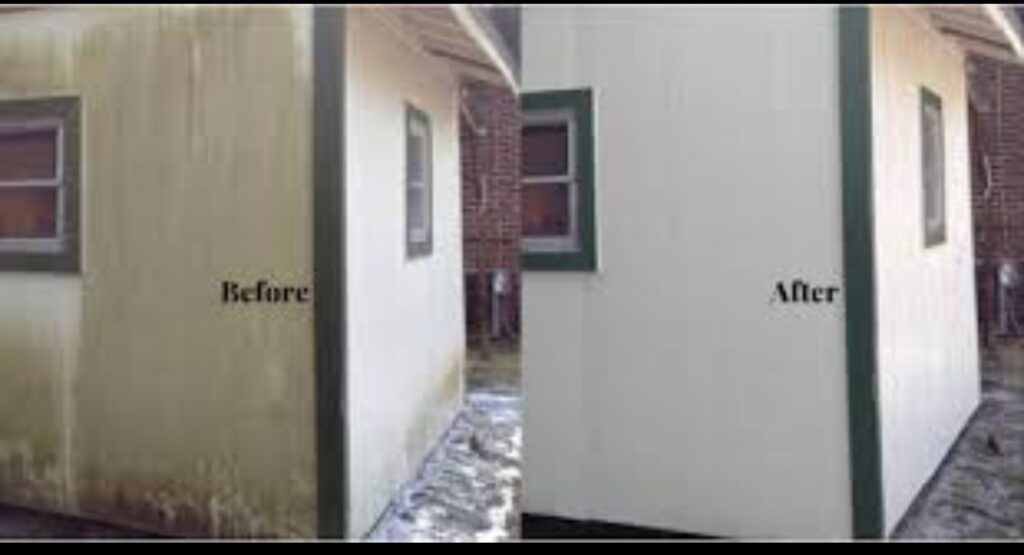
DIY mold cleaning usually focuses on visible staining. Sprays, wipes, and cleaners can remove surface discoloration, but mold grows into materials, not just on them. Drywall, wood, insulation, and grout are porous, which allows mold roots to penetrate beneath the surface.
When only the surface is cleaned:
- Mold remains active inside materials
- Spores continue to release into the air
- Growth resumes once conditions stay favorable
This is why the same spot often turns dark again.
Moisture is the main reason mold returns after cleaning. Mold cannot grow without water, and inspections in Oakland Park homes almost always find unresolved moisture issues behind recurring mold.
Common moisture sources include:
- High indoor humidity
- AC condensation and drain line problems
- Slow plumbing leaks
- Poor bathroom ventilation
If moisture isn’t corrected, mold regrowth is almost guaranteed.
Hidden mold is another major reason DIY cleaning fails. Mold often grows behind walls, under cabinets, or inside HVAC systems. When visible mold is cleaned, the hidden source continues feeding spores back into the space.
Inspections frequently reveal hidden growth:
- Behind bathroom or kitchen drywall
- Under sinks with small leaks
- Around air handlers and ductwork
- Beneath flooring after past water damage
Cleaning visible areas does nothing to stop these sources.
HVAC systems also play a role in recurring mold. When mold or moisture is present near air handlers or ducts, spores circulate through the home every time the AC runs. This can cause mold to reappear in the same room or even new areas.
Homeowners often notice:
- Musty smells when the AC turns on
- Mold appearing in multiple rooms
- Odors that move through vents
DIY cleaning doesn’t address this airflow problem.
Another issue with DIY cleaning is spore spread. Scrubbing or spraying mold without containment can release spores into the air, allowing them to settle elsewhere.
This can result in:
- Mold showing up in nearby rooms
- New growth in hidden areas
- Faster recurrence
Without proper containment, cleaning may actually make the problem worse.
Many homeowners also mistake mildew or surface staining for the full extent of the problem. Repeated cleaning creates the impression that mold is minor, when inspections often show deeper growth inside materials.
When mold keeps returning, it’s a sign that:
- Moisture remains active
- Growth is deeper than visible
- Conditions are still ideal for mold
These are structural and environmental issues—not cleaning issues.
Timing also matters. Mold regrowth doesn’t always happen immediately. It may take weeks before conditions allow visible growth again. This delay makes it seem like cleaning worked, when in reality the mold was still present.
By the time it reappears, growth may be more established.
Inspection data consistently shows that homes relying on repeated DIY cleaning:
- Experience recurring mold
- Delay proper evaluation
- Face larger remediation later
- Spend more over time
Addressing the cause early is far more effective than repeated surface treatment.
A proper solution focuses on:
- Identifying moisture sources
- Locating hidden mold
- Correcting humidity and airflow
- Removing affected materials when necessary
Once moisture is controlled and hidden growth addressed, mold stops returning.
Homes in are especially vulnerable due to humidity and constant AC use. Repeated DIY cleaning is a warning sign that deeper issues exist.
