
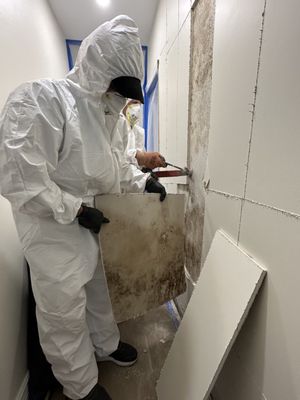
Facts vs Common Myths: Mold Testing Insights for Homes in Miramar
Mold testing gets misunderstood more than almost any other part of the mold process. In Miramar homes, we constantly meet homeowners who either think mold testing is pointless or believe it’s the only thing that matters. Both ideas cause problems—and usually lead to wasted money or delayed solutions.
What real inspections and real testing results show is this: mold testing is a tool, not a solution. When used correctly, it answers important questions. When misunderstood, it creates confusion, false confidence, or unnecessary panic. Let’s break down the biggest myths homeowners in Miramar believe about mold testing—and replace them with facts that actually help.
Myth #1: Mold Testing Tells You If Your Home Has Mold
This is the most common misunderstanding.
The Fact
Mold testing doesn’t determine whether mold exists. It measures airborne spores or surface samples at a specific moment in time. Mold can exist behind walls, under floors, or inside HVAC systems without showing up clearly in test results.
Testing supports an investigation—it doesn’t replace one.
Myth #2: A “Clean” Mold Test Means Your Home Is Mold-Free
This myth causes the most damage.
The Fact
In Miramar homes, we regularly inspect properties with:
- Normal test results
- No visible mold
- No strong odor
And still find hidden mold behind drywall or inside HVAC systems. Mold testing captures a snapshot. Hidden growth doesn’t always release spores consistently, especially early on.
A clean test does not equal a clean home.
Myth #3: Mold Testing Comes First in the Process
This reverses the correct order.
The Fact
Professional inspections always come before testing. Inspection:
- Identifies moisture sources
- Locates potential mold growth
- Determines whether testing adds value
Testing without inspection is guesswork. Inspection without testing often provides enough information to move forward confidently.
Myth #4: Mold Testing Finds the Exact Location of Mold
This assumption creates frustration.
The Fact
Mold testing shows presence, not location. A test may confirm spores exist in indoor air, but it cannot tell you:
- Which wall contains mold
- Whether HVAC systems are involved
- How widespread growth actually is
Only inspection connects test data to real-world conditions.
Myth #5: Mold Testing Measures Health Risk Directly
This is where fear tactics thrive.
The Fact
There is no universal “safe” or “dangerous” mold number. Risk depends on:
- Duration of exposure
- Individual sensitivity
- Airflow patterns
- Ongoing moisture
Mold testing helps assess exposure potential—not medical diagnosis or guaranteed risk.
Why Mold Testing Still Matters When Used Correctly
Testing isn’t useless. It’s just misunderstood.
What Mold Testing Does Well
When used properly, mold testing:
- Confirms airborne spore presence
- Compares indoor vs outdoor levels
- Supports suspected HVAC contamination
- Provides documentation
In Miramar homes, testing often helps validate concerns, not discover surprises.
Myth #6: Mold Testing Replaces Mold Inspection
This misconception wastes money fast.
The Fact
Testing without inspection often leads to:
- Vague results
- No clear next steps
- Repeat testing
- Delayed remediation
Inspection explains why mold exists. Testing supports that explanation when needed.
Myth #7: Mold Testing Is Always Necessary
This belief creates unnecessary expense.
The Fact
Many Miramar homes do not require mold testing to move forward. If:
- Visible mold exists
- Moisture sources are clear
- HVAC involvement is obvious
Testing may not change the remediation plan at all. In those cases, inspection alone guides action effectively.
When Mold Testing Makes Sense in Miramar Homes
This is where testing actually adds value.
Situations Where Testing Helps
Mold testing is useful when:
- Symptoms exist without visible mold
- HVAC contamination is suspected
- Mold growth is hidden
- Documentation is required for real estate or insurance
In these scenarios, testing supports decisions instead of delaying them.
Myth #8: Mold Testing Can Identify Mold Type Accurately Every Time
This belief creates false confidence.
The Fact
Some tests identify general mold categories—not exact species. Results often group molds broadly. More importantly, mold type rarely changes the solution.
Moisture correction and proper remediation matter more than species names.
Why Miramar Homes Complicate Mold Testing
Climate affects results more than people realize.
Local Factors That Matter
Homes in Miramar deal with:
- High year-round humidity
- Heavy AC usage
- Slow indoor drying
- Frequent condensation
These conditions can cause fluctuating spore levels, making single tests less definitive without inspection context.
Myth #9: Mold Testing Explains Why Mold Keeps Returning
This assumption delays real fixes.
The Fact
Mold testing doesn’t explain recurrence. Inspection does. When mold returns, inspectors almost always find:
- Ongoing moisture
- HVAC contamination
- Hidden growth never addressed
Testing may confirm spores—but it doesn’t stop regrowth.
Air Testing vs Surface Testing: What Homeowners Get Wrong
Both get misunderstood.
Air Testing
- Measures airborne spores
- Useful for exposure assessment
- Doesn’t locate hidden mold
Surface Testing
- Confirms mold presence on a surface
- Doesn’t show extent
- Doesn’t identify moisture source
Neither replaces inspection. Both support it when used intentionally.
Mold Testing and HVAC Systems: The Right Way to Use It
HVAC-related mold often confuses results.
How Testing Helps With HVAC Concerns
In Miramar homes, testing can:
- Confirm airborne spread
- Compare supply vs return air
- Support suspected internal contamination
But inspection still determines which components need attention.
Myth #10: More Mold Testing Means Better Answers
This one gets expensive.
The Fact
Repeated testing without corrective action often:
- Produces inconsistent results
- Increases anxiety
- Delays remediation
Testing should guide decisions—not replace them or repeat endlessly.
What Mold Testing Cannot Do
Clarity matters here.
Mold Testing Cannot:
- Fix mold
- Stop growth
- Identify moisture sources
- Replace remediation
It’s a diagnostic tool—not a solution.
Practical Advice From Real Inspections in Miramar
Here’s what actually works.
Smart, Expert-Backed Approach
- Start with inspection
- Identify moisture first
- Use testing selectively
- Interpret results in context
- Act on causes, not numbers
This approach saves time, money, and frustration.
Warning Signs Testing Might Be Helpful
Based on inspection patterns:
- Ongoing symptoms without visible mold
- Mold odors with no obvious source
- HVAC systems suspected of spreading spores
- Real estate or legal documentation needed
In these cases, testing adds clarity.
When Testing Is a Distraction
Testing becomes a problem when:
- Mold is already visible
- Moisture sources are obvious
- Remediation is clearly needed
At that point, testing often delays the inevitable.
Final Thoughts: Mold Testing Works Best Without Myths
Mold testing in Miramar homes isn’t useless—and it isn’t magic. The biggest mistake homeowners make is expecting it to answer questions it was never designed to solve. Testing works when it supports inspection, moisture detection, and remediation planning.
Inspect first. Test when it adds value. Fix moisture always. When homeowners understand what mold testing can—and can’t—do, decisions get clearer, costs stay lower, and mold problems stop dragging on longer than they should.
