
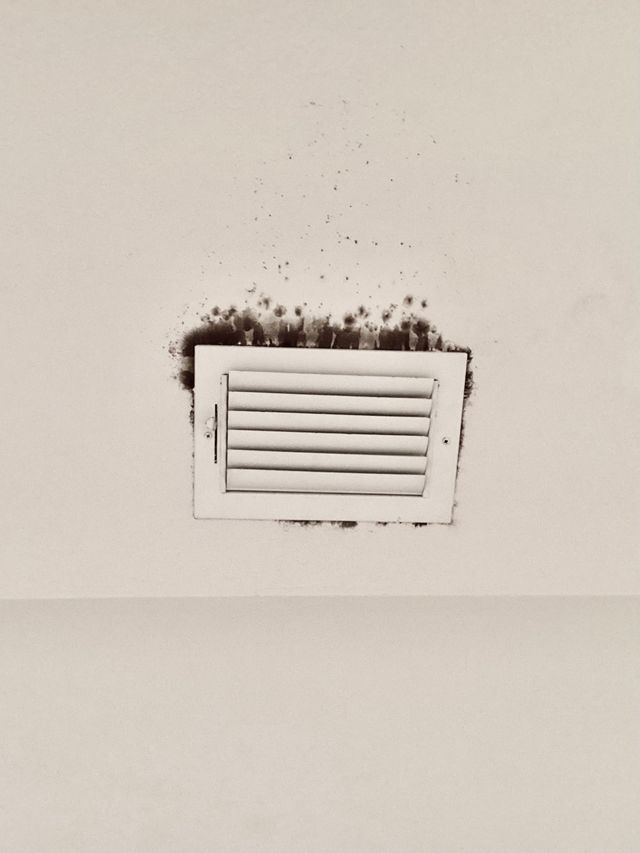
Mold and Allergies: What Homeowners Should Know – What We See Inside Homes for Homes in Miramar
Most homeowners in Miramar don’t start their mold journey by spotting growth on a wall. They start with allergies that suddenly feel worse at home. Sneezing that won’t quit. Sinuses that clear up the moment they step outside. Fatigue that shows up every evening for no obvious reason. That’s usually when the questions start—and when mold quietly enters the conversation.
What we see inside homes across Miramar paints a very consistent picture. Mold and allergy symptoms are often connected, but not in the dramatic way people expect. The problem usually isn’t massive visible growth. It’s hidden mold, moisture-fed HVAC systems, and airborne spores doing their thing behind the scenes. Let’s break down what inspections actually reveal and what homeowners truly need to understand.
Allergies Are Often the First Warning Sign
People notice symptoms before surfaces.
What Homeowners Commonly Report
During inspections, Miramar homeowners often mention:
- Sneezing or congestion at home
- Itchy eyes or throat indoors
- Headaches or fatigue that fade outside
- Symptoms that worsen at night or when AC runs
These patterns almost always point toward indoor air quality issues, not outdoor allergens.
Mold Doesn’t Need to Be Visible to Trigger Allergies
This surprises a lot of people.
What We See During Inspections
In many Miramar homes with allergy complaints, inspectors find:
- No visible mold on walls
- No strong musty odor
- Clean-looking living spaces
And yet, hidden mold shows up behind drywall, under flooring, or inside HVAC systems. Airborne spores affect people long before mold becomes visible.
Why Miramar Homes Create Ideal Conditions for Mold Allergens
Location quietly shapes exposure.
Local Conditions That Matter
Homes in Miramar deal with:
- High year-round humidity
- Heavy air conditioning use
- Slow natural drying
- Condensation inside HVAC systems
These factors allow mold to grow steadily and release spores into indoor air—even in well-maintained homes.
HVAC Systems Play a Major Role in Allergy Symptoms
This connection gets missed constantly.
What We See Inside HVAC Systems
In homes with allergy complaints, HVAC inspections frequently reveal:
- Mold on evaporator coils
- Standing water in drain pans
- Damp internal insulation
- Mold inside air handlers
Once mold enters the HVAC system, spores circulate throughout the home. That’s why symptoms often affect multiple rooms instead of one area.
Why Allergy Symptoms Often Flare When the AC Runs
This pattern shows up over and over.
The Science Behind It
When AC systems turn on:
- Airflow increases spore circulation
- Condensation loosens spores from surfaces
- Spores move through ducts into living spaces
Homeowners often say, “I feel worse when the AC kicks on.” Inspections usually confirm HVAC involvement.
Mold Allergies vs Seasonal Allergies: The Key Differences
This distinction matters.
How Mold-Related Symptoms Behave
Mold-related allergy symptoms often:
- Persist year-round
- Improve when leaving the home
- Worsen in specific rooms
- Flare during high humidity
Seasonal allergies usually follow outdoor pollen cycles. Mold allergies follow indoor moisture patterns.
Hidden Mold Locations That Trigger Allergies Most Often
Visible mold is rarely the main culprit.
Common Hidden Sources We Find
In Miramar homes, allergy-related mold often hides:
- Behind drywall
- Under flooring
- Inside wall cavities
- In HVAC systems
- In attics
These locations release spores into air without obvious surface clues.
Why Odor Isn’t a Reliable Indicator
Many homeowners wait for a smell.
What Inspections Prove
Homes with confirmed mold-related allergy issues often:
- Smell completely normal
- Show no staining
- Feel dry to the touch
Mold can affect air quality long before it produces a noticeable odor.
Mold Exposure and Sensitivity Vary Widely
This is where confusion sets in.
Why One Person Feels It and Another Doesn’t
Sensitivity depends on:
- Individual immune response
- Duration of exposure
- Airflow patterns
- Mold concentration
One family member may feel symptoms immediately while others feel nothing at all. That doesn’t mean the mold isn’t there.
Why DIY Cleaning Rarely Improves Allergy Symptoms
This cycle frustrates homeowners.
What DIY Efforts Usually Miss
DIY cleaning often:
- Removes visible mold
- Misses hidden growth
- Leaves moisture active
- Fails to stop spore circulation
Symptoms improve briefly—then return. Inspections almost always reveal untreated sources.
Mold Removal vs Mold Remediation for Allergy Relief
This difference matters a lot.
Why Mold Removal Alone Falls Short
Mold removal:
- Treats visible surfaces
- Doesn’t address airflow
- Leaves moisture untouched
Why Mold Remediation Works
Proper remediation includes:
- Containment to limit airborne spread
- HEPA air filtration
- Removal of contaminated materials
- HVAC system evaluation
- Moisture correction
- Preventive treatments
Remediation reduces spore exposure—not just surface growth.
Mold Testing and Allergy Complaints: When It Helps
Testing isn’t automatic, but it can help.
When Testing Adds Value
Mold testing supports allergy investigations when:
- Symptoms exist without visible mold
- HVAC contamination is suspected
- Indoor air quality questions remain
Testing confirms airborne exposure. Inspection explains the source.
Why Mold Allergies Often Worsen at Night
This detail shows up often.
What We See During Inspections
Nighttime symptoms often correlate with:
- Longer AC run times
- Closed windows and doors
- Increased spore circulation
Bedrooms also receive prolonged exposure, which explains nighttime congestion or coughing.
Attics and Wall Cavities Contribute More Than People Think
Air doesn’t stay in one place.
Hidden Pathways We See
Mold spores often move through:
- Attic air leakage
- Wall cavities
- Duct penetrations
This explains why symptoms persist even when visible mold isn’t present in living areas.
Why Mold Allergies Often Get Misdiagnosed
Doctors treat symptoms—not buildings.
What Happens Frequently
Homeowners:
- Treat allergies medically
- Replace bedding or carpets
- Clean more frequently
Symptoms persist because the environment never changed. Inspections often uncover the missing link.
Practical Steps Homeowners Can Take Immediately
You don’t need panic. You need clarity.
Smart Actions Based on Real Inspections
- Control indoor humidity
- Address condensation promptly
- Include HVAC systems in evaluations
- Don’t rely on smell alone
- Investigate symptoms that improve outside
These steps reduce exposure while investigations continue.
When Mold Should Be Investigated for Allergy Concerns
Don’t delay when:
- Symptoms persist indoors
- Multiple rooms trigger reactions
- Symptoms worsen when AC runs
- Mold returns after cleaning
At this point, inspection usually reveals hidden growth.
What Responsible Professionals Focus On
Good solutions don’t rely on fear.
What Effective Approaches Prioritize
- Moisture source identification
- HVAC evaluation
- Targeted remediation
- Air quality improvement
Surface cleaning alone rarely resolves allergy complaints.
Final Thoughts: Allergies Often Tell the Mold Story First
What we see inside homes in Miramar confirms this again and again: mold-related allergy symptoms usually show up before mold becomes visible. Sneezing, congestion, fatigue, and irritation aren’t random—they’re often early warnings tied to hidden moisture and airborne spores.
Pay attention to patterns. Inspect early. Fix moisture, not just symptoms. When homeowners treat allergies as a signal instead of a mystery, mold problems stop hiding—and solutions finally start working.
