
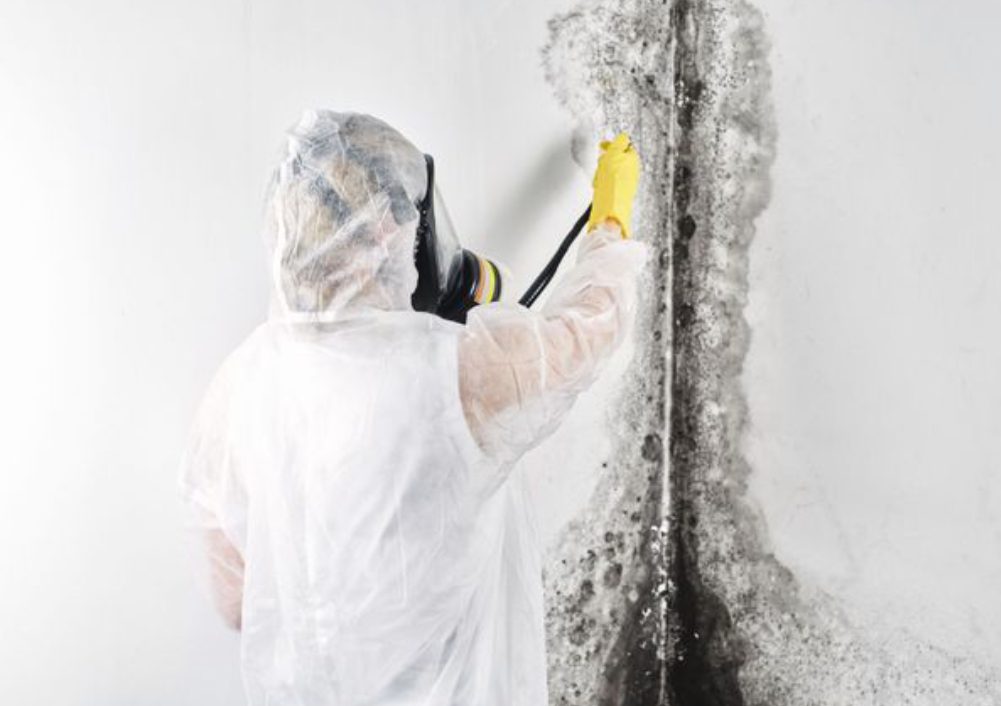
A Homeowner’s Guide: Mold Remediation Insights for Homes in
Mold remediation can feel overwhelming for homeowners in Miramar, especially when advice online ranges from “just clean it” to “tear everything out.” What real inspections and remediation projects show is a much more practical path. Effective mold remediation is about removing mold safely, correcting moisture problems, and preventing the issue from returning—not overreacting or cutting corners.
Miramar’s humidity, frequent rain, and constant air conditioning make mold a common issue even in well-maintained homes. Understanding how remediation actually works helps homeowners know when it’s needed, what to expect, and why doing it correctly the first time matters.
Mold remediation is not the same as mold cleaning. Cleaning focuses on visible staining, while remediation addresses the source, spread, and conditions that allow mold to exist. In Miramar homes, remediation usually becomes necessary when mold is hidden, recurring, or affecting porous materials.
Proper remediation focuses on:
- Identifying all affected areas
- Containing mold to prevent spread
- Removing contaminated materials when required
- Cleaning salvageable surfaces
- Correcting moisture and humidity issues
Skipping any of these steps often leads to repeat problems.
One of the biggest misconceptions homeowners have is believing surface cleaning equals remediation. Mold grows into materials like drywall, wood, and insulation. Even if a wall looks clean, mold can remain active beneath the surface.
Inspections frequently reveal regrowth because:
- Mold roots were never removed
- Moisture sources were left uncorrected
- Spores spread during improper cleaning
This is why mold often returns weeks or months later.
Containment is a critical part of remediation that homeowners rarely see but always benefit from. When mold is disturbed, spores become airborne. Without containment, those spores spread to clean areas of the home.
Professional remediation in Miramar homes typically uses:
- Sealed plastic barriers
- Negative air pressure
- HEPA filtration
This keeps mold confined and protects indoor air quality during removal.
Moisture control is the foundation of successful remediation. Mold cannot grow without moisture, and inspections in Miramar almost always trace mold problems back to ongoing moisture issues.
Common moisture sources include:
- High indoor humidity
- AC condensation and drain line issues
- Plumbing leaks
- Roof or window intrusion
Removing mold without fixing moisture is only a temporary solution.
Not all materials affected by mold must be removed. Non-porous materials can often be cleaned safely when contamination is limited. However, porous materials that absorb moisture usually cannot be fully cleaned once mold is established.
Materials commonly requiring removal include:
- Drywall
- Insulation
- Carpet padding
- Pressboard
Removing these materials prevents continued spore release and allows proper drying of the structure.
HVAC systems often play a role in remediation projects. Mold near air handlers or inside ductwork can reintroduce spores into the home even after remediation elsewhere.
Inspections often include:
- Evaluating HVAC moisture
- Inspecting air handlers and ductwork
- Addressing airflow and drainage issues
Correcting HVAC-related moisture helps remediation last.
DIY remediation attempts are common but rarely successful long term. Without containment and moisture control, DIY efforts often spread spores and delay proper treatment.
What inspections show after DIY attempts:
- Hidden mold remains active
- Mold spreads to nearby areas
- Costs increase when professional remediation is finally needed
Professional remediation focuses on stopping the problem, not masking it.
After remediation, drying and verification are essential. Affected areas are dried thoroughly, and conditions are checked to ensure moisture levels are normal. This step helps confirm that the environment no longer supports mold growth.
Homes that skip this step often experience recurrence.
Timing makes a significant difference. Early remediation usually involves smaller areas and lower costs. Delayed remediation allows mold to spread into additional materials, increasing both disruption and expense.
Real-world data consistently shows early action leads to better outcomes.
Homes in face ongoing humidity challenges, making professional mold remediation an important solution when mold is present.
👉 Contact us today to schedule a professional mold remediation evaluation and protect your Miramar home the right way.
