
Why Ignoring It Costs More: Mold Remediation Insights for Homes in
Mold problems in Deerfield Beach homes often start small and easy to overlook. A little discoloration, a faint musty smell, or a spot that keeps coming back after cleaning doesn’t always feel urgent. What real inspections and remediation projects consistently show, however, is that waiting almost always makes mold problems more expensive and more disruptive.
In South Florida’s humid climate, mold doesn’t stay contained when it’s ignored. Moisture continues feeding growth behind walls, under flooring, and inside HVAC systems. By the time homeowners decide to act, remediation is often more extensive than it needed to be. Understanding why delays increase costs helps homeowners make smarter decisions earlier.
One of the biggest reasons mold remediation becomes expensive is hidden growth. Mold rarely stays on the surface. In Deerfield Beach homes, inspections often reveal mold spreading inside drywall, insulation, or cabinetry long before it becomes visible.
When mold is ignored:
- Growth expands into surrounding materials
- Affected areas increase in size
- More materials require removal
Early remediation usually involves smaller, targeted areas. Delayed remediation often means opening walls and ceilings.
Moisture is always the driving factor. Mold cannot grow or spread without it. Inspections consistently trace costly remediation projects back to unresolved moisture issues that were ignored early on.
Common moisture sources include:
- High indoor humidity
- AC condensation or drain line problems
- Plumbing leaks inside walls
- Roof or window intrusion
As moisture continues, mold colonies grow larger and harder to contain.
Another cost factor is spread during normal daily activity. Mold releases spores into the air, and HVAC systems circulate those spores throughout the home. When mold is ignored, contamination rarely stays in one room.
Inspection findings often show:
- Mold affecting multiple rooms
- Contaminated ductwork
- Mold appearing far from the original source
What could have been localized remediation becomes a larger project.
Many homeowners rely on repeated surface cleaning instead of remediation. While cleaning may remove visible staining, it does not eliminate mold growing inside porous materials.
This leads to:
- Repeated regrowth
- Ongoing moisture exposure
- Larger remediation later
Each delay allows mold to spread further, increasing both labor and material costs.
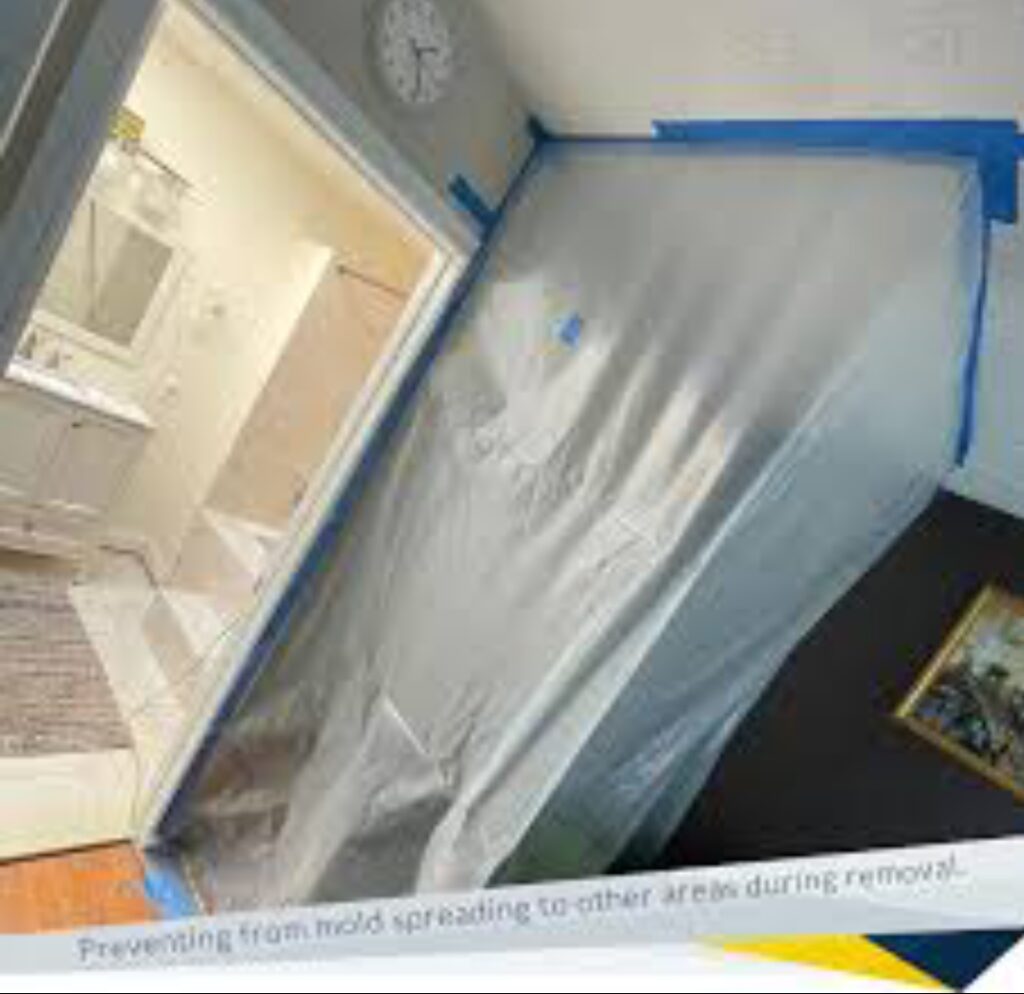
DIY attempts often add to the problem. Scrubbing or spraying mold without proper containment can release spores into the air, spreading contamination to previously unaffected areas.
Inspections after DIY efforts frequently reveal:
- Wider mold distribution
- Deeper contamination
- Increased remediation scope
What started as a small issue becomes more complex—and more expensive.
Another overlooked cost is damage to building materials. Mold breaks down organic materials over time. The longer mold is present, the more damage it causes.
Delayed remediation often results in:
- Weakened drywall
- Damaged insulation
- Warped or deteriorated wood
Early action can sometimes save materials that later must be removed.
Mold also affects indoor air quality, which often leads homeowners to make temporary fixes instead of addressing the source. Air fresheners, deodorizers, or extra cleaning may mask symptoms but allow mold to continue growing.
This cycle increases costs by:
- Delaying proper evaluation
- Allowing further spread
- Increasing remediation complexity
Addressing mold early stops this pattern.
Inspection data clearly shows that early remediation costs less. Homes that address mold soon after it’s discovered typically require:
- Smaller containment areas
- Less material removal
- Shorter project timelines
Homes that wait face larger projects with higher costs and longer disruptions.
Professional mold remediation focuses on removing mold safely and correcting moisture conditions so it doesn’t return. When done early, this process is controlled and efficient.
Ignoring mold removes this advantage and turns remediation into a reactive, more invasive process.
Homes in face constant humidity challenges that make mold problems easy to underestimate and costly to ignore.
👉 Contact us today to schedule a professional mold inspection and address mold early—before ignoring it costs you more.
