
Lessons From Real Inspections: Hidden Mold Insights for Homes in
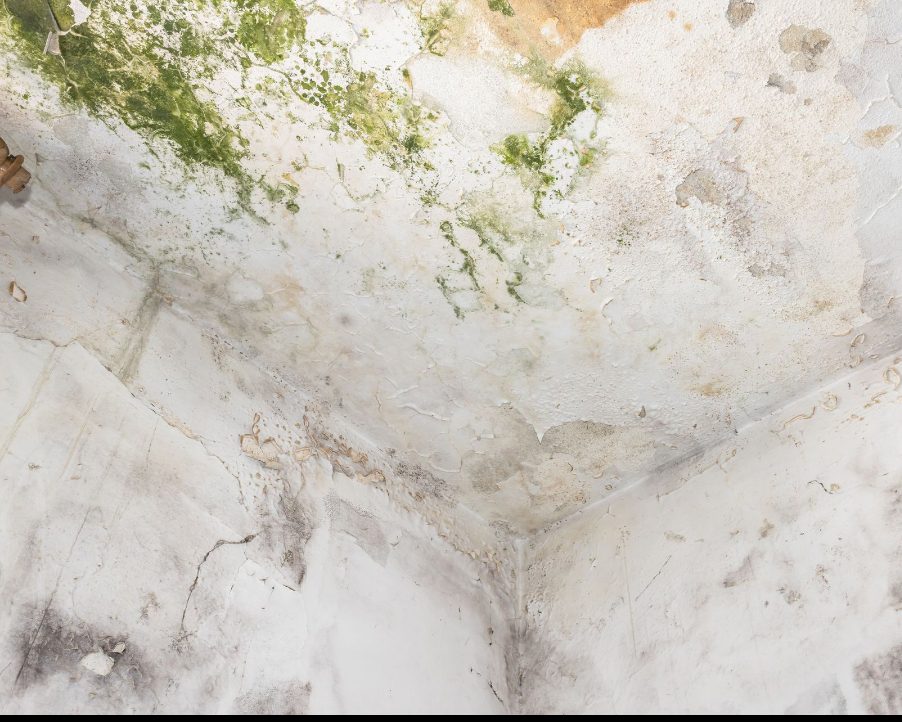
Hidden mold is one of the most common findings during real inspections in Plantation homes, and it’s also one of the reasons mold problems catch homeowners off guard. In many cases, the home looks clean, smells normal, and shows no obvious warning signs. Yet behind walls, under cabinets, or inside HVAC systems, mold can be actively growing for months—or even years.
What inspections consistently reveal is that hidden mold is far more common than visible mold. Florida’s humidity, combined with modern construction and constant air conditioning, creates ideal conditions for mold to grow quietly in places homeowners rarely check.
One of the biggest lessons from real inspections is where hidden mold actually forms. It’s almost never in the middle of a wall or out in the open. Mold favors areas where moisture collects and airflow is limited.
In Plantation homes, inspectors most often find hidden mold:
- Behind bathroom and kitchen drywall
- Under sinks with slow or intermittent leaks
- Inside wall cavities near plumbing lines
- Around AC air handlers and drain pans
- In attics with poor ventilation
These areas stay damp long enough for mold to grow without being noticed.
Another key inspection finding is that hidden mold usually starts small. A minor leak, condensation issue, or humidity problem may seem insignificant at first. Over time, however, moisture seeps into porous materials like drywall, wood, and insulation.
Once moisture is trapped:
- Materials dry slowly
- Mold spores activate
- Growth spreads beneath the surface
Because this happens out of sight, homeowners often don’t realize there’s a problem until mold becomes extensive.
Inspections also show that hidden mold often goes unnoticed because symptoms are subtle. Homeowners may not see mold, but they report:
- Occasional musty odors
- Air that feels stale or heavy
- Odors that come and go
- Discomfort that improves outside the home
These signs are often linked to mold hidden behind walls or inside HVAC systems.
HVAC systems are one of the most common places inspectors find hidden mold. Condensation forms naturally inside air handlers, and when drainage or airflow is poor, moisture lingers.
In Plantation homes, hidden HVAC mold is often found:
- Inside air handler cabinets
- On evaporator coils
- In insulated duct lining
- Near AC closets with limited airflow
Because HVAC systems circulate air throughout the home, hidden mold in these areas can affect multiple rooms.
Another lesson from inspections is that surface cleaning does not reveal hidden mold. Walls may look clean, cabinets may appear dry, and floors may feel solid—while mold grows just inches away.
This is why repeated cleaning often fails to solve mold problems. The visible surface is not the source.
Moisture is always the common denominator. Every hidden mold case in Plantation homes traces back to an unresolved moisture issue.
Common moisture sources include:
- High indoor humidity
- AC condensation and drain line problems
- Plumbing leaks inside walls
- Roof or window intrusion
Until moisture is corrected, hidden mold will continue to grow.
Inspections frequently uncover hidden mold after renovations begin. Homeowners often discover mold only when walls are opened or cabinets are removed.
This delayed discovery:
- Increases repair costs
- Delays projects
- Expands remediation scope
Early inspection can prevent these surprises.
Another important insight is that hidden mold doesn’t stay hidden forever. Over time, it spreads into adjacent materials and may eventually become visible—or begin affecting indoor air quality more noticeably.
The longer hidden mold is ignored:
- The larger the affected area becomes
- The more materials require removal
- The higher the overall cost
Early detection keeps problems contained.
Professional inspections focus on identifying hidden conditions rather than visible staining. Moisture detection tools, HVAC evaluations, and targeted inspections help locate mold before it spreads further.
This approach provides clarity without guesswork or fear-based assumptions.
Homes that address hidden mold early typically experience:
- Less disruption
- Lower remediation costs
- Improved indoor air quality
- Fewer recurring issues
Waiting allows mold to establish itself deeper in the structure.
Homes in face ongoing humidity and moisture challenges, making hidden mold a common issue when conditions are ignored.
👉 Contact us today to schedule a professional mold inspection and uncover hidden mold before it turns into a larger problem.
