
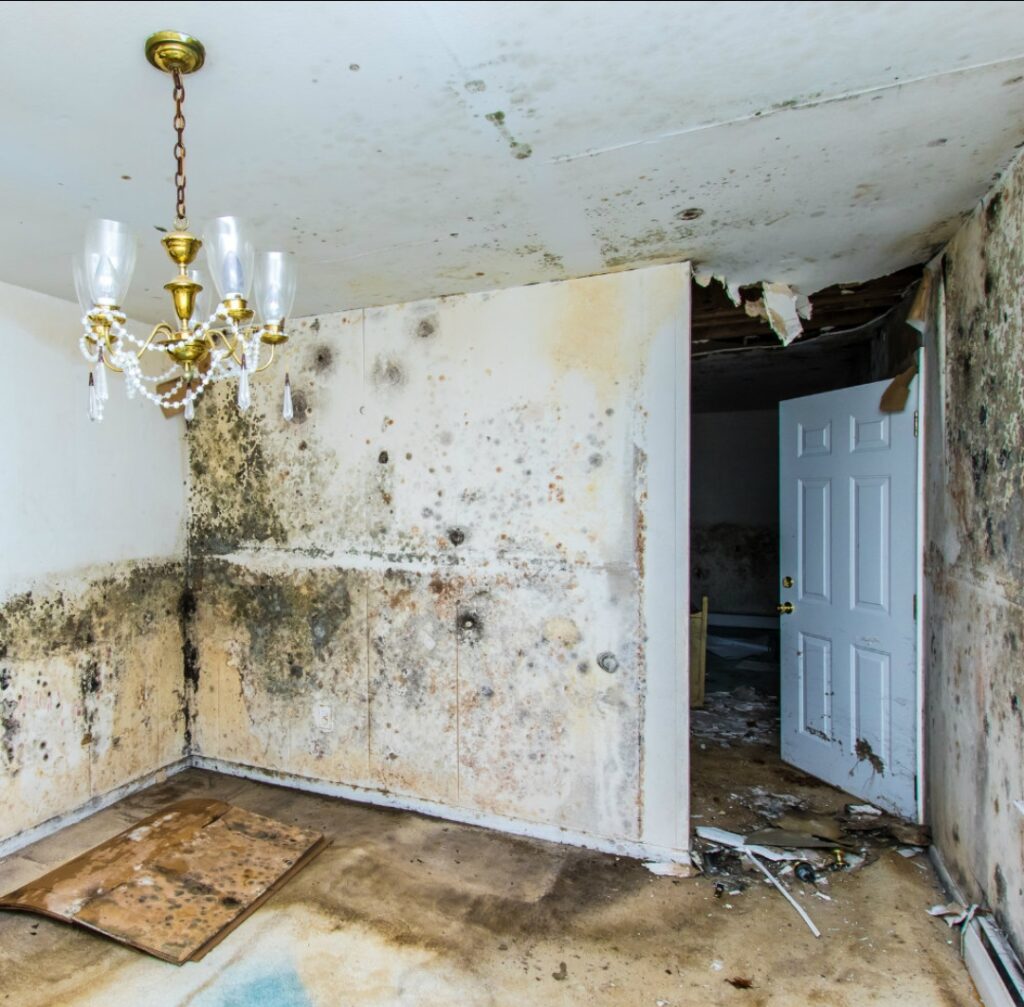
Health Effects of Long-Term Mold Exposure – What We See Inside Homes for Homes in
Long-term mold exposure is rarely obvious, and that’s what makes it so commonly overlooked in Hollywood homes. Most homeowners expect mold-related problems to show up suddenly or dramatically, but what we actually see during inspections tells a different story. The effects of mold exposure usually develop slowly and quietly, tied closely to indoor air quality and how long mold has been present inside the home.
In South Florida’s humid climate, mold exposure is rarely caused by a single visible spot. Instead, it’s most often linked to hidden mold growth that releases spores into the air over extended periods of time. Understanding what inspectors see inside homes helps homeowners recognize real risks without fear-based assumptions.
During inspections in Hollywood homes, mold exposure is almost always associated with mold growing out of sight. Mold spores are microscopic and easily become airborne, especially when HVAC systems are running.
Long-term exposure commonly comes from mold located:
- Behind drywall or ceilings
- Inside wall cavities
- Around HVAC air handlers and ductwork
- Under sinks or cabinets with slow leaks
Even when mold is not visible, exposure can still be ongoing.
One of the most common patterns we see is persistent indoor discomfort rather than sudden symptoms. Homeowners often report that they feel noticeably better outside the home but uncomfortable indoors.
Common complaints include:
- Ongoing nasal congestion or irritation
- Headaches or fatigue at home
- Eye or throat irritation
- A general feeling of stale or heavy air
These effects tend to develop gradually, making them easy to dismiss.
Another important insight from real inspections is that not everyone reacts the same way. It’s common for one household member to experience symptoms while others feel little or nothing at all.
Differences depend on:
- Individual sensitivity
- Length of exposure
- Amount of mold present
- Airflow patterns inside the home
The absence of symptoms does not mean mold is not affecting indoor air quality.
Indoor air quality plays a central role in long-term exposure. Mold releases spores and fragments that remain suspended longer in humid conditions. In Hollywood homes, high humidity allows these particles to circulate repeatedly instead of settling.
This often leads to:
- Persistent musty odors
- Air that feels uncomfortable or stale
- Symptoms that worsen over time
HVAC systems frequently amplify this effect by redistributing spores throughout the home.
A common issue we see is homeowners trying to manage symptoms rather than addressing the source. Extra cleaning, air fresheners, or frequent filter changes may offer temporary relief but do not stop mold exposure.
Exposure continues when:
- Mold remains hidden
- Moisture sources are unresolved
- HVAC systems keep circulating contaminated air
Without addressing these factors, indoor conditions don’t improve.
Past water damage is another frequent factor tied to long-term exposure. Even leaks that seemed minor or “fixed” can leave moisture trapped inside materials.
Over time:
- Mold develops in hidden areas
- Exposure continues unnoticed
- Symptoms gradually appear
This delayed connection is why long-term exposure is often misunderstood.
Real inspections do not support extreme fear-based claims. Long-term mold exposure is usually about chronic indoor air quality issues, not sudden medical emergencies. The real risk comes from ignoring moisture and mold conditions over time.
A practical approach focuses on:
- Identifying hidden mold
- Correcting moisture problems
- Improving indoor air quality
- Taking targeted action when needed
This protects both comfort and property without panic.
Professional inspections help clarify whether mold may be contributing to long-term exposure concerns. Inspections focus on moisture detection, hidden growth, and airflow patterns rather than assumptions.
In some cases, mold testing may be used to support findings and evaluate indoor air conditions.
Homes that address mold exposure early typically experience:
- Improved indoor comfort
- Better air quality
- Reduced recurrence of mold
- Lower long-term costs
Waiting allows exposure to continue and conditions to worsen.
Homes in face constant humidity challenges that make long-term mold exposure a real concern when moisture is ignored.
